From a family introduction to Reiki, through decades of learning and practice, to the creation of Reiki Grandmaster Levels 19 and 20.
By Dr Catherine W. Dunne, MSc.D., RGN (GPN), M.H.I.T., I.R.E.T.
A Journey That Began Long Before Certificates
My journey with Reiki began in a rather unconventional way.
It did not begin with an advertised weekend workshop, a formal training programme or a certificate presented at the end of a course.
It began within my own family.
In the early 1950s, my stepfather, who was originally from Ghana, received a sponsored opportunity to study medicine in Moscow. During his time there, he became acquainted with a Japanese medical student who introduced him to Reiki and taught him the practice.
Years later, my stepfather passed that knowledge on to me.
There were no elaborate discussions about lineage, registration numbers or professional associations. What mattered was the teaching itself, the practical experience and the understanding passed from one person to another.
I did not appreciate at the time how unusual this introduction would later appear within the increasingly formalised Western Reiki community.
For me, Reiki was already familiar long before I encountered the modern systems of training and certification.
Dublin, 1996: A Familiar Practice Under a Familiar Name
In 1996, while in Dublin, I met another Reiki practitioner who introduced me to the work of William Lee Rand.
She knew a Reiki Master in Dublin City who had trained under him.
As I became acquainted with the Reiki being taught within these more formally organised circles, I recognised much of what I had already learnt through my stepfather.
It was an interesting moment.
Here was a practice I had known through family teaching, now presented within a structured system of levels, attunements and documented lineages.
I was curious to learn more.
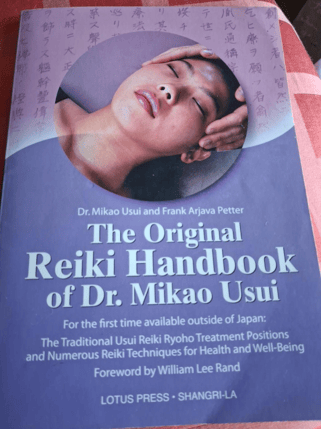
Over the following years, I continued studying Reiki and exploring its Japanese origins. Around the turn of the millennium, I became acquainted with The Original Reiki Handbook of Dr Mikao Usui, compiled by Frank Arjava Petter, and continued following the work of William Lee Rand.
I was particularly interested in traditional Japanese Reiki techniques, including Byosen.
Byosen: Listening Through the Hands
Byosen is a traditional Reiki practice involving attentive observation of sensations experienced through the hands during treatment.
Practitioners may describe sensations such as warmth, tingling, pulsation, heaviness or other changes in perception.
I had incorporated Byosen into my own Reiki practice from around 2000.
Recently, I came across a social media post presenting a step-by-step introduction to Byosen. I smiled to myself.
Here was a technique I had practised for approximately twenty-six years, appearing in my feed as an educational discovery!
Of course, techniques are continually introduced to new generations of practitioners. What is familiar to one person may be entirely new to another.
Nevertheless, it reminded me how much the public presentation of Reiki has changed over the years.
And it prompted me to reflect upon my own journey.
When Experience Was Not Enough: The Question of Lineage
As Reiki became increasingly organised within professional associations, formal qualifications and documented teaching lineages became important for registration.
This presented an interesting difficulty for someone with my background.
My original Reiki teaching had come through my stepfather, whose knowledge had been passed on by a Japanese medical student in Moscow decades earlier.
There was no documentary lineage available for me to produce.
That did not erase what I had learnt or the years I had spent practising. But it did mean that, to meet the requirements of professional registration, I needed recognised documentation.
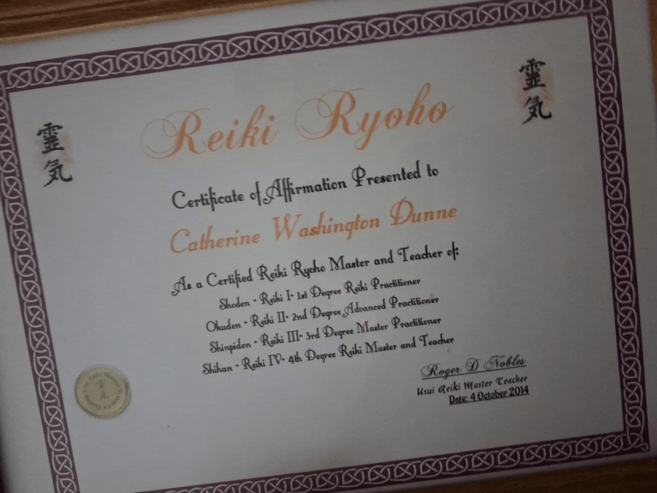
In 2014, I obtained Reiki Ryoho Master and Teacher certification through Roger D. Nobles.
My certificate, dated 4 December 2014, records the Shoden, Okuden, Shinpiden and Shihan stages of Reiki training.
I also became a registered member of the International Association of Reiki Professionals in November 2014.
The documentation fulfilled an administrative and professional purpose.
It was not the beginning of my Reiki journey.
That distinction has always mattered to me.
Certificates can document particular training and registration milestones. They cannot necessarily tell the whole story of how, when or from whom a person first learnt a practice.
The Reiki Grandmaster Series: Why Stop at Eighteen?
Over time, my studies extended into the Reiki Grandmaster Series.
For many years, the extended series I knew comprised eighteen levels.
It is important to distinguish these later Grandmaster teachings from the traditional Reiki Ryoho system associated with Mikao Usui. The extended levels were developed by subsequent practitioners and represent later interpretations and additions, rather than teachings documented as originating with Usui himself.
As I studied and practised, I found myself reflecting on an important question.
If the Grandmaster Series had developed through the experiences and contributions of practitioners, why should its development necessarily end at Level 18?
What made eighteen the final number?
For me, spiritual learning had never been a matter of reaching a particular rank and declaring the journey complete.
Experience continues. Understanding deepens. New perspectives emerge.
And sometimes, those experiences inspire us to share something with others.
Ho’oponopono: The Inspiration Behind Levels 19 and 20
One of the practices that profoundly influenced my thinking was Ho’oponopono.
Through studying its teachings on forgiveness, reconciliation, gratitude and personal reflection, I began considering how these principles might be incorporated into the extended Reiki Grandmaster tradition.
Two concepts stood out to me.
Forgiveness.
Gratitude.
Both are simple words, yet each can represent a lifetime of personal reflection.
Forgiveness does not necessarily mean forgetting what happened, excusing harmful behaviour or abandoning healthy boundaries.
For me, it concerns our relationship with what we have experienced and the possibility of no longer allowing past events to dominate our inner lives.
Gratitude, meanwhile, encourages us to recognise what has been received, what has been learnt and what continues to hold meaning.
Although gratitude already has a place within traditional Reiki philosophy, I wanted to explore these two principles more explicitly within the extended Grandmaster teachings.
And so I developed two additional levels.
Level 19 — Dai Yosha: The Great Forgiveness
I dedicated Level 19 to forgiveness.
Its purpose within my teaching was to encourage reflection on the emotional and spiritual significance of forgiveness, both towards others and towards ourselves.
Level 20 — Dai Kansha: The Great Gratitude
I dedicated Level 20 to gratitude.
For me, gratitude represented a fitting continuation of the journey: an opportunity to acknowledge our experiences, the people who have taught us, and the lessons we carry forward.
These levels were my own contribution to the modern Reiki Grandmaster Series, inspired by my personal experiences and my study of Ho’oponopono.
I was not claiming to add to Mikao Usui’s original teachings.
I was sharing something that had become meaningful within my own spiritual practice.
Not Everyone Agreed!
When I first introduced the idea of Levels 19 and 20, it was not universally welcomed.
I remember a conversation with fellow Reiki practitioner Jay Burrell.
Jay initially challenged the idea that someone could simply add further levels to the existing Grandmaster Series.
My response was straightforward:
Why not? How did the first eighteen levels come about?
My point was not that anyone should claim historical authority for newly developed teachings.
Rather, I believed that if the extended series had evolved through the experiences of practitioners, there was no obvious reason why that process had to stop at eighteen.
Interestingly, Jay subsequently became one of the first practitioners I personally initiated into Levels 19 and 20.
Looking back, I can smile about that exchange.
Sometimes a difference of opinion becomes the beginning of a worthwhile conversation.
And sometimes the person who initially questions an idea becomes one of the first to experience it!
Documenting My Contribution
On 8 February 2017, I registered my original work, Reiki Levels 19 & 20 Grandmaster Series, with the UK Copyright Service.
The registration listed me, Catherine W. Dunne, as the copyright owner.
For me, this was an important step in documenting the teaching material I had developed.
The certificate provides a dated record of the deposited work. It should not be confused with a government grant of copyright or with recognition that the material forms part of traditional Usui Reiki.
Over the years, I have seen references to Levels 19 and 20 appear within the wider Reiki community, sometimes with my name acknowledged as their creator.
It is an unusual feeling to encounter something that began as a personal revelation and discover that others have incorporated it into their own learning.
But perhaps that is part of what teaching is about.
We share what we have learnt, and others decide what meaning it holds for them.
More Than a Collection of Certificates
Over the decades, my treatment room has gradually filled with certificates, books, Japanese Reiki symbols, anatomical charts and reminders of the many subjects I have studied.
Some certificates remain on display. Others are rotated because there simply is not enough wall space!
Yet when I look back over my Reiki journey, the certificates are not what I remember most.
I remember the knowledge passed on by my stepfather.
I remember recognising familiar teachings when I encountered Reiki practitioners in Dublin.
I remember discovering more about Japanese Reiki traditions.
I remember the questions, conversations, occasional disagreements and wonderful people I have met along the way.
And I remember the moment I realised that forgiveness and gratitude deserved a particular place within the Grandmaster teaching framework I had come to know.
My professional background in nursing has also taught me the importance of distinguishing personal spiritual experience from established medical knowledge.
Reiki is a complementary practice, not a substitute for medical assessment or treatment. My reflections here concern its personal, philosophical and spiritual significance rather than claims of medically proven effects.
For me, these different areas of learning have encouraged a continuing curiosity about the human experience.
Beyond Reiki: The Evolution of My Healing Practice
As the years passed, my journey did not remain confined to Reiki.
My curiosity led me to explore and study numerous other approaches to energy healing and holistic wellbeing, including Daoist energy practices, chakra healing, crystal therapy, colour and sound vibrational therapies, acupressure, dowsing, Ho’oponopono and other complementary modalities.
Each offered a different perspective, a different understanding and another opportunity to broaden my experience.
Over time, I came to realise that I no longer regarded myself exclusively as a Reiki practitioner.
Today, I describe myself as an Energy Practitioner Therapist.
Rather than working within the boundaries of one particular healing system, I draw upon the knowledge, techniques and experiences I have accumulated over the years.
No two clients are alike. Their circumstances, preferences and reasons for seeking support differ, and so does my approach.
Sometimes Reiki may form part of a session. At other times, I may incorporate elements of other complementary practices, depending upon what feels appropriate for the individual at that particular moment.
I do not believe that every person requires the same approach simply because they have booked the same type of appointment.
For me, holistic practice has always been about recognising the individual rather than following a rigid formula.
My nursing background has also reinforced the importance of listening, observation, professional judgement and understanding the limits of complementary therapies.
And perhaps that is one of the greatest lessons my journey has taught me.
I do not need to choose between the different traditions I have studied. I can appreciate what each has contributed to my understanding while remaining mindful of the needs, choices and wellbeing of the person in front of me.
Reiki will always hold a special place in my life, particularly because of the family connection through which I first encountered it.
But today, it is one part of a much broader journey.
And that journey continues.
Final Reflections: The Journey Does Not End at a Number
When I introduced Levels 19 and 20, I was not seeking another title or a higher rank.
I was responding to something I had learnt.
The Grandmaster Series had long contained eighteen levels, but I did not believe that personal understanding must end simply because a teaching system had reached a particular number.
Forgiveness and gratitude had become meaningful principles within my own journey, and I wanted to share them.
Whether others choose to incorporate those teachings into their practice is entirely their decision.
What matters to me is the intention behind their creation.
After all these years, I continue to believe that learning should remain an open door.
We can respect tradition while recognising the difference between historical teachings and later personal contributions.
We can acknowledge our teachers while continuing to develop our own understanding.
And perhaps, above all, we can remember that no certificate, title or number can fully describe the experiences that shape a person’s journey.
My Reiki story began with knowledge passed from one generation to another.
My contribution of Levels 19 and 20 was simply another chapter in that continuing story.
And if I were to leave readers with two thoughts from that chapter, they would be these:
May we find the wisdom to forgive.
And may we never forget the importance of gratitude.
Catherine
CWD | 23 Oct 2026 | Ireland
Dr Catherine W. Dunne Holistic Healthcare Wexford Integrative · Mindful · Patient-Centred Co-Founder, Aumvedas Academy Creator of Reiki Grandmaster Levels 19 and 20
Author’s note: This article is a personal account of my experiences and contributions to the extended Reiki Grandmaster tradition. Historical family recollections are presented as they were passed down to me. The extended Grandmaster levels should not be confused with the original teachings of Mikao Usui.
About the Author
Dr Catherine W. Dunne, MSc.D., RGN, is a Registered General Nurse with over 38 years of clinical experience and an extensive background in complementary and holistic healthcare. She is the founder of Holistic Healthcare Wexford and co-founder of Aumvedas Academy.
Her journey with Reiki began through family teachings, long before formal training and professional registration became central features of Western Reiki practice. Over the decades, she has studied and practised numerous energy healing traditions, including traditional Japanese Reiki techniques, Daoist energy practices, chakra therapy, dowsing and Ho’oponopono.
In 2017, Catherine formally documented her original contribution to the extended Reiki Grandmaster Series: Level 19, Dai Yosha (The Great Forgiveness), and Level 20, Dai Kansha (The Great Gratitude).
Today, she describes herself as an Energy Practitioner Therapist, drawing upon her knowledge of different complementary modalities to provide an individualised approach to holistic wellbeing.
Based in County Wexford, Ireland, Catherine continues to combine her clinical nursing background with her lifelong interest in holistic education, personal development and energy healing.
Disclaimer
This article is a personal and historical reflection on the author’s Reiki journey, experiences and contributions to the extended Reiki Grandmaster Series.
Reiki and other energy healing practices are complementary approaches and are not substitutes for medical diagnosis, treatment or professional healthcare. References to energy, chakras and spiritual healing concepts reflect traditional and personal interpretations rather than established medical or scientific findings.
Readers should seek appropriate advice from qualified healthcare professionals regarding their individual health needs.
AI and Image Disclaimer
This article is based on the author’s personal experiences, recollections, original teaching materials and historical documentation.
Unless otherwise stated, the photographs of certificates, books and treatment-room interiors are from the author’s personal collection.
AI-assisted design tools have been used to create the article’s feature image and may be used to enhance visual presentation. Any AI-generated representations of historical documents are illustrative and should not be regarded as exact reproductions of the originals.
The personal history, experiences and educational perspectives presented in this article remain those of the author.
Part of the Holistic Healthcare Wexford Herbal Medicine Library
By Dr Catherine W. Dunne, MSc.D., RGN (GPN), M.H.I.T., I.R.E.T.
Introduction
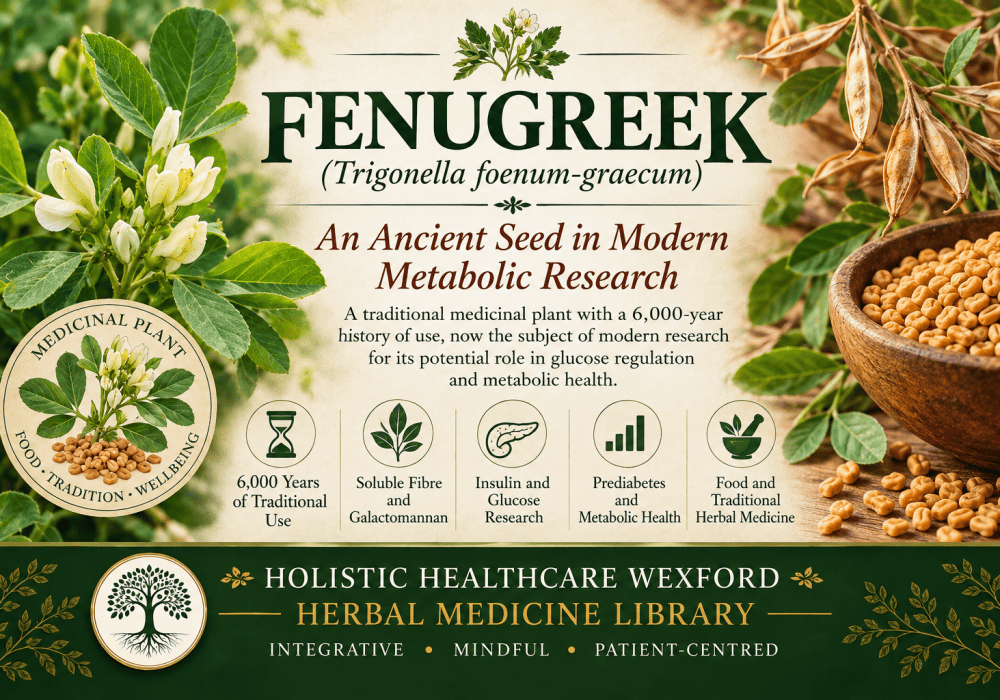
Fenugreek (Trigonella foenum-graecum) is far from being a newcomer to herbal medicine. Its medicinal use can be traced back approximately 6,000 years, making it one of the plants with a remarkably long history of human use.
Across different cultures, fenugreek has traditionally been used as a tonic and digestive remedy, as a laxative, for menstrual discomfort and menopausal symptoms, for kidney stones and to support milk production during breastfeeding.
Not all of these traditional applications have been confirmed by modern clinical research, but they demonstrate how extensively this small aromatic seed has featured in traditional healthcare.
Today, however, fenugreek is attracting attention for a very modern problem:
deteriorating glucose regulation and the development of type 2 diabetes.
Research has investigated its effects on blood glucose, insulin secretion, post-meal glucose and other metabolic parameters.
This raises an especially interesting question:
Could fenugreek have a useful supportive role before type 2 diabetes develops?
And what about women who previously experienced gestational diabetes and consequently remain at increased risk of developing type 2 diabetes later in life?
The answer is considerably more interesting — and more nuanced — than simply saying that fenugreek “lowers blood sugar”.
Botanical Profile
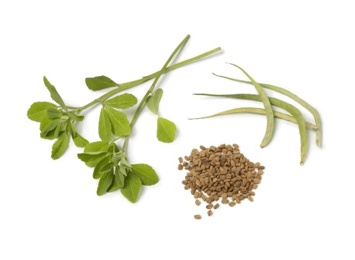
Scientific name:Trigonella foenum-graecum Family: Fabaceae Common names: Fenugreek, Greek hay, Greek clover Plant type: Annual leguminous herb Part primarily used medicinally: Seed Traditional uses: Digestive support, nourishment, metabolic support, menstrual complaints and lactation support
Fenugreek belongs to the same botanical family as peas, beans and clovers.
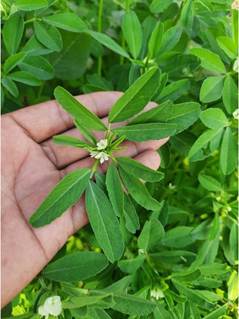
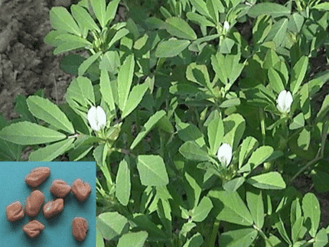
Its leaves are characteristically trifoliate, consisting of three leaflets, while its small pale flowers reveal its relationship to other members of the pea family.
For glucose metabolism, most research has concentrated on the seed.
Fenugreek seeds contain several potentially important constituents, including:
soluble fibre and mucilage
galactomannan
saponins
polyphenols
trigonelline
and the unusual amino-acid derivative 4-hydroxyisoleucine (4-HIL).
Rather than acting through one single pathway, these constituents may influence several different components of glucose metabolism.
First, What Does Insulin Actually Do?
When we eat carbohydrate-containing food, digestion breaks much of that carbohydrate down into glucose.
Glucose enters the bloodstream and the pancreas responds by releasing insulin.
Insulin acts rather like a metabolic key, signalling tissues – particularly muscle and adipose tissue – to take glucose from the circulation and either use it for energy or store it.
The liver is also intimately involved.
During fasting, the liver releases glucose to maintain an adequate supply for the body. Following a meal, insulin helps regulate this hepatic glucose production.
When this system works efficiently, blood glucose rises after eating and subsequently returns towards its normal range.
But with insulin resistance, tissues become less responsive to insulin.
Initially, the pancreas compensates by producing more insulin.
For some time this increased production may successfully maintain glucose levels. Eventually, however, pancreatic beta cells may no longer compensate sufficiently.
Blood glucose begins to rise.
This is one of the pathways through which prediabetes may eventually progress to type 2 diabetes.
And it is precisely this metabolic territory that makes fenugreek particularly interesting.
Fenugreek Does Not Contain Insulin
This distinction is important.
Fenugreek is not a herbal form of insulin.
Nor can it replace insulin where insulin therapy is medically required.
Instead, constituents within fenugreek appear capable of influencing several processes involved in glucose regulation.
These may include:
carbohydrate digestion and absorption
post-meal glucose excursions
pancreatic insulin secretion
glucose utilisation
and hepatic glucose metabolism.
Understanding these mechanisms helps explain why fenugreek has attracted considerable research interest in diabetes and prediabetes.
1. Fenugreek May Slow Glucose Absorption
Fenugreek seed contains substantial amounts of soluble fibre.
When the seeds are exposed to water, this fibre absorbs fluid and produces a distinctly mucilaginous consistency.
Anyone who has soaked fenugreek seeds overnight will recognise it immediately.
Within the digestive tract, soluble fibre can influence the rate at which carbohydrate is digested and glucose absorbed.
Rather than glucose entering the circulation very rapidly after a meal, absorption may become more gradual.
we may see a more gradual glucose excursion after eating.
This is particularly interesting because deterioration in post-prandial glucose regulation can be an important feature of developing dysglycaemia.
And importantly, this effect is not dependent upon extracting some exotic compound from the plant.
The physical properties of the whole seed itself may be part of its therapeutic story.
2. The Fascinating 4-Hydroxyisoleucine Connection
One of fenugreek’s more unusual constituents is 4-hydroxyisoleucine, usually abbreviated to 4-HIL.
Experimental research suggests that 4-HIL can enhance insulin secretion from pancreatic beta cells.
Particularly interesting is evidence suggesting that this insulinotropic action may be glucose-dependent — becoming more relevant when glucose concentrations are elevated.
That does not mean that eating fenugreek simply forces the pancreas to continuously produce insulin.
And laboratory experiments involving isolated 4-HIL should not automatically be translated into claims about what a spoonful of fenugreek seed will accomplish in a person.
Nevertheless, it provides a biologically plausible mechanism for some of the metabolic effects being investigated clinically.
3. What About Insulin Resistance?
This is where we need to be precise.
Insulin resistance is fundamental to the development of type 2 diabetes, and several mechanisms associated with fenugreek have led researchers to investigate whether it might improve insulin sensitivity.
However, the clinical evidence is not yet sufficiently consistent to state simply that fenugreek reverses insulin resistance.
A 2023 systematic review and meta-analysis of randomised controlled trials found significant improvements in fasting blood glucose, two-hour plasma glucose and HbA1c with fenugreek, but did not find a statistically significant reduction in HOMA-IR, a commonly used marker of insulin resistance.
That distinction matters.
Fenugreek appears to influence glucose regulation.
Exactly how much of that effect results from improved insulin sensitivity, altered glucose absorption, changes in insulin secretion or other mechanisms remains an active area of research.
4. Don’t Forget the Liver
When people discuss diabetes, attention frequently centres almost entirely on the pancreas.
But the liver is a major participant in glucose regulation.
During fasting, the liver releases glucose to maintain an adequate circulating supply.
Insulin normally helps suppress unnecessary hepatic glucose production after eating.
When insulin resistance develops, this regulation can become impaired and the liver may continue contributing glucose to the circulation when it is not required.
Experimental research suggests that fenugreek constituents may influence enzymes involved in carbohydrate and hepatic glucose metabolism.
This represents another possible component of fenugreek’s overall metabolic effect.
Where Does Prediabetes Fit Into This?
This is perhaps the most interesting part of the fenugreek story.
Prediabetes is not simply “a little bit of diabetes”.
It represents a period in which glucose regulation has deteriorated but diagnostic criteria for diabetes have not yet been reached.
In Ireland, an HbA1c of 42–47 mmol/mol is generally considered within the prediabetes or high-risk range.
At this stage, metabolic abnormalities may already be present, including impaired glucose tolerance, altered post-meal glucose handling and varying degrees of insulin resistance.
But importantly:
there is still an opportunity to intervene.
Lifestyle intervention remains the foundation of diabetes prevention.
That includes appropriate nutrition, regular physical activity, weight management where relevant, good sleep, smoking cessation and management of cardiovascular risk factors.
Fenugreek should never be presented as a substitute for these measures.
However, whether fenugreek might complement them is a legitimate and increasingly interesting research question.
What Does the Research Say About Fenugreek and Prediabetes?
A particularly interesting three-year controlled study investigated fenugreek specifically in 140 men and women aged 30–70 years with prediabetes.
Participants in the intervention group received:
5 g fenugreek seed powder twice daily before meals
for a total of:
10 g per day.
Participants were monitored every three months over the three-year study.
The fenugreek group experienced a significantly lower progression to type 2 diabetes than the control group and also showed improvements in fasting and post-prandial glucose.
This is fascinating research.
But one study – even a three-year study – does not establish fenugreek as a proven preventative treatment for type 2 diabetes.
The wider evidence is encouraging but still evolving.
A 2023 systematic review and meta-analysis examining randomised controlled trials involving people with type 2 diabetes and prediabetes included 10 studies and 706 participants.
Overall, fenugreek significantly reduced:
fasting blood glucose
two-hour plasma glucose
and
HbA1c.
However, study preparations, populations and methodologies differed considerably.
The US National Center for Complementary and Integrative Health (NCCIH) therefore takes an appropriately cautious position: research suggests that fenugreek may lower blood glucose, particularly in people with type 2 diabetes, but there is still insufficient high-quality evidence to reach firm therapeutic conclusions.
That is probably the fairest interpretation of the evidence at present:
promising but not proven.
Could Fenugreek Help Prevent Prediabetes Progressing to Type 2 Diabetes?
Potentially, but we need to choose our language carefully.
The long-term prediabetes study is particularly interesting because intervention occurred before established type 2 diabetes developed.
Physiologically, that makes sense.
If post-meal glucose excursions can be moderated and overall glucose handling improved while endogenous pancreatic function remains relatively preserved, there may be an opportunity to influence the metabolic trajectory.
But fenugreek should be viewed as a possible adjunct to established diabetes-prevention strategies, not a replacement for them.
A spoonful of fenugreek does not cancel out inactivity, smoking, poor nutrition, obesity or other metabolic risk factors.
Herbal medicine works best when we look at the whole person rather than the herb in isolation.
What About Women Who Have Had Gestational Diabetes?
This is another important group — but the clinical pathway is different.
Gestational diabetes mellitus (GDM) develops during pregnancy, when profound hormonal and metabolic changes increase insulin resistance.
After delivery, pregnancy-related insulin resistance can fall dramatically.
Consequently, glucose levels frequently improve after birth.
However, experiencing GDM identifies a woman as being at increased future risk of developing type 2 diabetes.
This does not mean that every woman who has experienced GDM remains diabetic.
It means that ongoing metabolic surveillance matters.
The Irish Post-GDM Pathway
In Ireland, the early postpartum assessment following GDM takes place through the appropriate hospital/community pathway.
The HSE Diabetes in Pregnancy Model of Care recommends an oral glucose tolerance test (OGTT) 6–12 weeks following delivery, completed in the local hospital or community setting.
A negative OGTT indicates that the woman no longer has diabetes, but importantly, her future risk remains elevated.
The HSE pathway subsequently recommends:
fasting blood glucose/HbA1c at one year following birth
and thereafter:
FBG/HbA1c annual for 5 years according to individual risk factors.
This creates an important continuum between maternity services and Primary Care:
GDM during pregnancy
↓
Postpartum OGTT through hospital/community services
↓
Diabetes excluded
↓
Ongoing Primary Care surveillance
↓
Periodic FBG/HbA1c
For many women everything will remain completely normal.
For others, however, glucose regulation may gradually begin to deteriorate years later.
Previous GDM + Later Prediabetes
This is where our fenugreek discussion becomes relevant again.
Imagine a woman who experienced GDM.
Her postpartum OGTT was negative.
She subsequently returned to Primary Care follow-up.
Several years later, routine blood testing shows that her HbA1c has entered the prediabetes range.
We are no longer discussing the treatment of gestational diabetes.
We are discussing a woman with a recognised risk factor for type 2 diabetes who now also has biochemical evidence of deteriorating glucose regulation.
She has effectively entered our prediabetes conversation.
Could fenugreek have a supportive role as one component of a broader metabolic-health programme?
Potentially.
But it would sit alongside lifestyle intervention, weight management where appropriate, cardiovascular risk assessment and continued biochemical monitoring.
Her previous GDM history tells us that her metabolic trajectory deserves particular attention.
Fenugreek During Pregnancy Is Different
Nothing in this article should be interpreted as recommending therapeutic fenugreek for gestational diabetes during pregnancy.
Food quantities and medicinal quantities are not interchangeable.
Current safety guidance advises against fenugreek in quantities greater than those normally consumed as food during pregnancy.
Gestational diabetes requires appropriate obstetric and diabetes-team management.
What About Breastfeeding?
Fenugreek has a long traditional history as a galactagogue — a substance used to promote breast-milk production.
However, modern evidence for this effect is mixed.
More importantly, there remains limited information about the safety of consuming fenugreek in amounts greater than normal food quantities during breastfeeding.
Normal culinary consumption is therefore quite different from taking substantial quantities of powdered seed or concentrated extracts every day.
Recently postpartum women should not automatically begin therapeutic quantities of fenugreek simply because they previously experienced GDM.
Individual glucose status, medication, breastfeeding and the wider clinical picture should all be considered.
Fenugreek and Established Type 2 Diabetes
Fenugreek also remains interesting once type 2 diabetes has developed, but medication becomes increasingly important.
Someone with type 2 diabetes may already be taking one or several glucose-lowering medications.
Introducing therapeutic quantities of something capable of influencing glucose regulation therefore deserves appropriate monitoring.
Fenugreek should never be used as justification for independently reducing or discontinuing prescribed diabetes medication.
Fenugreek and Insulin
This deserves particular attention.
If someone using insulin begins consuming substantial therapeutic quantities of fenugreek and their glucose response changes, their established insulin regimen could potentially produce a greater glucose-lowering effect than previously.
The concern is hypoglycaemia.
That does not mean somebody using insulin can never eat fenugreek.
It means we need to distinguish between:
fenugreek used as an ordinary culinary spice
and
fenugreek consumed therapeutically every day as substantial quantities of seed, powder or concentrated extract.
The latter warrants considerably greater attention to glucose monitoring.
Food, Whole Seed and Extract Are Not the Same Thing
This principle is extremely important in herbal medicine.
A sprinkle of fenugreek used while cooking is not pharmacologically equivalent to 5 or 10 grams of seed powder taken every day.
Neither is necessarily equivalent to a commercial concentrated extract.
Whenever we discuss the potential interaction between a medicinal plant and medication, we therefore need to ask:
What preparation?
How much?
How frequently?
What medication is the person taking?
What are their glucose readings and HbA1c doing?
Without these questions, statements such as “fenugreek lowers blood sugar” tell us surprisingly little.
How Can Fenugreek Seeds Be Prepared and Consumed?
After all the discussion about glucose, insulin and clinical research, we arrive at the practical question:
What do we actually do with the seeds?
Fenugreek does not necessarily need to come from a capsule or concentrated supplement.
Whole fenugreek seed is inexpensive, stores well and can be incorporated into the diet in several simple ways.
For metabolic use, I particularly favour methods that allow us to consume the whole seed and therefore retain its naturally occurring fibre.
Soaked Fenugreek Seeds
One of the simplest methods is soaking the whole seeds overnight.
Place the seeds into a small glass or bowl and cover them generously with water.
Allow them to soak for approximately 8–12 hours.
By morning they will have softened and developed a slightly slippery or mucilaginous coating.
That is normal.
Indeed, that mucilage is one of the reasons the whole seed is so interesting.
The softened seeds can then be chewed thoroughly and eaten, preferably with or shortly before a meal.
The soaking liquid can also be consumed if desired and well tolerated.
For someone completely new to fenugreek, beginning with a smaller quantity rather than immediately consuming a substantial amount allows gastrointestinal tolerance to be established.
Ground Fenugreek Seed
Fenugreek seeds are extremely hard when dry.
They can therefore be freshly ground in a spice grinder or using a mortar and pestle.
Ground fenugreek can then be incorporated into everyday foods such as:
porridge
overnight oats
natural yoghurt
soups
stews
curries
vegetable dishes
savoury breads.
Fenugreek has a distinctive aromatic and slightly bitter flavour, so some people will find it easier to incorporate into savoury meals.
Grinding only the amount required for a short period also helps preserve the characteristic aromatic constituents of the seed.
What About 5 g Once or Twice Daily?
This is where it is important to distinguish research dosing from individual recommendations.
The three-year prediabetes study discussed earlier used:
5 g of fenugreek seed powder twice daily before meals — 10 g per day in total.
That was the study protocol.
It should not be interpreted as a universal dose for everybody with prediabetes.
For someone introducing fenugreek as a food-based adjunct, a more cautious approach may be to begin with a smaller quantity and establish gastrointestinal tolerance first.
For example, up to approximately 5 g once daily may be introduced initially before considering larger quantities.
If well tolerated, the research protocol provides useful context for why 5 g twice daily is sometimes discussed in relation to prediabetes.
However, individual circumstances matter.
Fenugreek’s substantial fibre content means that suddenly consuming large quantities may result in bloating, wind, diarrhoea or other gastrointestinal discomfort.
And anyone taking glucose-lowering medication — particularly insulin or medicines capable of producing hypoglycaemia — should not simply introduce therapeutic quantities without appropriate clinical consideration and glucose monitoring.
What About Fenugreek Tea?
Fenugreek seeds can certainly be infused or gently decocted in water.
This remains a traditional and perfectly reasonable way of consuming fenugreek.
However, when my particular interest is prediabetes and glucose regulation, I favour actually consuming the whole or ground seed.
Why?
Because the fibre itself appears to be part of the story.
If we prepare a tea and subsequently discard the seeds, we are not consuming all of the fibre naturally present within them.
For this particular purpose, the simplest preparation may therefore also be one of the most logical:
eat the seed.
What About a Fenugreek Tincture?
Fenugreek can also be prepared as an alcohol-based herbal extract.
However, once again, a tincture and a whole seed preparation are not physiologically identical.
Alcohol can extract many plant constituents very effectively.
What it cannot reproduce is the physical effect of consuming several grams of soluble dietary fibre.
Therefore, although a fenugreek tincture may have applications within herbal practice, it would not be my first choice when the specific objective is the metabolic application discussed in this article.
For that purpose, I prefer the whole seed.
A Simple Practical Approach
For an adult wishing to incorporate fenugreek seed into an otherwise healthy diet, the principle is straightforward:
Start low → establish tolerance → consume regularly → preferably take with or shortly before a meal.
Whole seeds can be soaked overnight.
Alternatively, they can be freshly ground and incorporated into food.
Research involving people with prediabetes has used 5 g twice daily before meals, but that remains a research protocol rather than a universal prescription.
And remember that fenugreek should complement the foundations of metabolic health — nutritious food, regular physical activity, appropriate weight management, adequate sleep and appropriate clinical surveillance — rather than being expected to compensate for their absence.
Catherine’s Herbal Notes
Harvest season: Fenugreek seed is harvested once the seed pods have matured and dried.
Parts used: Primarily the seeds when considering metabolic applications.
Favourite preparation: For the particular purpose of supporting glucose regulation, I favour the whole seed — soaked overnight or freshly ground and incorporated into food. This retains the soluble fibre naturally present within the seed.
Growing location: Although fenugreek can be grown as an annual herb in Ireland, good-quality dried seeds are readily available and, for my own purposes, I am quite content to buy the seeds rather than surrender another corner of my medicinal herb garden to an enthusiastic annual!
Personal observation: Soaking fenugreek makes its mucilaginous nature immediately apparent. To me, this is an excellent reminder that medicinal plants do not work exclusively through isolated chemical constituents. Sometimes the physical characteristics of the whole plant material — in this case its fibre — are themselves part of the therapeutic picture.
From a clinical perspective, I find fenugreek particularly interesting in the earlier metabolic window: the patient whose HbA1c is beginning to rise, someone with established prediabetes, or a woman with previous GDM whose later Primary Care surveillance begins to demonstrate deteriorating glucose regulation.
These are precisely the situations in which prevention deserves our attention.
Final Thoughts
Fenugreek is not insulin. It is not a cure for diabetes. And it should never be presented as an alternative to appropriate diabetes care. But neither should a medicinal seed with approximately 6,000 years of traditional use, biologically plausible mechanisms and an expanding body of clinical research simply be dismissed.
Fenugreek appears capable of influencing several components of glucose regulation. Clinical research has reported effects on fasting glucose, post-prandial glucose and HbA1c, while laboratory research continues to investigate mechanisms involving carbohydrate absorption, insulin secretion and glucose metabolism.
That makes its possible role in prediabetes particularly interesting. Prediabetes gives us something enormously valuable: time to intervene.
Likewise, a history of gestational diabetes provides an opportunity for continued surveillance and early intervention should glucose regulation begin deteriorating later in life.
The sensible question therefore isn’t: “Can fenugreek replace diabetes medication?” It cannot.
A much more useful question is: “Could fenugreek, appropriately used and monitored, form one small part of a broader strategy aimed at supporting metabolic health before type 2 diabetes becomes established?”
Current research suggests that question deserves further investigation.
And that is exactly where good integrative healthcare belongs … bringing together traditional knowledge, modern research, clinical monitoring and common sense.
I hope this has inspired you to look a little more closely at the humble fenugreek seed — not simply as a familiar culinary spice, but as a medicinal plant with thousands of years of traditional use and an increasingly interesting place in modern metabolic research.
Herbal medicine continually reminds us that some of the most fascinating plants do not need to be rare or exotic. Sometimes they are sitting quietly in our kitchen cupboards, waiting for us to understand them a little better.
Look after your body, and it will help look after you.
Gaddam A, Galla C, Thummisetti S, et al. Role of fenugreek in the prevention of type 2 diabetes mellitus in prediabetes. Journal of Diabetes & Metabolic Disorders. 2015;14:74. View study — PubMed
Kim J, Noh W, Kim A, Choi Y, Kim Y-S. The effect of fenugreek in type 2 diabetes and prediabetes: a systematic review and meta-analysis of randomized controlled trials. International Journal of Molecular Sciences. 2023;24(18):13999. Read full paper — PubMed Central
Sauvaire Y, Petit P, Broca C, et al. 4-Hydroxyisoleucine: a novel amino acid potentiator of insulin secretion. Diabetes. 1998;47(2):206–210. View paper — Diabetes
Broca C, Gross R, Petit P, et al. 4-Hydroxyisoleucine: experimental evidence of its insulinotropic and antidiabetic properties. American Journal of Physiology – Endocrinology and Metabolism. 1999;277(4):E617–E623. View paper — American Physiological Society
National Center for Complementary and Integrative Health. Fenugreek: Usefulness and Safety. National Institutes of Health. NCCIH — Fenugreek
National Library of Medicine. Fenugreek. Drugs and Lactation Database (LactMed®). LactMed — Fenugreek
This article is provided for educational purposes and does not replace individual medical advice.
Fenugreek is generally considered safe when consumed in normal food quantities, but larger quantities can cause gastrointestinal symptoms and may produce excessive lowering of blood glucose in some circumstances.
People taking insulin or other glucose-lowering medication should discuss therapeutic fenugreek supplementation with an appropriately qualified healthcare professional and monitor glucose appropriately.
Fenugreek in quantities greater than those normally found in food should not be used during pregnancy.
Safety information regarding therapeutic quantities during breastfeeding remains limited.
Anyone with an allergy to fenugreek or potentially related legumes should exercise appropriate caution.
Prescribed diabetes medication, including insulin, should never be stopped or independently adjusted because fenugreek or another herbal preparation has been introduced.
About the Author
Dr Catherine W. Dunne MSc.D. is a Registered General Nurse with over 37 years of clinical experience in primary care in Ireland. Alongside her work in General Practice Nursing, she is the founder of Holistic Healthcare Wexford and co-founder of Aumvedas Academy.
With a background that bridges conventional medicine and holistic practice, Catherine has a particular interest in the area where patients are often told “everything is normal,” yet still feel unwell. Her work focuses on helping people understand what their body is communicating, especially in relation to energy, stress, metabolic function, and recovery.
Through a combination of clinical knowledge and holistic support, she works with individuals to restore balance, improve resilience, and support long-term wellbeing.
Based in Wexford, Ireland.
Disclaimer
This article is for informational and educational purposes only and is not intended as medical advice. It does not replace consultation with a qualified healthcare professional. Patients should always seek appropriate medical guidance regarding their individual health needs and before making changes to treatment or care.
AI-Disclaimer: About the images: Unless otherwise stated, the photographs used throughout this library are the author’s own. AI-assisted design tools may be used to create educational layouts, improve presentation, and incorporate Holistic Healthcare Wexford branding. The botanical content and educational purpose remain those of the author.
Part of the Holistic Healthcare Wexford Herbal Medicine Library
By Dr Catherine W. Dunne, MSc.D., RGN (GPN), M.H.I.T., I.R.E.T.
Introduction
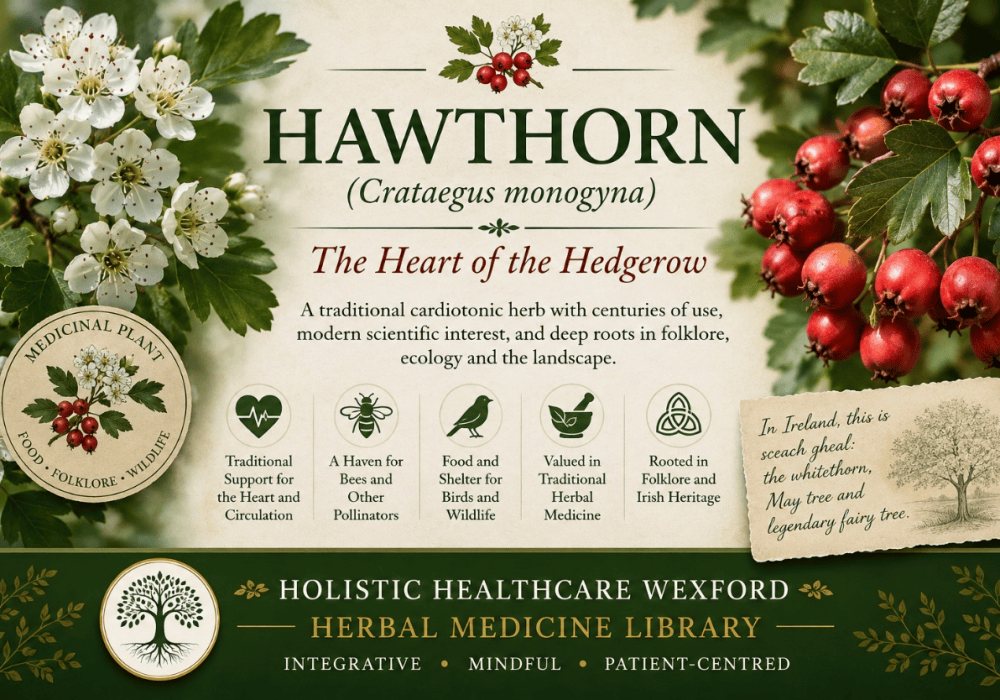
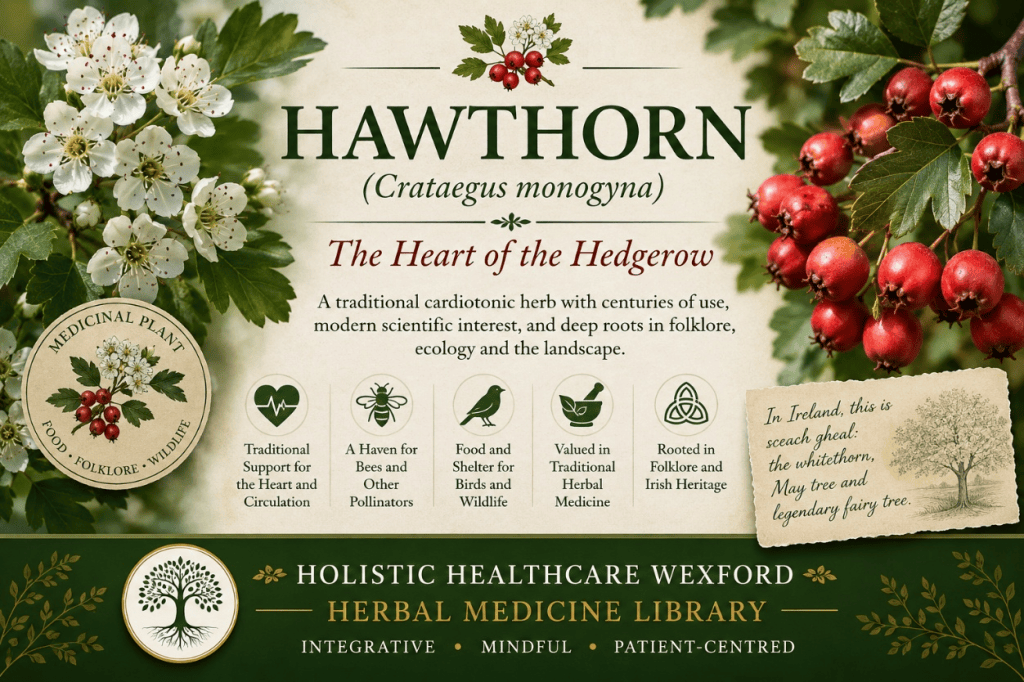
Few medicinal plants are as deeply rooted in both the landscape and traditional herbal medicine as Hawthorn.
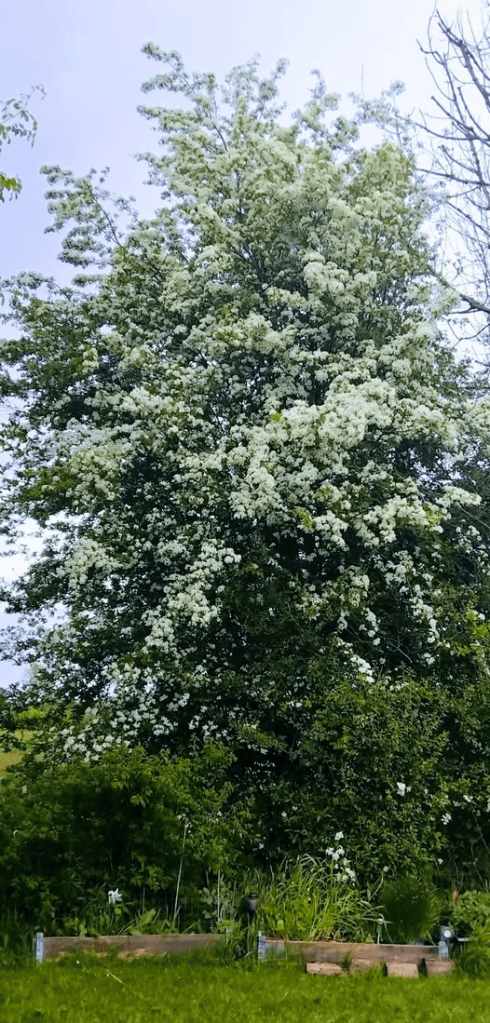
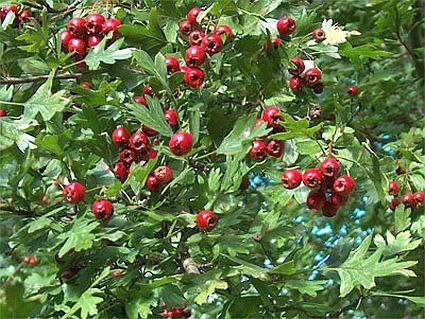
Across Ireland, Crataegus monogyna forms part of the familiar architecture of the countryside. It grows through old hedgerows, along field boundaries and woodland margins, beside lanes and around farms. In May, its branches become covered with masses of creamy-white blossom; by autumn, the same tree carries clusters of deep red fruits known as haws.
It would be easy to overlook Hawthorn simply because it is so familiar.
Yet behind this ordinary hedgerow tree lies an extraordinary medicinal history.
Hawthorn has become particularly associated with the heart and circulation and is now one of the better-known cardiovascular plants within European herbal medicine. Its leaves, flowers and berries contain a complex mixture of flavonoids, oligomeric procyanidins and other phytochemicals that have attracted considerable scientific interest.
But Hawthorn cannot be understood through pharmacology alone.
In Ireland, this is also sceach gheal: the whitethorn, May tree and legendary fairy tree. Solitary Hawthorns have traditionally been treated with particular respect, and old specimens can still be found standing alone in fields where generations of farmers chose not to disturb them.
For wildlife, Hawthorn is equally valuable. Its spring blossom provides food for pollinating insects, its dense thorny growth offers shelter and nesting habitat, and its autumn fruits provide an important food source for birds.
Medicinal plant, food plant, wildlife habitat, ancient boundary tree and bearer of centuries of folklore, Hawthorn deserves considerably more than the simple description:
Common names: Hawthorn, Common Hawthorn, Whitethorn, May, May Tree, May Blossom, Quickthorn
Irish name:Sceach gheal
Plant type: Deciduous thorny shrub or small tree
Native range: Europe, north-western Africa and western Asia; introduced and naturalised in other temperate regions
Irish distribution: Widespread and extremely common throughout Ireland, particularly in hedgerows, field boundaries, scrub, woodland margins and roadsides
Flowering season: Usually April to June, with May traditionally regarded as the principal flowering period
Fruit: Small red fruits known as haws, generally ripening from late summer into autumn
Parts used medicinally: Leaves, flowers, flowering tops and ripe fruits
Main medicinal species:Crataegus monogyna and Crataegus laevigata are among the principal European Hawthorn species used medicinally
Getting to Know Hawthorn
Hawthorn belongs to the Rosaceae, the rose family, placing it among a remarkably diverse group of plants that also includes roses, apples, pears, cherries, plums, strawberries and raspberries.
It usually grows as a densely branched shrub or small tree, although an old Hawthorn left undisturbed can develop into a substantial and beautifully shaped tree.
Its ability to tolerate pruning, wind and exposed conditions, together with its dense growth and sharp thorns, made Hawthorn particularly valuable as a hedging plant. For generations it has been used to create living field boundaries capable of containing livestock while simultaneously providing shelter from the weather.
The bark of younger branches is generally smoother and brownish, becoming greyer, rougher and more fissured as the tree ages.
The branches bear sharp thorns, a feature that should never be forgotten when harvesting. Hawthorn may be generous with its medicine, but it does occasionally remind the enthusiastic herbalist to mind her fingers.
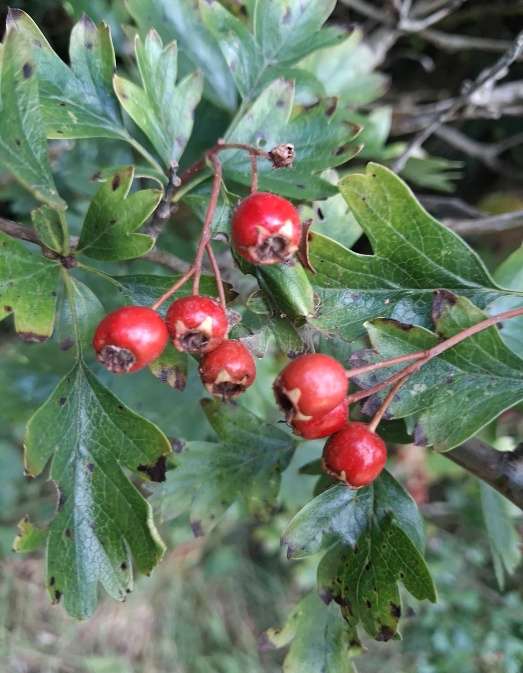
The Leaves The leaves of Crataegus monogyna are alternate and characteristically divided into several deep lobes.
Young spring leaves are fresh, soft and bright green, becoming firmer and darker as the season progresses.
The depth of these lobes is one useful feature when distinguishing Common Hawthorn from the closely related Midland Hawthorn, Crataegus laevigata.
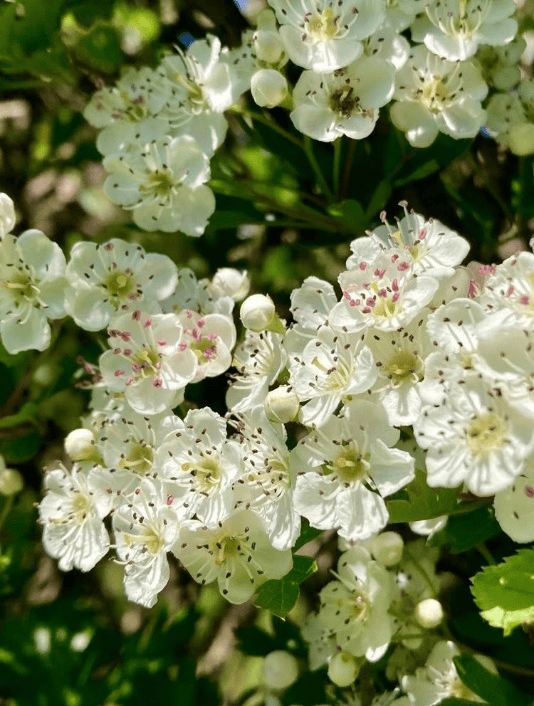
The Flowers Hawthorn produces clusters of small, usually white flowers, each typically consisting of five petals surrounding numerous stamens.
When a mature Hawthorn flowers heavily, the effect can be spectacular. Entire sections of hedgerow appear to turn white, and on warm days the blossom attracts a constant movement of insects.
The scent is unmistakable.
Some people describe Hawthorn blossom as sweet, rich and almost almond-like. Others find its heavier notes considerably less appealing. The distinctive fragrance comes from a complex mixture of volatile compounds and has contributed to some interesting folklore surrounding bringing Hawthorn blossom indoors.
Botanically, the centre of the flower also gives us an important identification clue.
Crataegus monogyna usually possesses one style.
This characteristic is reflected in its name: monogyna refers to the single female reproductive structure typically present in the flower.
The Haws After pollination, the flowers gradually develop into the familiar Hawthorn fruits.
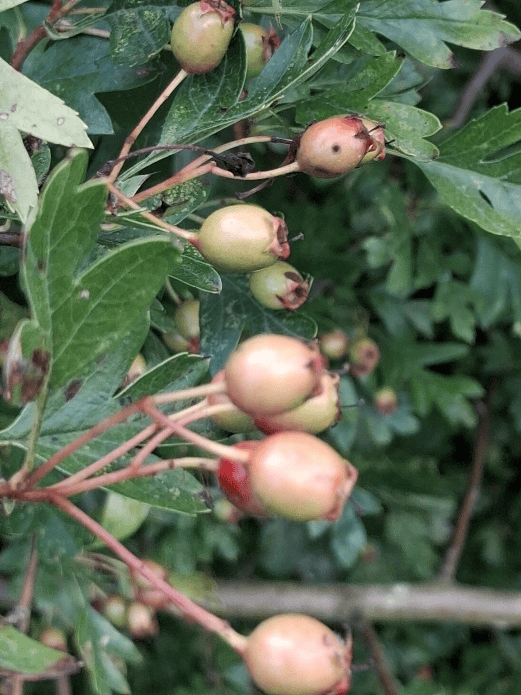
By late summer and autumn, clusters of small red haws appear among the leaves.
Although commonly called berries, botanically they are small pomes, making them structurally related to miniature apples.
Cutting a ripe Crataegus monogyna haw open usually reveals a single hard stone or pyrene containing the seed.
That single seed provides another useful clue to the identity of the species.
Common Hawthorn or Midland Hawthorn?
Two Hawthorn species are particularly important when discussing European herbal medicine:
Common Hawthorn –Crataegus monogyna
and
Midland Hawthorn –Crataegus laevigata.
They can look remarkably similar and may also hybridise where they grow together.
There are, however, several useful clues.
Crataegus monogyna The leaves are generally more deeply lobed.
The flowers usually possess one style.
The mature haw generally contains one seed or stone.
Crataegus laevigata The leaves tend to be more shallowly lobed.
The flowers commonly possess two or more styles.
The fruit generally contains two or more stones.
No single feature should be relied upon when identifying an unfamiliar plant. Leaf shape, flowers, fruits, growing location and the overall appearance of the tree should be considered together.
This becomes particularly important for anyone intending to harvest a wild plant medicinally.
Correct identification always comes before harvesting.
Hawthorn Around the World
Although Crataegus monogyna is the Hawthorn most familiar to us in Ireland, it belongs to a much larger and botanically complex genus.
The genus Crataegus contains numerous species distributed principally throughout temperate regions of the Northern Hemisphere. Hawthorns occur naturally across Europe, Asia, North Africa and North America, and several species have developed their own histories of medicinal or culinary use.
Crataegus monogyna– Common Hawthorn This is the familiar Hawthorn of Ireland, Britain and much of Europe.
It is widespread in hedgerows, scrub, woodland margins and field boundaries and is one of the species most strongly associated with European traditional herbal medicine.
Crataegus laevigata– Midland Hawthorn Also native to Europe, C. laevigata is closely related to C. monogyna and has likewise been used medicinally.
The two species may hybridise, making identification less straightforward where they grow together.
Crataegus pinnatifida– Chinese Hawthorn In China and other parts of East Asia, Crataegus pinnatifida has a long history of use as both food and traditional medicine.
Its red fruits, commonly known as shan zha, have traditionally been associated particularly with digestion and food stagnation, illustrating something important about medicinal plants: different cultures may develop quite different therapeutic relationships with members of the same botanical genus.
North American Hawthorns North America is home to a particularly rich diversity of Crataegus species.
Several were traditionally used by Indigenous peoples as foods and in local medicinal practices, although the species and preparations varied considerably between regions and communities.
This diversity is worth remembering whenever we encounter the word Hawthorn in a herbal text.
Hawthorn is not one single species growing everywhere in the world.
For this Herbal Medicine Library entry, our principal plant is the Hawthorn most familiar in Ireland:
Crataegus monogyna.
Hawthorn in Traditional Herbal Medicine
Hawthorn has a long relationship with humans, although its reputation as the quintessential European “heart herb” developed gradually.
The fruits have been eaten for generations, while different parts of Hawthorn have appeared in traditional preparations for a variety of purposes.
Its particularly strong association with cardiovascular medicine became increasingly established in European herbal practice during the nineteenth century and continued into the twentieth century, when Hawthorn preparations began attracting greater scientific and clinical interest.
Traditional Western herbalists came to regard Hawthorn as a cardiovascular tonic.
The word tonic can easily be misunderstood today.
Traditionally, a tonic was not necessarily expected to produce an immediate, dramatic pharmacological effect. Tonics were generally used over time to support the function or resilience of a particular body system.
Hawthorn consequently developed a reputation as a gentle, longer-term herb associated particularly with the heart and circulation.
Traditional uses have included support for the ageing heart, circulation and cardiovascular function, as well as use where awareness of the heartbeat occurred alongside nervousness or emotional tension.
These are traditional herbal uses and should not automatically be interpreted as modern clinical indications. That distinction becomes particularly important with cardiovascular disease, where symptoms such as chest pain, breathlessness, fainting or persistent palpitations require appropriate clinical assessment.
Which Parts of Hawthorn Are Used?
One of Hawthorn’s interesting features is that herbal medicine uses the plant at two very different stages of its annual cycle.
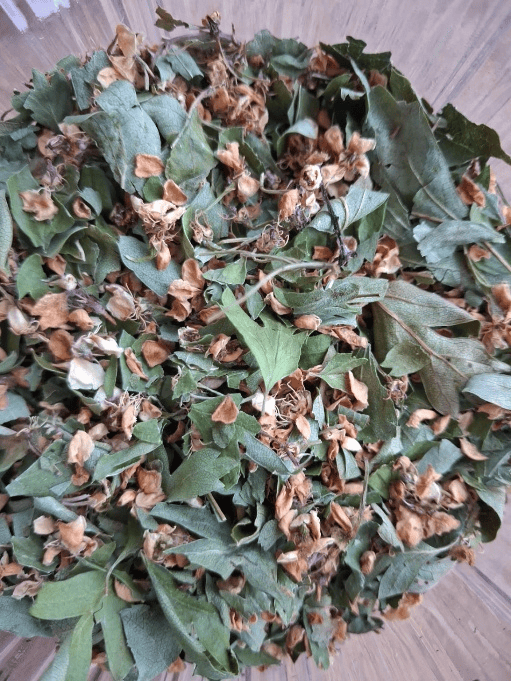
Leaves and Flowers The leaves and flowers, usually harvested together as flowering tops, are among the most important medicinal materials in European phytotherapy.
They are collected in spring when the plant is flowering and contain a characteristic range of flavonoids and oligomeric procyanidins.
In modern European herbal preparations, the flowering leafy tops have received considerable attention.
This matters because people sometimes assume that “Hawthorn” automatically means Hawthorn berries.
It does not.
When reading research, purchasing an extract or preparing Hawthorn medicinally, we need to know which part of the plant is actually being discussed.
Haws The red autumn fruits have their own long history as both food and herbal material.
They contain polyphenolic compounds as well as sugars, organic acids, pectins and other constituents associated with fruit.
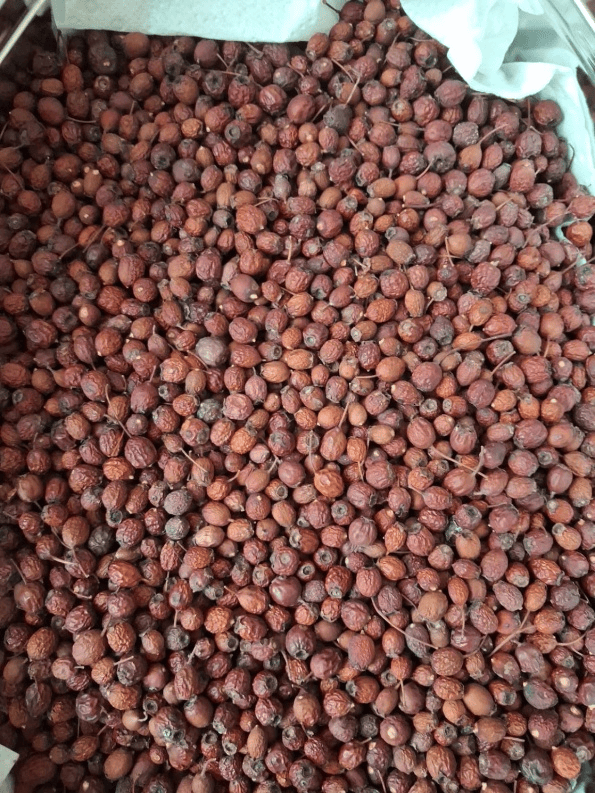
The haws can be dried, infused, tinctured or incorporated into culinary preparations.
They are valuable plant material in their own right, but their chemical profile is not identical to that of the flowering tops.
Using the Whole Seasonal Cycle Traditional herbalists may work with both harvests.
The leaves and flowers can be collected in spring and the fruits later in the year. Some preparations combine material from different parts of the plant, while others deliberately keep them separate.
There is something appealing about using Hawthorn in this way.
But from a phytochemical and research perspective, we should still resist treating them as though they were automatically identical.
Taste & Energetics
One of the simplest ways to begin understanding a medicinal plant is to experience it with the senses.
Hawthorn changes noticeably depending upon which part of the plant we are working with.
Leaves and Flowers The young leaves and flowering tops are relatively mild compared with many strongly aromatic medicinal herbs. They have a fresh, green character with a gentle astringency rather than an immediately powerful flavour.
The flowers add another sensory dimension altogether.
Fresh Hawthorn blossom has a distinctive fragrance that people experience very differently. Some find it pleasantly sweet and floral; others detect a heavier, almost musky quality.
That unusual scent is part of Hawthorn’s character and may also help explain some of the old traditions surrounding bringing large quantities of May blossom indoors.
The Haws The ripe red haws are quite different.
Their flavour is generally mild, slightly tart and gently astringent, while the texture of the flesh can be dry or somewhat mealy.
That mild astringency is not simply a culinary observation. It reflects, in part, the polyphenolic and tannin-containing nature of the fruit.
Haws are not usually the kind of fruit that makes someone stand beneath the tree eating handful after handful.
Their character makes considerably more sense once they are prepared: infused, gently simmered, tinctured, made into syrup or incorporated into preserves with other autumn fruits.
Traditional Energetics Within Western herbal tradition, Hawthorn is generally regarded as a gentle, restorative cardiovascular tonic rather than a strongly heating, cooling or stimulating herb.
Its mild astringency gives it a subtly toning quality, while its traditional association with both cardiovascular function and the nervous or emotional heart gives Hawthorn an unusual position among medicinal plants.
This is also a useful reminder that traditional herbal energetics and modern phytochemistry describe plants in different ways.
One speaks through qualities such as taste, tone and traditional observation.
The other speaks through flavonoids, procyanidins, receptors and physiological mechanisms.
They are not interchangeable systems of description.
But when used carefully, each can help us look at the same plant from a different direction.
Key Constituents of Hawthorn
Hawthorn does not owe its medicinal reputation to one isolated chemical compound.
Instead, it contains a complex mixture of phytochemicals, with the precise composition varying according to species, plant part, stage of growth, environmental conditions and method of extraction.
Among the most important groups are:
Flavonoids Hawthorn contains numerous flavonoids and flavonoid derivatives.
Flavonoids are widespread throughout the plant kingdom and are associated with a range of biological activities, including antioxidant and vascular effects.
Oligomeric Procyanidins – OPCs The oligomeric procyanidins, often abbreviated to OPCs, are another important group of Hawthorn polyphenols.
They have been extensively investigated in relation to the cardiovascular actions of standardised Hawthorn extracts.
OPCs are also found in other familiar foods and plants, including grapes, apples and cocoa.
Phenolic Acids Hawthorn contains several phenolic acids and related compounds that contribute to its overall phytochemical profile and antioxidant activity.
Triterpenoid Compounds
Various triterpenes have also been identified within Crataegus species.
Although they tend to receive less public attention than the flavonoids and procyanidins, they form part of the complex chemistry of the plant.
Organic Acids and Pectins The fruits contain organic acids and pectic substances alongside their polyphenolic compounds.
These contribute not only to the chemistry of the haws but also to their behaviour when used as food.
Anyone who has made a fruit jelly will already understand the practical importance of pectin.
Why the Whole Plant Extract Matters
Herbal medicine often becomes distorted when we attempt to identify one constituent and declare:
“That is the active ingredient.”
Hawthorn provides a good example of why that approach can be too simplistic.
Its biological activity appears to involve numerous constituents and several physiological pathways rather than one single compound acting upon one single target.
This is also why preparation matters.
Water and alcohol do not extract every plant constituent equally. A tea, tincture, powdered herb and standardised commercial extract therefore cannot automatically be regarded as equivalent simply because each carries the name Hawthorn.
This distinction becomes particularly important when interpreting scientific research.
If a clinical study investigates a specifically manufactured extract standardised to particular constituents, we cannot assume that a homemade cup of Hawthorn tea will produce an identical pharmacological effect.
The tea may still be a perfectly valid traditional herbal preparation.
It is simply not the preparation that was studied.
That is an important principle throughout herbal medicine, not only with Hawthorn.
Traditional Herbal Actions
Within Western herbal practice, Hawthorn has traditionally been described using several overlapping herbal actions.
Cardiovascular Tonic This is perhaps Hawthorn’s best-known traditional role.
Rather than being viewed as a rapidly acting cardiac remedy, Hawthorn has historically been associated with longer-term cardiovascular support.
Circulatory Support Hawthorn has traditionally been used where gentle support of peripheral and coronary circulation was desired.
Modern research into vascular function and endothelial physiology has provided interesting avenues through which some of these traditional observations can now be explored.
Antioxidant Activity
The flavonoids and procyanidins found within Hawthorn demonstrate antioxidant activity in experimental systems.
Antioxidants help limit oxidative reactions involving reactive oxygen species, but the term should not be interpreted as though antioxidants simply “clean toxins” or prevent every disease associated with oxidative stress.
Human physiology is considerably more complicated than that.
Mild Astringent Action
The tannin and polyphenol content of Hawthorn contributes a degree of astringency, particularly noticeable in some preparations of the fruits.
Nervous Cardiovascular Support
Traditional herbal practice has also associated Hawthorn with the heart affected by emotional strain: the pounding, fluttering or heightened awareness of the heartbeat that may accompany nervous tension.
This traditional use provides an interesting bridge between herbal medicine and our modern understanding of the close relationship between the cardiovascular and autonomic nervous systems.
From Traditional Action to Modern Research
This is where Hawthorn becomes particularly interesting.
Many herbs acquire impressive lists of supposed actions simply because one website copies another. Hawthorn is different.
Specific Hawthorn preparations have actually undergone pharmacological and clinical investigation, particularly in relation to cardiovascular function. Research has explored their possible effects on cardiac muscle function, vascular tone and endothelial function, as well as coronary blood flow, oxidative stress and blood pressure. Clinical studies have also investigated Hawthorn preparations in relation to symptoms associated with certain forms of chronic cardiovascular disease.
However, the quality and relevance of that evidence vary considerably, and this is where careful interpretation becomes important. Some of the best-known studies used standardised extracts of Hawthorn leaf and flower, rather than ordinary Hawthorn tea or Hawthorn berry tincture. The results obtained with one specific preparation therefore cannot automatically be applied to every product made from the plant.
That distinction is essential.
Rather than simply asking “Does Hawthorn work for the heart?”, a more scientifically useful approach is to ask which Hawthorn species was studied, which part of the plant was used and how it was prepared. We also need to know the dose, the cardiovascular condition being investigated and what the Hawthorn preparation was compared with.
Those details may sound rather technical, but they determine what a study can actually tell us. Hawthorn tea, berry tincture and a standardised leaf-and-flower extract are all Hawthorn preparations, but they are not scientifically interchangeable.
And alongside which conventional treatment?
Those questions may sound less exciting than declaring Hawthorn “the ultimate heart herb”.
But they are the questions that allow traditional herbal medicine and modern clinical science to have a meaningful conversation.
What Modern Research Says About Hawthorn
Hawthorn occupies an interesting position in modern herbal medicine.
It is one of those plants whose traditional reputation has encouraged considerable scientific investigation, particularly into its possible effects on cardiovascular function. Yet the evidence is not as simple as saying that Hawthorn has now been “proven” to treat heart disease.
Different studies have examined different Crataegus species, different plant parts and, importantly, different preparations.
Some of the best-known cardiovascular research has involved standardised extracts of Hawthorn leaf and flower, particularly the proprietary extract known as WS 1442.
This is important throughout the following discussion.
Results obtained with a standardised pharmaceutical extract cannot automatically be applied to Hawthorn tea, homemade tincture or Hawthorn berries.
Hawthorn and Heart Failure
Some of the most extensive clinical research into Hawthorn has involved people with chronic heart failure.
This led to considerable interest in Hawthorn as a possible adjunct to conventional heart-failure management.
One of the largest investigations was the SPICE trial, involving 2,681 adults with NYHA class II or III chronic heart failure and reduced left ventricular ejection fraction.
Participants received either 900 mg daily of the standardised Hawthorn extract WS 1442 or placebo for 24 months, alongside their conventional heart-failure treatment.
The main result is important because it prevents us from overstating Hawthorn’s benefits.
WS 1442 did not significantly reduce the study’s primary combined cardiac endpoint compared with placebo.
There were some potentially interesting findings within subgroups, including a reduction in sudden cardiac death among participants with less severely impaired left ventricular function, but this was not the trial’s primary outcome and should therefore be interpreted cautiously.
The study did, however, provide useful information about safety: adverse-event rates were similar between the Hawthorn and placebo groups despite participants receiving conventional cardiovascular medication.
So what does this mean for the Herbal Medicine Library?
It means Hawthorn should not be described as a treatment for heart failure.
It does mean that a particular standardised Hawthorn extract has been studied as an adjunct to conventional treatment in people with established chronic heart failure.
Those are two very different statements.
Hawthorn and Blood Pressure
Hawthorn has also attracted considerable interest in relation to hypertension.
Individual trials over the years have produced variable results, partly because studies have differed in their populations, Hawthorn preparations, doses and duration.
More recently, however, a 2025 meta-analysis examined randomised placebo-controlled clinical trials investigating Crataegus preparations in people with hypertension.
The pooled findings suggested that Hawthorn supplementation was associated with a statistically significant reduction in systolic blood pressure. A reduction in diastolic blood pressure was also observed, although the pooled effect did not reach statistical significance.
These findings are encouraging and support continued research into Hawthorn’s potential vascular effects.
However, they do not mean that Hawthorn should replace established hypertension treatment.
The available trials remain relatively limited, and hypertension is too important a cardiovascular risk factor to manage according to whether someone feels well while taking a herb.
Blood pressure needs to be measured.
And where antihypertensive medication is prescribed, it should not be stopped or altered simply because Hawthorn has been introduced.
Hawthorn and the Blood Vessels
Experimental studies provide several possible explanations for Hawthorn’s traditional association with circulation.
Hawthorn extracts and their constituent polyphenols have been investigated for effects upon vascular tone and endothelial function.
The endothelium is the thin layer of cells lining the interior of our blood vessels. Far from being merely a passive lining, it participates actively in regulating vascular tone, inflammation, coagulation and blood flow.
Research suggests that Hawthorn may influence pathways involved in vasodilation, including mechanisms associated with nitric oxide.
This could help explain why Hawthorn has attracted interest in relation to blood pressure and circulation.
Again, however, laboratory mechanisms should not be confused with clinical outcomes.
Showing that a plant extract affects a biological pathway is not the same as proving that drinking the herb prevents cardiovascular disease.
Hawthorn and Cardiac Rhythm
Hawthorn is traditionally associated with palpitations and the sensation of a nervous or unsettled heart.
This is an area where language matters enormously.
Palpitations are a symptom, not a diagnosis.
They may accompany anxiety, stress, caffeine consumption or benign ectopic beats, but they can also occur with atrial fibrillation, thyroid disease, anaemia, electrolyte abnormalities or other cardiac conditions.
Interestingly, recent observational research has examined the standardised extract WS 1442 in relation to cardiac rhythm disorders. A large German retrospective cohort study reported associations between WS 1442 use and lower recorded rates of atrial fibrillation/flutter, tachycardia and other arrhythmias compared with a magnesium/potassium comparator group.
These findings are interesting but cannot establish that Hawthorn prevented the arrhythmias.
Observational studies can identify associations.
They cannot prove cause and effect.
That distinction is particularly important when discussing cardiac rhythm.
What Does the European Medicines Agency Say?
The European Medicines Agency (EMA) provides a useful reality check because its herbal monographs distinguish between well-established medicinal use and traditional use.
For Hawthorn leaf and flower, the EMA recognises traditional use for the relief of temporary nervous cardiac complaints, such as palpitations or the perception of extra heartbeats associated with mild anxiety, after serious medical causes have been excluded.
The EMA also recognises traditional use of Hawthorn leaf and flower for mild symptoms of mental stress and to aid sleep.
The wording matters.
These indications are based on long-standing traditional use, not on sufficient clinical-trial evidence to establish a well-established medicinal indication.
That is considerably more restrained than many claims encountered online.
And it is probably a much better representation of where Hawthorn currently sits between traditional herbal practice and modern evidence.
The Nervous Heart
This traditional association between Hawthorn and the “nervous heart” is particularly fascinating.
We now understand much more about the relationship between the autonomic nervous system and cardiovascular function than earlier herbalists could possibly have known. During stress or anxiety, sympathetic nervous system activity increases. Heart rate and blood pressure may rise, breathing changes, and the force of cardiac contraction can become more noticeable. Even an occasional ectopic beat that might otherwise pass unnoticed can suddenly feel enormously significant when someone becomes anxious and begins monitoring every heartbeat.
This can create a self-perpetuating cycle. The sensation causes anxiety, the anxiety increases sympathetic activity, and the heartbeat becomes still more noticeable. What began as a fleeting physical sensation can therefore become increasingly prominent simply because the nervous system is now paying very close attention to it.
Traditional herbal medicine did not speak in terms of sympathetic activation, vagal tone or heart-rate variability, but herbalists certainly recognised something fundamental: emotion and the heart were connected.
Hawthorn became one of the plants associated with this territory and was sometimes combined with calming herbs such as Lemon Balm (Melissa officinalis). Modern physiology gives us a new vocabulary for an observation that is actually very old.
Catherine’s Nursing Perspective
Hawthorn is one of the medicinal plants where my nursing background and my work with herbal medicine meet very naturally.
After many years in General Practice Nursing, I cannot look at a herb described as “good for the heart” without asking another set of questions. What is the person’s blood pressure and pulse, and is that pulse regular? Are the palpitations new? What medication are they taking? Do they have diabetes, abnormal lipids, impaired renal function, anaemia or thyroid dysfunction? Most importantly, are there symptoms such as chest pain, breathlessness, dizziness or syncope that require further investigation?
Because the heart does not exist in isolation.
And neither does Hawthorn.
A person interested in taking Hawthorn may already be taking antihypertensive medication, beta-blockers, diuretics, anticoagulants or several other prescribed medicines. That does not automatically mean that Hawthorn cannot be considered. It means that the herb needs to be treated as something pharmacologically relevant enough to disclose and discuss.
I find that an important principle in integrative healthcare. We cannot argue that medicinal plants possess meaningful physiological activity and then, in the next breath, behave as though they are too harmless to mention when prescribed medicines are being reviewed.
If a plant is powerful enough for us to value medicinally, it is important enough to put on the medication list.
When Palpitations Need More Than a Herb I am particularly cautious when Hawthorn is discussed for palpitations.
There is an enormous difference between someone occasionally becoming aware of their heartbeat during stress and someone developing a previously undiagnosed arrhythmia. New, persistent or worsening palpitations deserve assessment, particularly when accompanied by dizziness, fainting, chest discomfort, breathlessness or unusual fatigue.
Sometimes the cause is relatively benign, and sometimes it isn’t. The herb cupboard can wait until we know which one we are dealing with.
Where I Think Hawthorn Belongs For me, Hawthorn’s greatest value is not found in exaggerated promises that it will “fix” the heart. Its value lies in something much more interesting.
Here is a plant with centuries of traditional cardiovascular use whose phytochemistry has proved sufficiently intriguing to generate genuine pharmacological research, randomised clinical trials and continuing scientific investigation. Not every traditional claim has survived that scrutiny. Some remain plausible but unproven, some clinical findings are encouraging, and others have been neutral.
That is exactly how evidence develops.
We do traditional herbal medicine no favours by pretending the science is stronger than it is, but neither do we do modern healthcare any favours by pretending that centuries of accumulated plant knowledge are unworthy of investigation.
Hawthorn sits rather beautifully between those two worlds.
Hawthorn in Irish History and Folklore
Few native trees carry quite the cultural weight of Hawthorn in Ireland.
Known in Irish as sceach gheal, Hawthorn has long been associated with field boundaries, old pathways, holy wells, ancient sites and, perhaps most famously, the fairy tradition.
For generations, a distinction was often made between Hawthorn growing as part of an ordinary hedge and a solitary Hawthorn standing alone in a field or near an ancient site.
The latter could command considerable respect.
These lone trees became associated with the Aos Sí, the supernatural people of Irish tradition, and were often described simply as fairy trees. Cutting or damaging one was traditionally regarded as something best avoided.
Whatever our personal interpretation of those beliefs today, their influence upon the Irish landscape is undeniable.
Old Hawthorns can still be found standing alone where the land around them has been cultivated, grazed or otherwise altered. In some places, roads, boundaries and agricultural activity have accommodated an old tree rather than removing it.
Folklore may therefore have achieved something that modern conservation frequently struggles to accomplish:
it made people leave the tree alone.
The May Tree
Hawthorn has also been known as the May Tree, reflecting its characteristic flowering period.
Its appearance in blossom marked an important seasonal transition. Dense green hedges suddenly became covered in white flowers, signalling that spring was giving way to early summer. Hawthorn consequently became intertwined with older seasonal traditions surrounding May, fertility, protection and the changing agricultural year.
There is an important lesson hidden here for anyone learning medicinal plants. Our ancestors did not identify the seasons solely by dates printed on calendars; they watched what the land was doing. Plants flowered, birds returned, fruits ripened and leaves changed. These natural rhythms helped people recognise where they were in the agricultural and seasonal year.
The natural world was the calendar, and Hawthorn blossom was one of its pages.
Hawthorn Blossom in the House
An old tradition found in Ireland and Britain warned against bringing Hawthorn blossom into the home.
Depending upon place and period, it could be associated with bad luck, illness or even death.
Interestingly, the unusual reputation of Hawthorn blossom may have had a sensory component as well as a supernatural one.
The flowers produce a distinctive scent that people perceive very differently. Some find it sweet and pleasant, while others detect heavier, less agreeable notes.
Modern chemistry can investigate the volatile compounds responsible for that fragrance.
Folklore tells us what generations of people made of the experience.
The two explanations do not have to compete.
For the Herbal Medicine Library, both are part of the story of the plant.
A Tree Between Worlds
Hawthorn is repeatedly associated with boundaries.
That seems remarkably appropriate.
Physically, Hawthorn has divided fields and marked roads and properties for generations.
Ecologically, the hedgerow forms a boundary between open spaces while simultaneously providing a corridor through which wildlife can move.
In folklore, the tree could mark another kind of boundary: between the ordinary human world and the unseen one.
And medicinally, Hawthorn eventually became associated with another boundary altogether:
the physical heart and the emotional heart.
Perhaps this is partly why Hawthorn has accumulated such a rich cultural identity.
It has spent centuries growing at the edges of things.
Harvesting Hawthorn
Hawthorn offers two principal medicinal harvests during the year.
In spring, we have the young leaves, flowers and flowering tops.
In autumn, we have the ripe haws.
Pic 6 Ripe Hawthorn haws on the tree, ready for the autumn harvest.
Each should be harvested at the appropriate stage rather than treating the tree as though its medicinal material remains unchanged throughout the year.
Harvesting the Leaves and Flowers Flowering tops are generally gathered when the Hawthorn is in bloom and the flowers are fresh and healthy.
In Ireland, this is commonly around May, although weather and location can shift the flowering period considerably.
Choose a dry day once surface moisture or morning dew has evaporated.
Select clean, healthy flowering growth and take small amounts from different parts of the tree rather than heavily stripping individual branches.
The flowers are being visited by pollinating insects and every flower also represents a potential autumn fruit.
There is no need to harvest every perfect blossom simply because it is there.
Harvesting the Haws The fruits are harvested later in the year once they have developed their characteristic red colour and are fully ripe.
They should be firm but mature, without obvious mould, disease or deterioration.
I prefer to harvest from places I know.
A beautiful Hawthorn beside a heavily trafficked road may be easy to reach, but convenience is not my first consideration when collecting material that will eventually become tea, tincture or food.
Avoid sites exposed to obvious pollution, chemical spraying or other potential contamination.
And always leave a substantial proportion of the crop on the tree.
The autumn berries are not waiting exclusively for the herbalist.
Harvesting With Wildlife in Mind
Hawthorn makes sustainable harvesting particularly easy to understand because we can actually see who else depends upon the plant. In spring, insects visit the flowers, while later in the year birds feed upon the haws. Its dense branches also provide shelter and nesting habitat throughout the seasons.
For that reason, when harvesting Hawthorn I do not work according to a rigid percentage such as “take exactly this much and leave that much.” Instead, I look at the individual tree and its surroundings. I consider how heavily it is flowering or fruiting, whether pollinators are actively feeding, whether there are many Hawthorns nearby or only one, and whether the autumn fruit crop is abundant or relatively poor. If wildlife is already feeding from the tree, that also becomes part of the decision.
Those observations tell us far more than a mathematical harvesting rule ever could. Some years a tree may offer an extraordinary abundance; in another year, or in another location, the responsible harvest may be very small indeed.
And sometimes, when we already have enough stored from a previous harvest, the responsible harvest is no harvest at all.
A good wild harvest should be difficult to detect once you have finished.
Drying Hawthorn Leaves and Flowers
Hawthorn flowering tops can be dried for later use.
Spread the freshly harvested material loosely in a thin layer on a clean drying surface with good air circulation.
Keep it away from direct sunlight and excessive heat.
The purpose is to remove moisture efficiently while preserving the quality of the plant material, not to cook it.
Turn or gently redistribute the material as necessary so that damp pockets do not remain trapped beneath leaves or flowers.
Once thoroughly dry, the material should feel crisp rather than cool, soft or damp.
Any plant material showing mould, unusual discolouration or an unpleasant musty smell should be discarded.
Drying the Haws The fruits contain considerably more moisture than the leaves and flowers and therefore require more careful drying.
Whole haws can take a long time to dry naturally, particularly in Ireland’s humid climate.
They may be carefully prepared for drying and dried using gentle controlled warmth or a dehydrator where appropriate.
Whichever method is used, the important point is that the fruits must be completely dry before storage.
A berry that looks dry on the outside may still retain moisture internally.
And moisture sealed into a storage jar is an invitation to mould.
Storing Dried Hawthorn
Once completely dry, Hawthorn should be stored in clean, dry, well-sealed containers away from direct sunlight, heat and moisture.
Label everything.
At minimum, I like a herbal label to identify:
Plant name
Plant part
Date harvested
Location harvested
That may seem unnecessary when you have just filled the jar.
Six months later, when several jars contain different brown-green dried plants, confidence has an extraordinary habit of disappearing.
Good herbal practice begins long before we administer anything.
Identification, harvesting, drying, labelling and storage are all part of the medicine.
Preparing Hawthorn
Hawthorn can be prepared in several ways, and the appropriate preparation depends partly upon which plant material is being used.
Hawthorn Leaf and Flower Tea Dried Hawthorn leaves and flowers make a straightforward herbal infusion.
The flavour is relatively gentle compared with many medicinal herbs, making Hawthorn suitable for blending with other plants where appropriate.
A simple infusion also allows us to experience Hawthorn in one of its least complicated forms.
Not every medicinal plant needs to become a concentrated extract.
Hawthorn Berry Tea
Dried haws can also be used for tea, although their harder structure means they benefit from being broken or gently crushed before preparation.
Berry preparations may be simmered rather than simply infused, allowing water more time to penetrate the tougher fruit material.
Care should be taken not to deliberately pulverise the hard seeds.
Hawthorn Tincture
Hawthorn lends itself particularly well to tincture making. The fresh flowering tops can be tinctured during spring, while the ripe berries can be tinctured separately when autumn arrives, giving the herbalist an opportunity to work with two distinct stages of the same plant.
Some practitioners keep the spring and autumn tinctures separate, while others combine them. From a traditional herbal perspective, there is something rather lovely about bringing both harvests together in a single preparation.
Spring blossom. Autumn fruit. One tree captured at two moments in its medicinal year.
Hawthorn Berry Syrup
The ripe fruits can also be incorporated into syrups.
These preparations sit comfortably at the old boundary between herbal medicine and food, particularly when berries are combined with other traditional autumn fruits.
As always, the preservation method matters. Water-rich homemade syrups have a much shorter shelf life than alcoholic tinctures and require appropriate preparation, storage and monitoring for spoilage.
Hawthorn in the Kitchen
Haws have a history as food as well as medicine. Their flavour is mild, slightly tart and somewhat mealy, and the fruits contain relatively little flesh around the hard centre. Nevertheless, they have traditionally found their way into jellies, syrups, fruit sauces, chutneys and mixed hedgerow preserves, where their natural pectin content can be particularly useful.
There is one important distinction to make when preparing the fruit. The hard seeds should not be deliberately crushed and consumed because, as with several members of the Rosaceae family, they contain cyanogenic glycosides. Using the fleshy fruit in ordinary culinary preparations is quite different from grinding and consuming quantities of the kernels.
This is another example of why traditional food preparation methods matter. Our ancestors may not have described cyanogenic glycosides at the kitchen table, but they knew which parts of plants they ate and how they prepared them.
A Haven for Bees and Other Pollinators
Long before I consider harvesting Hawthorn blossom, somebody else has usually found it: the insects.
A flowering Hawthorn can become an extraordinary feeding station, attracting bees, hoverflies, beetles and numerous other insects. Its ecological value continues long after flowering has finished. The foliage supports invertebrate life, the dense branching structure provides shelter, refuge and nesting opportunities, and later in the year the autumn haws become an important food source for birds and other wildlife.
This makes Hawthorn much more than an individual medicinal species. It is part of the infrastructure of the hedgerow.
When a mature Hawthorn disappears, we do not simply lose one tree. We also lose its flowers and fruits, along with the food, shelter, nesting opportunities and habitat it provides throughout the year.
That is why I believe medicinal-plant education should include ecology. Learning what a plant can do for us is only half of learning the plant. We should also understand what that plant is doing for the living community around it.
Safety, Contraindications and Interactions
Hawthorn has a long history of traditional use and is generally regarded as well tolerated when used appropriately.
However, its association with cardiovascular function means that safety deserves more than the usual one-line instruction to “consult your doctor if taking medication.”
When considering Hawthorn, several questions matter: Who is taking it, why are they taking it, which preparation are they using, and what medicines or medical conditions are already present?
These considerations become particularly important when Hawthorn is being used specifically because someone is experiencing cardiovascular symptoms.
Possible Side Effects
Reported adverse effects from Hawthorn preparations are generally mild and may include:
dizziness
headache
gastrointestinal discomfort
nausea
increased awareness of the heartbeat in some individuals
Individual responses vary, and a new symptom should not automatically be dismissed as a harmless effect of the herb.
This is particularly important if dizziness, palpitations or changes in exercise tolerance develop in someone with known cardiovascular disease.
Hawthorn and Cardiovascular Medicines Hawthorn is frequently accompanied by broad warnings about interactions with “heart medication”.
The reality requires more nuance.
Because Hawthorn preparations may influence cardiovascular physiology, there is a potential for additive effects when they are used alongside medicines that also affect blood pressure, vascular tone or cardiac function.
This does not mean that every combination has been proven dangerous.
Indeed, some clinical trials of standardised Hawthorn extracts have included patients who were also receiving conventional cardiovascular treatment.
But it does mean that medicinal Hawthorn use should be disclosed, particularly in people taking several cardiovascular medicines.
Blood Pressure Medication If Hawthorn contributes to vasodilation or blood-pressure reduction, combining it with antihypertensive medication could potentially produce an additive effect in some individuals.
For someone already taking treatment for hypertension, blood pressure should therefore be monitored rather than assuming that the addition of Hawthorn is clinically irrelevant.
Medication should never be reduced or stopped simply because blood-pressure readings improve after introducing a herbal preparation.
Medicines Affecting Cardiac Function People taking medicines for heart failure, angina, arrhythmias or other established cardiovascular conditions should seek appropriately qualified advice before beginning regular medicinal doses of Hawthorn.
The issue is not that Hawthorn has been demonstrated to interact dangerously with every cardiac medicine.
The issue is that established cardiovascular disease deserves supervised care.
A herb should be integrated into that picture rather than added invisibly alongside it.
Anticoagulants and Antiplatelet Medicines Hawthorn is sometimes included on internet lists of herbs that supposedly interact with anticoagulants such as warfarin or with antiplatelet medicines.
Evidence for clinically significant interactions is not as clear as those lists often imply.
Nevertheless, anyone taking anticoagulant or antiplatelet therapy should disclose regular herbal and supplement use to the healthcare professional managing their treatment.
This is particularly important when several products are being taken together or before surgery and invasive procedures.
Digoxin: An Important Example of Internet Confusion
Hawthorn is also frequently described online as interacting with digoxin.
This claim deserves careful interpretation.
Experimental research has raised questions about possible interactions, and Hawthorn may also interfere with certain laboratory methods used to measure digoxin concentrations.
That is not the same as demonstrating a predictable dangerous interaction in every person taking the medicine.
However, digoxin has a narrow therapeutic range and is used in people with significant cardiovascular conditions.
For that reason alone, regular medicinal use of Hawthorn alongside digoxin should be discussed with the clinician or pharmacist responsible for the person’s medication.
This is a good example of why interaction information should not be reduced to lists labelled simply:
SAFE or DANGEROUS.
Clinical context matters.
Pregnancy and Breastfeeding
There is insufficient reliable safety information to recommend medicinal Hawthorn routinely during pregnancy or breastfeeding.
Culinary exposure and medicinal dosing are not necessarily equivalent.
In the absence of adequate evidence, concentrated preparations should therefore be approached cautiously during pregnancy and breastfeeding unless appropriately advised by a qualified healthcare professional.
Children and Adolescents
Medicinal Hawthorn preparations should not automatically be assumed suitable for children simply because Hawthorn is a plant.
Different preparations have different concentrations, and some tinctures also contain significant quantities of alcohol.
Where Hawthorn is being considered medicinally for a child or adolescent, particularly for symptoms involving the heart, medical assessment should come first.
A child complaining of palpitations does not need a cardiac herb before somebody has established why the palpitations are occurring.
When Hawthorn Is NOT the Answer
There is perhaps no more important safety message in this entire Hawthorn entry.
Hawthorn is not an emergency cardiac treatment.
Seek urgent medical assessment for symptoms such as:
new or severe chest pain or pressure
chest discomfort spreading to the arm, shoulder, back, neck or jaw
sudden or significant shortness of breath
fainting or collapse
a new sustained rapid or markedly irregular heartbeat
palpitations accompanied by chest pain, breathlessness or faintness
sudden severe weakness or unexplained deterioration
The presence of a medicinal plant traditionally associated with the heart should never delay appropriate emergency care.
There is a time for the herb cupboard.
There is also a time for modern medicine.
Knowing the difference is part of responsible herbal practice.
A Note on Long-Term Use
Hawthorn has traditionally been regarded as a plant suited to longer-term use rather than a short, dramatic intervention.
That does not mean that everyone should take Hawthorn indefinitely “for prevention”.
Whether regular medicinal use is appropriate depends upon the individual, the preparation, the reason for taking it and any concurrent medical treatment.
There is also an important difference between incorporating Hawthorn occasionally as food or tea and taking a concentrated standardised extract every day.
Dose and preparation matter.
That simple principle is easily forgotten when discussing medicinal plants.
Catherine’s Herbal Notes
Harvest season: I associate Hawthorn with two beautiful harvesting periods: the flowering tops in spring, usually around May in Ireland, and the ripe red haws from late summer into autumn.
Parts used: Leaves, flowers and flowering tops in spring; ripe haws in autumn.
Favourite preparation: I particularly like working with Hawthorn across the seasons. The flowering tops can be tinctured in spring and the berries tinctured separately when they ripen later in the year. They may remain as two distinct preparations or be combined depending upon how I intend to use them.
There is something rather satisfying about having both stages of the tree preserved: Hawthorn in flower and Hawthorn in fruit. I also enjoy Hawthorn as part of seasonal herbal blends, particularly when the berries can sit alongside other autumn hedgerow fruits.
Growing location: Hawthorn grows abundantly throughout County Wexford and across Ireland. I prefer harvesting from clean, familiar locations away from heavily trafficked roads and areas that may have been sprayed.
Personal observation: Hawthorn is one of those plants that can become almost invisible because we see it everywhere.
Then May arrives.
Suddenly the hedgerow is covered in blossom, insects are moving from flower to flower and the tree we barely noticed a few weeks earlier has become one of the busiest places in the landscape.
By autumn, it has transformed again.
The white blossom has disappeared and the branches are carrying red haws, with birds now taking the place of the spring pollinators.
That seasonal transformation has changed the way I harvest Hawthorn.
I never see a heavily flowering or fruiting tree simply as an abundance of medicinal material waiting for me to collect.
I see a living food source that I am sharing.
So I take what I need. And I leave considerably more than I take. For me, that is as much a part of herbal medicine as knowing the constituents in the plant.
Final Thoughts
Hawthorn is frequently called the heart herb, but after exploring the plant properly, that description begins to feel almost inadequate.
It certainly has an extraordinary relationship with the history of cardiovascular herbal medicine. Its leaves and flowers contain flavonoids and oligomeric procyanidins that have attracted serious pharmacological investigation, standardised Hawthorn extracts have entered clinical trials, and researchers continue to explore their effects upon vascular and cardiovascular physiology.
But Hawthorn is far more than its clinical research.
It is the spring blossom of the Irish hedgerow, sceach gheal, the old boundary tree and the legendary fairy tree that generations thought twice about disturbing. Its flowers feed pollinating insects in spring, its haws provide food for birds in autumn and winter, and its dense thorny branches offer shelter and nesting places throughout the year. As the tree moves from blossom to fruit and eventually into winter dormancy, it quietly marks the changing seasons around us.
For me, this is part of what makes Hawthorn such an important plant for the Herbal Medicine Library. Medicinal plants are not simply collections of active constituents waiting to be extracted. Their botany, chemistry, traditional uses, history and ecology all belong to the story of the medicine.
Modern research gives us increasingly sophisticated ways of examining Hawthorn and asking whether some of the observations made by generations before us can be explained through phytochemistry and physiology. Sometimes the evidence supports those traditions, sometimes it asks us to be more cautious, and sometimes the questions remain unanswered.
I do not believe we need to choose between traditional herbal knowledge and modern science. The greater value lies in understanding both: respecting what generations before us learned through observation and experience while being equally willing to examine those traditions through the evidence available to us today.
And perhaps Hawthorn illustrates that relationship particularly well. Long before anyone spoke of flavonoids, oligomeric procyanidins or endothelial function, people knew this tree, harvested from it, ate its fruits, incorporated it into traditional medicine and, here in Ireland, sometimes simply knew when to leave it alone.
Hawthorn is not only a tree associated with the heart. It is a tree that has earned its place at the heart of the hedgerow.
The information in The Herbal Medicine Library is intended for educational purposes and should not replace personalised medical advice from your healthcare professional.
I hope you feel inspired to step outside, notice the remarkable plants growing around you and continue exploring the wonderful world of herbal medicine.
Look after your body, and it will help look after you.
Dr Catherine W. Dunne MSc.D. is a Registered General Nurse with over 37 years of clinical experience in primary care in Ireland. Alongside her work in General Practice Nursing, she is the founder of Holistic Healthcare Wexford and co-founder of Aumvedas Academy.
With a background that bridges conventional medicine and holistic practice, Catherine has a particular interest in the area where patients are often told “everything is normal,” yet still feel unwell. Her work focuses on helping people understand what their body is communicating, especially in relation to energy, stress, metabolic function, and recovery.
Through a combination of clinical knowledge and holistic support, she works with individuals to restore balance, improve resilience, and support long-term wellbeing.
Based in Wexford, Ireland.
Disclaimer
This article is for informational and educational purposes only and is not intended as medical advice. It does not replace consultation with a qualified healthcare professional. Patients should always seek appropriate medical guidance regarding their individual health needs and before making changes to treatment or care.
AI-Disclaimer: About the images: Unless otherwise stated, the photographs used throughout this library are the author’s own. AI-assisted design tools may be used to create educational layouts, improve presentation, and incorporate Holistic Healthcare Wexford branding. The botanical content and educational purpose remain those of the author.
Part of the Holistic Healthcare Wexford Herbal Medicine Library
By Dr Catherine W. Dunne, MSc.D., RGN (GPN), M.H.I.T.
Introduction
Walk through almost any lawn in spring and you are likely to find the cheerful golden flowers of the dandelion smiling back at you. To many homeowners, it is an unwelcome weed destined for removal. To children, it is a clock whose delicate seed heads carry wishes into the wind. To bees, it is one of the first and most valuable sources of nectar after winter.
To herbalists, however, the dandelion has always been something far greater.
For centuries, Taraxacum officinale has been valued as both a nourishing food and a versatile medicinal plant. Every part of the plant has found its place in traditional herbal medicine, from the bright yellow flowers and deeply toothed leaves to the long taproot hidden beneath the soil. Across Europe, Asia and North America, generations have gathered dandelions not because they were rare, but because they were abundant, dependable and remarkably useful.
Modern science has begun to uncover why this humble plant earned such respect. Rich in bitter compounds, flavonoids, minerals, inulin and other biologically active constituents, dandelion is now being investigated for its potential roles in digestive health, liver function, metabolic wellbeing, inflammation and antioxidant activity. While many traditional claims still require stronger clinical evidence, others are gradually finding support through laboratory and early clinical research.
Perhaps that is the greatest lesson the dandelion offers.
It reminds us that value is not determined by rarity. Some of nature’s greatest gifts grow quietly beneath our feet, unnoticed simply because they have become too familiar.
As both a General Practice Nurse and Medical Herbalist, I have always found dandelion to be a wonderful example of where traditional herbal wisdom and modern scientific curiosity meet. It encourages us to look beyond appearances, to ask questions, and to appreciate that even the most common plants may have remarkable stories waiting to be told.
In this article, we explore the fascinating history, botany, traditional uses and modern evidence surrounding one of the world’s most recognisable medicinal plants. Whether you know it as a weed, a wildflower or a treasured herbal ally, the dandelion deserves to be seen with fresh eyes.
Catherine’s Thought
“The dandelion has never cared whether we called it a weed or a medicine. It simply continues to grow wherever it is needed, offering food for pollinators, nourishment for people and quiet resilience as one of nature’s most generous plants.”
Meet the Dandelion
The common dandelion, Taraxacum officinale, belongs to the Asteraceae (Daisy) family, one of the largest and most diverse families of flowering plants in the world. Although many people think of it simply as a lawn weed, botanists recognise it as a remarkably resilient perennial herb that has successfully colonised temperate regions across Europe, Asia, North America and many other parts of the world.
Its scientific name reflects its long association with healing. The genus Taraxacum is thought to derive from the Greek words taraxis (disorder) and akos (remedy), while the species name officinale was historically reserved for plants officially recognised for medicinal or culinary use and commonly kept in the officina—the dispensary of monasteries and early apothecaries. Long before laboratories existed, dandelion had already earned a respected place in traditional medicine.
One of the plant’s most distinctive features is its basal rosette of deeply toothed leaves, from which the English name dandelion is derived. It originates from the French dent de lion, meaning “lion’s tooth”, a reference to the sharply serrated edges of its leaves. From the centre of the rosette arise smooth, hollow flower stalks, each supporting a single bright yellow flower head.
What appears to be one flower is, in reality, an intricate collection of hundreds of tiny individual florets packed together into a single composite flower head—a characteristic shared by all members of the Daisy family. Once pollinated, these florets mature into the familiar spherical seed head, often known as the “dandelion clock”. Each seed is attached to a delicate feathery pappus, allowing it to drift effortlessly on the wind and establish new plants, sometimes many kilometres away.
Breaking a leaf or flower stalk releases a white milky latex. Many of us grew up being warned not to touch this “milk” because it was thought to be poisonous. In reality, it is a natural plant latex that serves as part of the dandelion’s defence system. Although it can irritate sensitive skin or eyes and has a distinctly bitter taste, it is not regarded as poisonous in the small amounts naturally encountered when handling the plant.
Hidden beneath the soil is a thick, tapering taproot that anchors the plant and stores energy throughout the year. This deep root enables dandelions to survive prolonged dry spells, regenerate after repeated mowing and access minerals from deeper layers of the soil. It is one of the reasons the plant has become such a successful survivor—and why gardeners often find it so difficult to remove.
Perhaps this remarkable resilience explains why the dandelion has accompanied humanity for so long. Wherever people have settled, the dandelion has quietly followed, providing food for wildlife, nourishment for people and, for countless generations, a trusted place in traditional herbal medicine.
More Than One Dandelion
When most people think of a dandelion, they picture the familiar Common Dandelion (Taraxacum officinale). In reality, the story is far more fascinating.
The genus Taraxacum contains well over 250 recognised species, together with thousands of microspecies. These closely related plants have evolved through complex patterns of hybridisation and a remarkable reproductive strategy known as apomixis, allowing many populations to produce seeds without fertilisation.
While they often appear similar at first glance, careful observation reveals subtle differences in leaf shape, flower size, seed colour, flowering time and preferred habitat. Some species are adapted to mountain meadows, others thrive in coastal grasslands, while several are restricted to only a handful of locations.
Most display the familiar golden-yellow flowers we associate with dandelions, although some species produce creamy white flowers, and a few rare relatives exhibit pinkish or purplish hues.
Pressed specimen of the common dandelion (Taraxacum officinale), illustrating its characteristic basal rosette of deeply toothed leaves and flowering stems. While many dandelion species exist, this is the form most familiar in traditional European herbal medicine.
Fortunately for the herbalist, the common medicinal properties appear to be shared across many members of the genus. For practical purposes, the familiar Common Dandelion (Taraxacum officinale) remains the species most widely studied, harvested and used in traditional herbal medicine.
A Brief History
Long before dandelion became the frustration of meticulous gardeners, it was regarded as one of nature’s most dependable medicinal plants. Unlike many herbs that were confined to particular regions or cultures, Taraxacum officinale earned a place in the traditional medicine of numerous civilisations, each recognising its remarkable versatility. Although these traditions developed independently, many arrived at surprisingly similar conclusions regarding the plant’s value.
The earliest written references to dandelion are thought to originate in the medical texts of the Arab world during the 10th and 11th centuries. The renowned Persian physician Avicenna (Ibn Sina) described the plant under the name Tarakhshaqūn, recommending it for conditions affecting the liver and digestive system. His observations would later influence European medicine through the translation of Arabic medical texts during the Middle Ages.
Throughout medieval Europe, dandelion became firmly established within monastery gardens and the physic gardens of apothecaries. Monks cultivated medicinal plants not only for their own infirmaries but also for the communities they served. Dandelion was valued as a spring tonic, a digestive bitter and a gentle support for the liver and kidneys. It was one of many plants whose reputation grew not from isolated observations but from centuries of repeated use.
By the sixteenth and seventeenth centuries, European herbalists such as John Gerard and Nicholas Culpeper included dandelion in their influential herbals. Gerard described its use in cooling and cleansing the body, while Culpeper associated it with supporting the liver, relieving obstructions and promoting urinary flow. Although these writings reflected the medical understanding of their time, many of the traditional applications they described continue to attract scientific interest today.
Across Asia, dandelion also developed an important place in Traditional Chinese Medicine, where it is known as Pu Gong Ying (蒲公英). Within this tradition, the whole plant has long been used to “clear heat” and “remove toxicity,” particularly in conditions involving inflammation, abscesses and breast disorders. While Traditional Chinese Medicine is based upon a very different theoretical framework from Western medicine, modern researchers have become increasingly interested in exploring whether some of these historical observations can be explained through identifiable pharmacological mechanisms.
Native American peoples likewise recognised the value of dandelion, although many tribes also utilised closely related native Taraxacum species. The leaves, roots and flowers were incorporated into both food and traditional medicine, reflecting a practical understanding that nutritious plants often possessed medicinal qualities as well. Dandelion provided nourishment after the long winter months and became one of the first fresh greens available each spring.
During periods of hardship, particularly throughout Europe during times of war and economic scarcity, dandelion assumed yet another role. The young leaves enriched otherwise limited diets, the flowers were transformed into wines and preserves, and roasted roots became a substitute for coffee when imported beans were unavailable. What many now dismiss as a common weed once represented an important source of nutrition and resilience for countless families.
Today, dandelion remains one of the most extensively studied medicinal plants in herbal medicine. Advances in phytochemistry and pharmacology have identified an impressive range of biologically active compounds within its leaves, flowers and roots. Although modern research has not confirmed every traditional claim, it has renewed scientific interest in a plant that previous generations came to trust through careful observation and lived experience.
Perhaps this enduring history offers an important reminder. Plants rarely remain in continuous medicinal use for hundreds of years without reason. While tradition alone cannot replace scientific evidence, it often provides the first clues that encourage researchers to ask deeper questions. The story of dandelion is therefore not simply one of folklore or science, but of an ongoing conversation between the wisdom of the past and the discoveries of the present.
What Makes Dandelion Medicinal?
One of the reasons dandelion has remained an important medicinal plant for centuries is that it is far more than a single active ingredient. Like many medicinal herbs, its therapeutic potential lies in the remarkable combination of naturally occurring compounds that work together within the whole plant. Modern analytical techniques have identified hundreds of phytochemicals, many of which continue to be investigated for their biological activity.
Interestingly, the concentration of these compounds varies considerably depending on which part of the plant is used. The leaves, flowers and roots each possess their own unique chemical profile and have therefore been employed differently throughout traditional herbal medicine.
The Leaves
The young spring leaves are perhaps best known as one of nature’s earliest wild vegetables. Rich in vitamins A, C and K, together with folate and several B vitamins, they also provide an excellent source of minerals including potassium, calcium, magnesium and iron. Unlike many cultivated salad greens, dandelion leaves are naturally high in bitter compounds, particularly sesquiterpene lactones, which stimulate the taste receptors responsible for triggering digestive secretions.
Herbalists have traditionally regarded these bitter principles as one of the plant’s greatest strengths. Simply tasting bitterness on the tongue begins a cascade of physiological responses, encouraging saliva production, gastric secretions and the release of digestive enzymes. Long before these mechanisms were understood, herbal practitioners recognised that a small serving of bitter leaves before a meal often improved digestion and appetite.
The Flowers
Although often overlooked in scientific literature, the bright yellow flowers contain a diverse range of flavonoids, carotenoids and polyphenolic compounds. Their vibrant golden colour reflects the presence of natural pigments such as lutein and other carotenoids, which are known for their antioxidant properties.
The flowers have traditionally been transformed into wines, syrups, jellies and what many affectionately call “dandelion honey”. While these preparations are primarily appreciated for their culinary value, they also preserve many of the flower’s naturally occurring phytochemicals.
The Root
If the leaves represent nourishment, the root represents resilience.
The thick taproot serves as the plant’s storage organ, accumulating energy throughout the growing season. One of its principal constituents is inulin, a naturally occurring fructan that functions as a prebiotic fibre. Unlike starch, inulin passes through the upper digestive tract largely undigested before becoming a food source for beneficial bacteria within the large intestine. For this reason, dandelion root has attracted considerable interest in research exploring gut microbiome health.
The root also contains triterpenes, sterols, phenolic acids and bitter sesquiterpene lactones, many of which are being investigated for their antioxidant, anti-inflammatory and hepatoprotective properties. It is therefore not surprising that the root has traditionally been favoured when preparing decoctions, tinctures and roasted beverages.
More Than the Sum of Its Parts
Modern pharmacology often seeks to isolate individual compounds responsible for a plant’s therapeutic effects. Herbal medicine, however, has traditionally viewed plants rather differently. Rather than relying upon a single “active ingredient”, whole plants contain complex mixtures of constituents that may interact with one another in ways that are only beginning to be understood.
This concept, sometimes referred to as phytochemical synergy, remains an active area of research. While individual compounds such as taraxasterol, chicoric acid or luteolin have demonstrated interesting biological activities in laboratory studies, many researchers believe that the overall effect of dandelion is likely to arise from the combined action of numerous constituents rather than one isolated molecule.
Perhaps this helps explain why dandelion has retained its place in traditional herbal medicine for so many centuries. Nature rarely relies upon a single ingredient, and neither, it seems, does one of her most familiar medicinal plants.
Traditional Uses of Dandelion
Few medicinal plants can claim to have been used as widely, or as consistently, as the humble dandelion. Across Europe, Asia and North America, generations of herbalists, physicians and ordinary families recognised its value, not because of a single remarkable property, but because almost every part of the plant could be used in some beneficial way.
Although traditional knowledge should never be regarded as proof of clinical effectiveness, it provides an invaluable record of careful observation accumulated over many centuries. Interestingly, many of the historical uses of dandelion continue to be explored by modern scientific research today.
A Spring Tonic
Perhaps the most enduring traditional use of dandelion was as a spring tonic.
After the long winter months, fresh green vegetables were often scarce. Dandelion was among the first edible plants to emerge, providing fresh vitamins, minerals and bitter compounds at a time when preserved foods had dominated the diet for several months.
For generations, families gathered the young leaves to prepare fresh salads, soups and cooked greens. Herbalists believed that these spring tonics helped “cleanse” the body after winter. Today, while the concept of “detoxification” is often oversimplified in popular media, we understand that bitter herbs can stimulate digestion and support the body’s normal physiological processes. Modern research is investigating some of these traditional observations through the study of liver function, bile production and digestive physiology.
Supporting Digestion
Long before digestive enzymes were identified, herbal practitioners recognised that tasting something bitter before a meal often improved appetite and digestion.
Dandelion became one of Europe’s classic bitter herbs.
Infusions of the leaves, tinctures prepared from the root, or simply eating fresh leaves before meals were traditionally recommended to encourage healthy digestion, relieve feelings of fullness and support the normal breakdown of food. Even today, many herbalists continue to value dandelion for this purpose.
Rather than acting as a medicine that forces digestion, bitter herbs work with the body’s own reflexes. The simple act of tasting bitterness initiates a cascade of digestive responses, including increased saliva production and the release of gastric and digestive secretions. It is a fascinating example of how a plant can influence physiology through something as simple as taste.
Liver and Gallbladder Health
If there is one traditional association that has remained firmly attached to dandelion throughout history, it is its relationship with the liver.
European herbalists regarded dandelion as one of the principal herbs for supporting normal liver function. It was frequently recommended following periods of rich food, excessive alcohol consumption or during seasonal changes, particularly in spring.
Modern science approaches these traditional claims more cautiously. Laboratory and animal studies have identified compounds within dandelion that demonstrate antioxidant, anti-inflammatory and hepatoprotective properties. While these findings are encouraging, robust human clinical trials remain limited, and further research is required before firm conclusions can be drawn regarding specific clinical applications.
Nevertheless, the remarkable consistency with which dandelion has been associated with liver health across centuries remains one of the reasons researchers continue to investigate the plant today.
Fluid Balance
One of dandelion’s best-known traditional uses was its reputation as a gentle natural diuretic.
Herbalists observed that preparations made from the leaves often increased urine output without causing the marked potassium loss associated with some pharmaceutical diuretics. In fact, because the leaves themselves are naturally rich in potassium, this observation has generated considerable scientific interest.
It is important, however, not to overstate these findings. While traditional use and some preliminary studies suggest mild diuretic activity, larger, well-designed clinical trials are still needed before definitive conclusions can be reached.
Skin and External Applications
Dandelion was not used solely as an internal remedy.
Traditional herbalists prepared poultices, washes and compresses using various parts of the plant to soothe minor skin complaints. The white latex expressed from broken stems was commonly applied to warts, corns and calluses, a practice that continues in some parts of Europe today.
Although scientific evidence supporting these applications remains limited, they illustrate how herbal medicine has long viewed dandelion as both an internal and external ally.
Food Before Medicine
Perhaps the most remarkable aspect of dandelion is that it has never been solely regarded as a medicinal herb.
Throughout history it has occupied that wonderful space between food and medicine.
The leaves have nourished countless spring salads.
The flowers have become wines, fritters, syrups, jellies and the much-loved “dandelion honey.”
The roots have been roasted as a coffee substitute and brewed into warming herbal beverages.
This dual role reminds us of an important principle that lies at the heart of traditional herbal medicine: sometimes the healthiest plants are not those taken in capsules or tinctures, but those enjoyed regularly as part of everyday life.
Perhaps this is why dandelion has endured for so many centuries. It asks for very little, grows almost everywhere and gives generously in return. Whether gathered for the table or the medicine cabinet, it has quietly accompanied humanity for generations, proving that some of the most valuable plants are often those we walk past every day.
Long before dandelions were recognised as valuable medicinal plants, they were nourishing the insects upon which so much of our ecosystem depends. Their early spring flowers provide an important source of nectar and pollen for bees and other pollinators.
From Folk Medicine to the Laboratory
For centuries, the reputation of the dandelion was built not in laboratories but in kitchens, monastery gardens and village communities. Herbalists, physicians and ordinary families continued to use the plant because they believed it offered genuine benefit, passing their knowledge from one generation to the next through careful observation and lived experience.
Modern medicine approaches medicinal plants from a different perspective. Rather than asking simply whether a remedy has been used traditionally, researchers seek to understand how it works. Which naturally occurring compounds are responsible for its biological activity? How do these compounds interact with human physiology? Can traditional observations be demonstrated under controlled scientific conditions?
Advances in analytical chemistry, molecular biology and pharmacology have transformed our understanding of Taraxacum officinale. Scientists have identified an impressive array of phytochemicals throughout the leaves, flowers and roots, many of which demonstrate biological activity in laboratory studies. Among these are flavonoids, phenolic acids, sesquiterpene lactones, triterpenes, sterols, carotenoids and the prebiotic fibre inulin. Individually and collectively, these constituents have attracted increasing scientific interest for their potential antioxidant, anti-inflammatory, antimicrobial and metabolic effects.
This growing body of research has broadened the scientific conversation surrounding dandelion. What was once regarded simply as a traditional digestive herb is now being investigated for possible roles in liver health, glucose metabolism, gut microbiome function, cardiovascular health, immune regulation and healthy ageing. Researchers have even begun exploring its effects on cellular signalling pathways involved in chronic disease.
However, scientific curiosity must always be balanced with scientific caution.
Many of the encouraging findings reported to date originate from laboratory experiments using isolated cells or from animal studies. These investigations are invaluable because they help identify potential biological mechanisms and guide future clinical research. Nevertheless, results obtained under experimental conditions do not always translate directly into benefits for people. Human physiology is considerably more complex, and robust clinical trials remain the gold standard for determining whether a treatment is both safe and effective.
This distinction is particularly important in herbal medicine. It is easy to encounter headlines proclaiming that a herb “fights cancer,” “detoxifies the liver” or “cures inflammation.” Such claims often originate from preliminary laboratory research and may unintentionally exaggerate the current state of scientific knowledge. Responsible interpretation requires us to distinguish between promising experimental findings, early clinical observations and well-established evidence.
That does not diminish the importance of traditional herbal medicine. Rather, it highlights the complementary roles of tradition and science. Traditional knowledge provides valuable observations accumulated over centuries, helping researchers identify plants worthy of further investigation. Modern science then examines those observations systematically, confirming some, questioning others and uncovering entirely new areas of potential therapeutic interest.
Perhaps this is where the story of the dandelion becomes most fascinating.
It is no longer simply a plant celebrated in folklore, nor merely a collection of chemical compounds examined under a microscope. It occupies a unique place between the wisdom of the past and the discoveries of the present, reminding us that science and tradition need not stand in opposition. Instead, each can inform the other, bringing us closer to understanding why this familiar wildflower has remained one of the world’s most enduring medicinal plants.
With that foundation established, we can now explore what modern research has revealed about the dandelion’s potential roles in human health, examining both the evidence that supports its traditional uses and the emerging discoveries that continue to shape our understanding of this remarkable plant.
What Modern Research Tells Us
Although dandelion has been used medicinally for centuries, modern scientific research has sought to determine whether its traditional uses can be explained through identifiable biological mechanisms. During the past three decades, interest in Taraxacum officinale has grown considerably, resulting in hundreds of published laboratory studies and an increasing number of animal and human investigations.
It is important to recognise that the strength of evidence varies between different areas of research. Some traditional uses are supported by encouraging laboratory findings and early clinical studies, while others remain largely theoretical and require further investigation. Throughout this section, the current evidence is presented as objectively as possible, distinguishing established knowledge from emerging research.
Digestive Health
Perhaps no traditional use of dandelion has endured more consistently than its role as a digestive herb. Across Europe, preparations made from both the leaves and roots have long been consumed before meals to stimulate appetite, improve digestion and relieve feelings of fullness after eating.
Modern physiology provides a plausible explanation for these observations.
The bitter compounds naturally present within dandelion, particularly the sesquiterpene lactones, activate specialised bitter taste receptors located on the tongue. This seemingly simple sensory response initiates what physiologists refer to as the cephalic phase of digestion—a complex series of neurological and hormonal signals that prepares the digestive system for food.
These signals stimulate saliva production, promote gastric acid secretion and encourage the release of digestive enzymes from the stomach and pancreas. At the same time, bile secretion may also be enhanced, assisting the digestion and absorption of dietary fats.
Rather than acting as a medicine that forces digestion, dandelion appears to support the body’s own natural digestive processes. This distinction is important and reflects one of the central principles of traditional herbal medicine: gently encouraging normal physiological function rather than overriding it.
Scientific studies investigating digestive function in humans remain relatively limited. Nevertheless, the combination of traditional use, established digestive physiology and preliminary experimental research provides a biologically plausible explanation for why dandelion has remained one of the classic European bitter herbs for centuries.
Current evidence: Moderate. Traditional use is extensive and supported by established digestive physiology, although additional well-designed human clinical trials would strengthen the evidence base.
Liver Health
Few medicinal plants have become as closely associated with the liver as dandelion. For generations, herbalists have recommended the root to support normal liver function, particularly following periods of dietary excess or during the spring months when bitter herbs were traditionally incorporated into seasonal cleansing diets.
Modern research has focused on whether compounds found within dandelion possess hepatoprotective properties.
Laboratory and animal studies suggest that extracts of Taraxacum officinale may help reduce oxidative stress within liver tissue, improve antioxidant enzyme activity and lessen inflammatory responses under certain experimental conditions. Several studies have also reported reduced markers of liver injury in animal models exposed to chemical toxins.
Researchers believe these effects may result from the combined activity of flavonoids, phenolic acids, triterpenes and other antioxidant constituents present within the plant. Rather than acting through a single mechanism, dandelion appears to influence several biological pathways simultaneously, including oxidative stress, inflammatory signalling and cellular protection.
While these findings are encouraging, they should be interpreted carefully. Most evidence currently derives from laboratory and animal research, and relatively few high-quality human clinical trials have been conducted. Consequently, although dandelion continues to be widely used as a traditional liver-supportive herb, further clinical research is needed before definitive therapeutic recommendations can be made.
Current evidence: Moderate. Experimental evidence is encouraging, but stronger human clinical studies are required.
Antioxidant Activity
Every cell within the human body continually produces reactive oxygen species as part of normal metabolism. Under healthy conditions, these molecules are balanced by the body’s own antioxidant defence systems. However, excessive oxidative stress has been implicated in ageing and in the development of numerous chronic diseases, including cardiovascular disease, diabetes and neurodegenerative disorders.
Dandelion has attracted considerable scientific interest because of its naturally high concentration of antioxidant phytochemicals.
The leaves, flowers and roots all contain compounds capable of neutralising free radicals under laboratory conditions. Flavonoids, phenolic acids, carotenoids and vitamin C all contribute to this antioxidant capacity, although the precise composition varies between different parts of the plant.
Numerous laboratory studies consistently demonstrate strong antioxidant activity. Animal studies have likewise shown improvements in oxidative stress markers under certain experimental conditions.
It is important, however, to distinguish antioxidant activity observed in a test tube from proven clinical benefit in humans. Demonstrating that a plant possesses antioxidant properties is only the first step. Whether these effects translate into meaningful improvements in human health depends upon factors such as absorption, metabolism, dosage and long-term clinical outcomes.
Nevertheless, the antioxidant profile of dandelion provides one of the biological foundations upon which many of its traditional uses may rest.
Current evidence: Moderate to strong for laboratory evidence; moderate for clinical relevance pending further human studies.
Blood Glucose and Metabolic Health
In recent years, researchers have begun investigating whether dandelion may play a supportive role in maintaining healthy blood glucose metabolism. Much of this interest stems from the plant’s rich mixture of polyphenols, flavonoids and other naturally occurring compounds that appear to influence carbohydrate metabolism and oxidative stress.
Several laboratory and animal studies suggest that dandelion extracts may help improve insulin sensitivity, reduce oxidative damage associated with elevated blood glucose levels and slow the activity of certain digestive enzymes involved in carbohydrate breakdown. The root also contains inulin, a naturally occurring prebiotic fibre that is not digested in the small intestine but instead nourishes beneficial bacteria within the colon. This may indirectly contribute to improved metabolic health.
Although these findings are encouraging, evidence from well-designed human clinical trials remains limited. At present, dandelion should be viewed as a nutritious food and traditional herbal support rather than a substitute for prescribed diabetes treatment or lifestyle measures.
Current evidence: Emerging to moderate. Laboratory findings are promising, but further human studies are required.
Gut Health and the Microbiome
One of the most fascinating areas of modern nutrition research concerns the trillions of microorganisms that inhabit the human digestive tract, collectively known as the gut microbiome. These bacteria play essential roles in digestion, immune function, vitamin production and even aspects of mental wellbeing.
Dandelion root is naturally rich in inulin, a soluble dietary fibre classified as a prebiotic. Unlike many carbohydrates, inulin passes through the stomach and small intestine largely unchanged before reaching the colon, where it serves as food for beneficial gut bacteria, particularly species of Bifidobacterium and Lactobacillus.
A healthy and diverse gut microbiome has been associated with improved digestive health, stronger immune function and better metabolic regulation. By encouraging the growth of beneficial bacteria, dandelion may contribute to maintaining a balanced intestinal environment.
Research into the relationship between medicinal herbs and the gut microbiome is expanding rapidly. While dandelion is not unique in containing prebiotic fibres, it represents an excellent example of how traditional foods can support health through mechanisms that were unknown to earlier generations.
Current evidence: Moderate. The benefits of dietary inulin are well established, while research specifically examining whole dandelion preparations continues to develop.
Anti-inflammatory Properties
Inflammation is a natural part of the body’s defence and repair processes. When appropriately regulated, it helps protect against infection and promotes healing. Problems arise when inflammation becomes persistent or excessive, contributing to many chronic conditions associated with ageing and modern lifestyles.
Laboratory studies have shown that compounds found in dandelion may influence several inflammatory pathways within the body. Flavonoids, phenolic acids and sesquiterpene lactones have demonstrated the ability to reduce the production of certain inflammatory signalling molecules in experimental models.
These findings may help explain why dandelion has traditionally been used for conditions associated with heat, irritation and inflammatory discomfort. However, laboratory observations do not automatically translate into proven clinical benefits, and further human studies are needed to determine the practical significance of these effects.
Nevertheless, when viewed alongside its antioxidant activity and nutritional value, dandelion continues to demonstrate considerable potential as part of an overall health-supportive diet.
Current evidence: Moderate. Strong laboratory evidence exists, but more clinical studies are needed to confirm benefits in people.
What About Cancer Research?
Among the more widely publicised areas of dandelion research is its potential role in cancer biology. Headlines occasionally suggest that dandelion root can “fight cancer” or “kill cancer cells,” but such claims require careful interpretation.
Researchers have observed that extracts of dandelion root can influence the behaviour of certain cancer cells in laboratory experiments, including changes in cell growth and programmed cell death, a natural process known as apoptosis. These findings have generated considerable scientific interest and continue to encourage further investigation.
However, it is essential to recognise that studies performed on isolated cells in a laboratory or in experimental animals are only the first steps in medical research. They do not demonstrate that drinking dandelion tea or taking herbal preparations can prevent, treat or cure cancer in people.
The value of this research lies in helping scientists better understand the plant’s chemistry and identifying compounds that may one day contribute to future medicines. Until robust human clinical trials become available, dandelion should be appreciated for its nutritional value and traditional herbal uses rather than regarded as a cancer treatment.
Current evidence: Preliminary. Laboratory research is promising, but there is currently insufficient clinical evidence to support therapeutic claims in humans.
Harvesting Dandelion
One of the great advantages of dandelion is that almost every part of the plant can be used. The leaves, flowers and roots each possess their own unique characteristics, and each is traditionally harvested at a different time of year to obtain the best flavour and medicinal qualities.
As with any wild plant, correct identification is essential before harvesting. Fortunately, the true dandelion (Taraxacum officinale) is one of the easiest medicinal plants to recognise once you become familiar with its distinctive features. It produces a single bright yellow flower on a hollow, leafless stem arising from a basal rosette of deeply toothed leaves. After flowering, the familiar spherical seed head develops, allowing the seeds to disperse on the wind.
Always harvest from clean environments away from busy roads, industrial sites, heavily sprayed farmland and areas where dogs or livestock regularly foul the ground. Choosing healthy plants growing in unpolluted soil is one of the simplest ways to ensure the quality of your harvest.
Perhaps most importantly, harvest respectfully. Dandelions are an important early food source for bees and other pollinating insects. Rather than clearing an entire patch, take only what you need and leave plenty behind for wildlife and for the plant itself to continue thriving.
Harvesting the Leaves
Young spring leaves are generally considered the finest for both culinary and herbal use. At this stage they are tender, bright green and considerably less bitter than older leaves.
As the season progresses and flowering begins, the leaves gradually become more robust and develop a stronger bitter flavour. While perfectly usable, they are often better suited to cooked dishes, soups or herbal preparations than fresh salads.
Harvest leaves on a dry morning after the dew has evaporated but before the heat of the afternoon sun. Select healthy, undamaged leaves and avoid those showing signs of disease or insect damage.
Harvesting the Flowers
The cheerful golden flowers are best collected on warm, sunny days when they are fully open. Fresh flowers are traditionally used to prepare dandelion honey, syrups, jellies, wines and infused oils.
Choose flowers that have opened completely and are free from insects or moisture. Many herbalists prefer to use the flower heads shortly after harvesting while their colour, fragrance and nectar content are at their best.
If using the flowers medicinally or in culinary preparations, inspect them carefully for small insects before use. A gentle shake outdoors is often all that is needed.
Harvesting the Roots
The root has long been regarded as one of the most valuable parts of the plant.
Roots are generally harvested either in early spring before flowering or in autumn after the plant has returned much of its stored energy underground. At these times they tend to contain the highest concentration of stored carbohydrates, including the valuable prebiotic fibre inulin.
Using a sturdy garden fork or narrow spade makes lifting the taproot much easier while minimising damage. Once removed, wash the roots thoroughly to remove adhering soil before trimming away any remaining leaves and fine rootlets.
Fresh roots may be sliced and used immediately, dried for later use, or gently roasted to prepare the traditional caffeine-free dandelion root beverage enjoyed by many people around the world.
Drying and Storing
If you wish to preserve dandelion for use throughout the year, careful drying is essential.
Leaves and flowers should be spread out in a single layer in a warm, well-ventilated area away from direct sunlight. Turning them occasionally encourages even drying and helps prevent mould. Once completely dry, they should feel crisp rather than flexible.
The roots require a little more preparation. After washing, slice them into small pieces to speed the drying process. They may be dried naturally in a warm, airy location or using a food dehydrator set to a low temperature. Properly dried roots should snap cleanly rather than bend.
Store all dried material in airtight glass jars, clearly labelled with the plant name and date of harvest. Kept in a cool, dark cupboard, well-dried dandelion generally retains good quality for around twelve months, although its aroma and flavour are often at their best within the first year.
Ways to Enjoy Dandelion
One of the reasons dandelion has remained such a treasured medicinal plant is its remarkable versatility. Few herbs offer as many opportunities to be enjoyed as both food and medicine. Whether gathered fresh from the garden, infused into tea, transformed into honey or preserved as a tincture, almost every part of the plant has something to offer.
Perhaps this reflects one of the oldest principles of herbal medicine: the best medicine is often the food we eat every day.
Fresh Leaves
Young spring leaves are delicious when added to mixed salads. Their flavour is pleasantly bitter with a peppery note that many people compare to rocket (Eruca sativa). As the leaves mature, the bitterness becomes more pronounced, making them better suited to soups, stews, stir-fries or lightly steamed vegetable dishes.
The bitterness itself is not something to avoid. In traditional European herbal medicine, bitter foods were considered an important part of a healthy digestive system, gently preparing the body for a meal.
Herbal Tea
Dandelion tea remains one of the simplest and most popular ways to enjoy the plant.
Fresh or dried leaves produce a pleasant herbal infusion traditionally enjoyed to support digestion and general wellbeing. The flowers create a lighter, more delicate tea, while roasted root develops a rich, earthy flavour with subtle coffee-like notes.
Although often referred to as a coffee substitute, roasted dandelion root has its own distinctive character and is naturally caffeine-free, making it an enjoyable evening beverage for many people.
Tinctures
Alcohol tinctures have long been used by herbalists as a convenient way to preserve the plant’s active constituents.
Separate tinctures may be prepared from the leaves, flowers or roots, although many practitioners particularly value the root. Small quantities are traditionally used according to the individual herb and preparation.
A tincture also allows the harvest to be preserved for use throughout the year, particularly when fresh plants are unavailable.
Dandelion Honey and Syrup
Despite the name, dandelion honey contains no honey produced by bees. Instead, it is a fragrant syrup prepared by gently extracting the flavour and aroma of fresh dandelion flowers before combining the infusion with sugar and lemon.
For many families, it has become a treasured spring tradition, capturing the sunshine of the season in a jar. Spread on fresh bread or stirred into warm drinks, it offers a delightful reminder that many so-called weeds can become wonderful foods.
Dandelion Jam and Jelly
The flowers can also be transformed into delicate jams and jellies with a subtle floral flavour unlike almost any other preserve.
Although time-consuming to prepare because each flower head must be harvested carefully, many people consider the effort worthwhile. These preserves celebrate the abundance of spring and demonstrate how wild plants can become something truly special on the table.
Roasted Root
After cleaning and drying, the roots may be gently roasted until they develop a rich brown colour and a warm, toasted aroma.
Once ground, the roasted root can be brewed much like coffee, producing a smooth, earthy drink without caffeine. While it is not intended to imitate coffee perfectly, it has developed a loyal following among those seeking an alternative warm beverage.
Herbal Vinegars
Fresh dandelion leaves and flowers may also be infused into apple cider vinegar. These preparations combine the nutritional qualities of both the herb and the vinegar, creating a pleasantly tangy addition to salad dressings or culinary recipes.
Herbal vinegars have been prepared for centuries as both foods and traditional household remedies and remain one of the easiest preparations for beginners to make.
Infused Oils and Balms
Although the flowers contain relatively little oil themselves, they can be infused into a good-quality carrier oil to create a gentle herbal oil suitable for topical use.
Traditionally, these infused oils have been incorporated into creams, balms and massage preparations alongside other familiar herbs such as calendula and plantain. Many herbalists appreciate the combination of these three plants as part of a well-stocked home herbal cupboard.
In the Kitchen
Perhaps the greatest lesson dandelion offers is that medicinal plants do not always need to be taken as medicines.
The leaves can become part of a salad, the flowers may brighten desserts or homemade syrups, and the roots can be enjoyed as a comforting warm drink. In this way, dandelion quietly reminds us that nourishment and wellbeing often begin in the kitchen long before we reach for a bottle or packet.
As the old saying goes:
“Let food be thy medicine, and medicine be thy food.”
While these words are traditionally attributed to Hippocrates, whether he spoke them exactly as quoted is uncertain. Nevertheless, the sentiment remains timeless, and few plants embody it more completely than the humble dandelion.
Safety and Precautions
Despite its reputation as a gentle and nutritious herb, dandelion should be used with the same respect afforded to any medicinal plant. For the vast majority of people, it is remarkably safe when enjoyed as a food or traditional herbal preparation. However, there are circumstances where caution is appropriate.
Individuals with a known allergy to plants within the Asteraceae (Daisy) family—including ragwort, chamomile, daisies, chrysanthemums and marigolds—may also experience sensitivity to dandelion. Reactions are uncommon but can include skin irritation, itching or, more rarely, allergic symptoms following ingestion.
Because dandelion has traditionally been used to support bile production and flow, individuals with gallstones, bile duct obstruction or acute gallbladder disease should seek professional medical advice before using concentrated preparations such as tinctures or extracts.
People living with diabetes should also exercise sensible caution. While dandelion is a nutritious food and early research suggests potential benefits for glucose metabolism, it should never replace prescribed medication or regular blood glucose monitoring. Anyone taking medicines that lower blood sugar should discuss herbal supplements with their healthcare professional.
Similarly, individuals taking diuretic medication or those with significant kidney disease should seek advice before using dandelion therapeutically. Although often referred to as a natural diuretic, the evidence suggests that its effects are generally mild, and its naturally high potassium content distinguishes it from many conventional diuretic medicines.
Pregnant and breastfeeding women have traditionally consumed dandelion as a food in many cultures. However, as with most medicinal herbs, there is insufficient high-quality research regarding concentrated herbal preparations during pregnancy and lactation. Moderate culinary use is generally considered acceptable, while medicinal doses should only be used following professional advice.
As always, if you are living with a chronic medical condition, taking prescribed medication or are uncertain whether a herbal remedy is appropriate for you, consult a suitably qualified healthcare professional before beginning any new herbal preparation.
Perhaps the greatest safety advice, however, has nothing to do with the plant itself.
Correct identification is essential. Although true dandelion is relatively easy to recognise, several similar-looking yellow-flowered members of the daisy family exist. Taking the time to learn the distinguishing characteristics of Taraxacum officinale is one of the most important steps in becoming a confident and responsible herbalist.
From flower to seed, the dandelion nourishes pollinating insects before scattering the next generation across meadows and gardens.
A Plant Worth Rediscovering
For many people, the dandelion is simply a weed—something to be removed from carefully tended lawns before it scatters another thousand seeds across the garden.
Yet history tells a very different story.
For centuries, people deliberately welcomed dandelions into their gardens, gathered them from meadows and fields, prepared them as nourishing food and relied upon them as trusted household remedies. Long before the advent of supermarkets and pharmacies, this humble plant quietly supported generations through changing seasons, periods of scarcity and everyday ailments.
Modern science has not answered every question about dandelion, nor has it confirmed every traditional claim. What it has done is reveal an extraordinary plant rich in nutrients and biologically active compounds, many of which continue to intrigue researchers around the world.
Perhaps the greatest lesson offered by dandelion is not that it possesses remarkable medicinal properties, but that we often overlook the value of the familiar. Sometimes the plants growing unnoticed beneath our feet have the richest stories to tell.
As our understanding of herbal medicine continues to evolve, dandelion remains a beautiful reminder that traditional wisdom and modern science need not compete. Instead, they can stand side by side, each enriching our appreciation of one of nature’s most generous gifts.
Catherine’s Herbal Notes
Harvest season:Young leaves in early spring; flowers from spring into summer; roots in early spring or autumn.
Parts used:Leaves, flowers, roots and, less commonly, the fresh latex.
Favourite preparation:Fresh spring salads, roasted dandelion root tea and homemade dandelion flower honey.
Growing location:Abundant throughout County Wexford, Ireland, thriving in lawns, meadows, roadside verges and undisturbed grasslands.
My observation:Every spring I find myself smiling at the first dandelions that appear. While many people reach for the lawn mower, I see one of nature’s most generous gifts. The young leaves remind me of rocket when added to salads, while the flowers capture the warmth and colour of spring in homemade honey and jam. Dandelion has taught me that some of the finest medicinal plants are not rare or exotic—they are often the ones growing quietly beneath our feet, patiently waiting to be noticed.
I hope you feel inspired to step outside, notice the remarkable plants growing around you and continue exploring the wonderful world of herbal medicine.
Look after your body, and it will help look after you.
Dr Catherine W. Dunne MSc.D., RGN (GPN), M.H.I.T. is a Registered General Nurse with over 37 years of clinical experience in primary care in Ireland. Alongside her work in General Practice Nursing, she is the founder of Holistic Healthcare Wexford and co-founder of Aumvedas Academy.
With a background that bridges conventional nursing, herbal medicine and holistic practice, Catherine has a particular interest in helping people understand the relationship between traditional botanical knowledge, modern scientific evidence and whole-person wellbeing.
Through a combination of clinical expertise and holistic support, she is passionate about empowering people to make informed choices about their health while respecting both evidence-based medicine and the long tradition of herbal practice.
Based in Wexford, Ireland.
Disclaimer
This article is intended for informational and educational purposes only and should not be considered medical advice. It is not a substitute for consultation with a qualified healthcare professional. Always seek appropriate medical guidance regarding your individual health needs before making changes to your treatment, medication or healthcare plan.
The Golden Flower That Has Comforted Generations Part of the Holistic Healthcare Wexford Herbal Medicine Library
By Dr Catherine W. Dunne MSc.D., RGN (GPN), M.H.I.T.
Few medicinal plants brighten both the garden and the apothecary quite like Calendula (Calendula officinalis).
With its brilliant golden-yellow and deep orange flowers, Calendula has delighted gardeners, herbalists and physicians for centuries. More than simply an ornamental plant, it has earned a respected place in traditional herbal medicine, where it has been valued for supporting the skin, soothing minor irritations and promoting the body’s natural healing processes.
Unlike some medicinal herbs that hide quietly amongst hedgerows and woodland paths, Calendula seems to celebrate being noticed.
Its cheerful flowers open with the morning sun and often close again towards evening, almost as though the plant itself follows the rhythm of the day.
Perhaps that is one reason generations have associated Calendula with warmth, comfort and restoration.
Today it remains one of the most widely cultivated medicinal flowers in the world, equally at home in cottage gardens, monastery gardens and modern herbal practices.
Its beauty captures the eye. Its history captures the imagination.
A Flower Through History
The story of Calendula stretches back many centuries.
Native to southern Europe but now cultivated throughout much of the world, the plant became highly valued by ancient civilisations for both its beauty and its practical usefulness. The Romans admired its vibrant flowers, while medieval herbalists included Calendula amongst the essential plants grown in monastery physic gardens.
Its common name is believed to derive from the Latin word calendae, meaning “the first day of the month.”
Unlike many flowers that bloom for only a short season, Calendula often flowers repeatedly throughout the warmer months, giving the impression that it blooms with every passing month of the year.
This remarkable willingness to keep flowering made it a symbol of constancy, hope and renewal.
For herbalists, however, its greatest value lay not in symbolism but in its versatility.
The bright petals found their way into oils, ointments, creams, washes, teas and tinctures, becoming one of the most frequently used medicinal flowers in traditional European herbal medicine.
Meeting Calendula
Calendula is a member of the Asteraceae, or daisy family, although its flowers possess a richness and fullness that often distinguish it from its wild relatives.
Depending on the variety, the blooms range from soft buttery yellow to vibrant orange and even deep apricot shades. Some varieties produce simple daisy-like flowers, while others develop densely layered double blooms that resemble miniature chrysanthemums.
Its bright green leaves are soft to the touch and slightly aromatic when gently crushed.
Throughout the growing season, Calendula rewards even modest care with an abundance of flowers, often continuing to bloom from late spring until the first frosts of autumn.
There is only one small secret. The more flowers you harvest…
…the more flowers the plant seems determined to produce. For generations, gardeners have smiled at this simple truth. Calendula is never happier than when it is being picked.
Harvesting Sunshine
If there is one herb that teaches patience and generosity, it is Calendula.
Unlike many medicinal plants that offer only a brief harvesting season, Calendula seems almost eager to keep giving. The more flowers that are carefully picked, the more new blossoms appear, rewarding the gardener with an almost continuous display throughout the summer.
There is a quiet rhythm to harvesting Calendula.
Early in the morning, once the dew has lifted and the flowers have fully opened to the sun, each bloom is gently picked by hand. Some herbalists prefer to dry the entire flower head, while others carefully separate the petals before drying.
Both methods have their place.
The important thing is to preserve the flowers gently, allowing the warmth of summer to remain within them.
Spread thinly in a warm, well-ventilated place away from direct sunlight, the flowers slowly lose their moisture while retaining much of their remarkable colour.
Months later, opening a jar of dried Calendula petals is rather like opening a little piece of summer.
The brilliant oranges and golden yellows remain almost unchanged, carrying with them memories of warm gardens, buzzing bees and long sunny afternoons.
For many herbalists, that simple moment is one of the great pleasures of working with medicinal plants.
A Flower for the Skin
Perhaps no medicinal flower has earned a stronger reputation for supporting healthy skin than Calendula.
For generations it has been infused into oils, incorporated into creams, ointments, salves and balms, and applied wherever gentle support for the skin has traditionally been desired.
Its popularity is easy to understand.
Calendula is one of those rare herbs that seems equally at home in the family medicine cupboard as it is in the professional herbal dispensary.
Traditional herbalists have long appreciated its role in caring for dry, delicate or irritated skin. Infused oils prepared from the flower heads remain one of the most widely used preparations, often forming the foundation of many herbal skin products.
Today, Calendula continues to feature in countless natural skincare formulations throughout the world.
Its enduring popularity speaks for itself.
More Than a Skin Herb
Although Calendula is often thought of as a herb for the skin, its traditional uses extend far beyond external applications.
Historically, Calendula was also prepared as herbal infusions and tinctures, where it was valued for supporting the body’s natural healing processes and overall wellbeing.
Modern research has identified a rich collection of naturally occurring constituents within the flowers, including flavonoids, triterpenoids, carotenoids and essential oils. These compounds continue to attract scientific interest as researchers seek to understand the plant’s remarkable biological activity.
As with many medicinal herbs, however, centuries of traditional experience still exceed the amount of modern clinical research currently available.
This should not be viewed as a weakness.
Rather, it reflects the fact that many traditional medicinal plants are only now beginning to receive the scientific attention they deserve.
Growing Calendula
Few medicinal plants are as rewarding to grow. Calendula asks for very little in return.
A sunny position, reasonably fertile soil and occasional watering during prolonged dry spells are usually all that is required.
Once established, the plants flower generously over many months, attracting bees, hoverflies and numerous other beneficial insects into the garden.
For many gardeners, Calendula serves a dual purpose. It is both beautiful and useful.
The flowers brighten vegetable beds, cottage gardens and herb borders while quietly providing a continuous supply of fresh medicinal blooms throughout the growing season. Perhaps that is one of the reasons Calendula has remained such a favourite for generations. It asks for little. Yet gives abundantly.
A Flower That Continues to Give
Some medicinal plants impress us with their complexity. Others earn our admiration through their quiet dependability. Calendula belongs firmly in the second group.
It asks for little more than sunshine, a little space to grow and the occasional watering during dry weather. In return, it offers months of vibrant flowers, attracts pollinating insects, brightens the garden and provides one of herbal medicine’s most versatile medicinal flowers.
Perhaps that is why Calendula has remained so deeply loved throughout history.
Not because it is rare. Not because it is difficult to cultivate. But because it is generous. Every flower picked encourages another to bloom. Every harvest reminds us that nature often responds to care with abundance.
There is something wonderfully reassuring about that.
From Garden to Medicine
One of the greatest pleasures of growing medicinal herbs is witnessing their complete journey.
Calendula begins as a cheerful garden flower, is harvested by hand, carefully dried and then transformed into oils, tinctures, teas and topical preparations. Every stage has its own purpose, and every stage connects us a little more closely with the remarkable plants growing around us.
Catherine’s Herbal Notes
Harvest:June–September
Parts used:Flowers (fresh or dried)
Favourite preparations:Infused oil and tincture
Grown in:My medicinal herb garden, County Wexford, Ireland
Calendula never seems to tire of giving. The more flowers I harvest, the more generously it blooms. Opening a jar of dried petals in winter is rather like opening a little piece of summer.
Final Thoughts
Every herb has its own personality. Some command attention through their strength. Others through their mystery. Calendula does neither. Instead, it quietly earns our trust.
Its bright flowers have accompanied herbalists, gardeners and families for centuries, bringing colour to the garden and comfort to the home. Long before modern skincare products lined pharmacy shelves, Calendula had already found its place in oils, creams, salves and herbal preparations made with patience and care.
Today, science continues to explore the remarkable chemistry contained within these golden flowers, while gardeners continue to sow the same familiar seeds each spring, knowing they will once again be rewarded with months of cheerful blooms.
Perhaps that is Calendula’s greatest lesson. Sometimes the simplest plants become the most faithful companions. They ask us to slow down. To notice the changing seasons. To appreciate beauty alongside usefulness.
And to remember that some of nature’s finest medicines have been growing quietly in our gardens all along.
I hope you feel inspired to step outside, notice the remarkable plants growing around you and continue exploring the wonderful world of herbal medicine.
Look after your body, and it will help look after you.
Dr Catherine W. Dunne MSc.D., RGN (GPN), M.H.I.T. is a Registered General Nurse with over 37 years of clinical experience in primary care in Ireland. Alongside her work in General Practice Nursing, she is the founder of Holistic Healthcare Wexford and co-founder of Aumvedas Academy.
With a background that bridges conventional nursing, herbal medicine and holistic practice, Catherine has a particular interest in helping people understand the relationship between traditional botanical knowledge, modern scientific evidence and whole-person wellbeing.
Through a combination of clinical expertise and holistic support, she is passionate about empowering people to make informed choices about their health while respecting both evidence-based medicine and the long tradition of herbal practice.
Based in Wexford, Ireland.
Disclaimer
This article is intended for informational and educational purposes only and should not be considered medical advice. It is not a substitute for consultation with a qualified healthcare professional. Always seek appropriate medical guidance regarding your individual health needs before making changes to your treatment, medication or healthcare plan.
Part of the Holistic Healthcare Wexford Herbal Medicine Library By Dr Catherine W. Dunne MSc.D., RGN (GPN), M.H.I.T.
Few botanical families have influenced herbal medicine as profoundly as the Artemisia genus.
Comprising over 500 recognised species, members of the Artemisia family grow throughout Europe, Asia, Africa and North America. For thousands of years these aromatic herbs have occupied an important place in traditional herbal medicine, valued for supporting digestion, women’s health, fevers and protection against parasites.
Although many Artemisia species share a characteristic aromatic bitterness, each possesses its own unique chemistry, traditional uses and place within herbal medicine. Modern scientific research has highlighted important differences between species, making correct identification essential.
Whether known as Sweet Annie, Mugwort or Wormwood, these remarkable plants continue to bridge ancient herbal traditions with modern scientific investigation, reminding us that some of humanity’s oldest remedies still have much to teach us.
🌿 Sweet Annie (Artemisia annua)
Perhaps the best-known member of the family today, Sweet Annie gained worldwide recognition following the discovery of artemisinin, a compound that transformed the treatment of malaria and ultimately led to Professor Tu Youyou receiving the 2015 Nobel Prize in Physiology or Medicine.
Yet the story of Artemisia annua began long before modern laboratories. For centuries it was valued within Traditional Chinese Medicine, where careful observation laid the foundations for one of the most important medical discoveries of the twentieth century.
Today, researchers continue to investigate the plant’s remarkable chemistry, while herbalists continue to appreciate its long and fascinating history. ➡ Read: Sweet Annie (Artemisia annua)
🌿 Mugwort (Artemisia vulgaris)
Known for centuries as one of Europe’s oldest medicinal herbs, Mugwort has accompanied humanity through medicine, folklore and tradition.
Traditionally valued for supporting digestion, women’s health and nervous system wellbeing, it also became closely associated with moxibustion in Traditional Chinese Medicine. Beyond its medicinal uses, Mugwort has long been regarded as a plant of protection, travel and ceremony throughout many cultures.
Its story reminds us that medicinal plants often carry both practical and cultural significance. ➡ Read: Mugwort (Artemisia vulgaris)
🌿 Wormwood (Artemisia absinthium)
With its distinctive silver-grey foliage and intensely bitter taste, Wormwood has become one of Europe’s classic medicinal bitters.
Traditionally used to stimulate appetite and support healthy digestion, it later became famous through its association with absinthe. Yet its medicinal history stretches back thousands of years and extends far beyond that single chapter.
Today, Wormwood continues to be appreciated for its carefully controlled herbal use while recognising that preparations containing its essential oil require appropriate caution due to the presence of thujone. ➡ Read: Wormwood (Artemisia absinthium)
Why Learn About the Artemisia Family?
Although these herbs belong to the same botanical genus, they are not interchangeable.
Each species possesses its own unique chemistry, traditional applications and level of scientific evidence. Understanding these differences allows herbalists, healthcare professionals and home gardeners alike to appreciate each plant for its individual strengths while using them appropriately and responsibly.
Together, the Artemisia family reminds us that one botanical genus can contain an extraordinary diversity of medicinal plants, each contributing its own chapter to the long and continuing story of herbal medicine.
I hope you feel inspired to step outside, notice the remarkable plants growing around you and continue exploring the wonderful world of herbal medicine.
Look after your body, and it will help look after you.
Dr Catherine W. Dunne MSc.D. is a Registered General Nurse with over 37 years of clinical experience in primary care in Ireland. Alongside her work in General Practice Nursing, she is the founder of Holistic Healthcare Wexford and co-founder of Aumvedas Academy.
With a background that bridges conventional nursing, herbal medicine and holistic practice, Catherine has a particular interest in helping people understand the relationship between traditional botanical knowledge, modern scientific evidence and whole-person wellbeing.
Disclaimer
This article is for informational and educational purposes only and is not intended as medical advice. It does not replace consultation with a qualified healthcare professional. Patients should always seek appropriate medical guidance regarding their individual health needs and before making changes to treatment or care.
The Legendary Bitter Herb That Has Served Humanity for Centuries
Part of the Holistic Healthcare Wexford Herbal Medicine Library By Dr Catherine W. Dunne MSc.D., RGN (GPN), M.H.I.T.
The Artemisia family has earned a respected place in herbal medicine throughout history, with each member offering its own unique character and traditional uses. Following Sweet Annie (Artemisia annua) and Mugwort (Artemisia vulgaris), we now come to perhaps the best-known member of the family: Wormwood (Artemisia absinthium).
Instantly recognisable by its striking silver-grey foliage, aromatic fragrance and intensely bitter taste, Wormwood has been valued by herbalists for well over two thousand years. It has been cultivated in monastery gardens, carried by travellers, recommended by physicians and treasured by generations of herbal practitioners who understood that sometimes the most beneficial remedies are not the sweetest.
Its bitterness tells a story.
In today’s world, where sweetness dominates much of our food, bitterness has become something many people rarely experience. Yet historically, bitter herbs played an important role in supporting digestion, preparing the stomach and digestive organs before meals and encouraging the body’s own natural digestive responses.
Few herbs were held in higher regard for this purpose than Wormwood.
A Plant Steeped in History
The story of Wormwood begins long before modern medicine.
Ancient Egyptian medical texts describe the herb, while the physicians of Ancient Greece recognised its value in promoting digestive health and supporting general wellbeing. Hippocrates is believed to have recommended bitter herbs for a variety of digestive complaints, and Wormwood became one of the plants that accompanied Roman expansion throughout Europe.
By the Middle Ages, Wormwood had become a familiar sight in monastery physic gardens, where monks cultivated medicinal herbs for both the local community and travelling pilgrims. Its distinctive aroma also made it useful for protecting stored clothing and bedding from insects, giving rise to one of its traditional household uses.
Across Europe, Wormwood developed a reputation as one of the great medicinal bitters, a title it continues to hold today.
Why the Name “Wormwood”?
The botanical genus Artemisia is traditionally associated with Artemis, the Greek goddess of nature, healing and protection.
The species name absinthium comes from the ancient Greek word apsínthion, referring to the herb’s remarkable bitterness.
Its common English name, Wormwood, reflects another of its historical uses. For centuries, herbalists employed the plant in preparations intended to support digestive health and help expel intestinal worms, long before modern anthelmintic medicines became available.
Although this traditional use gave the herb its common name, Wormwood’s place in herbal medicine extends far beyond that single purpose.
Recognising Wormwood
Unlike its close relatives, Wormwood possesses a character all of its own.
Its finely divided leaves are covered with soft silvery hairs, giving the entire plant an almost luminous grey-green appearance, particularly when viewed in bright sunlight. Small yellow flower heads appear during summer, forming delicate clusters above the foliage.
When gently crushed between the fingers, the leaves release a strong aromatic fragrance that is unmistakably characteristic of the Artemisia family.
It is a hardy perennial that thrives in dry, sunny locations and poor soils, demonstrating the remarkable resilience often found among medicinal herbs.
Meeting Wormwood
If Mugwort is the rugged traveller of the Artemisia family, then Wormwood is undoubtedly its distinguished elder.
Standing proudly with its striking silver-grey foliage, Artemisia absinthium has an unmistakable presence. Even from a distance, the plant seems to shimmer in the sunlight, its finely divided leaves clothed in tiny silvery hairs that help protect it from heat and drought.
Unlike the rich green appearance of Mugwort, Wormwood possesses a softer, almost velvety complexion. Throughout summer it produces clusters of small yellow flower heads that are modest rather than showy, allowing the beautiful silver foliage to remain the plant’s defining feature.
Crush a leaf gently between your fingers and you are immediately greeted by its powerful aroma.
Warm, resinous, earthy and intensely bitter, the fragrance leaves little doubt that this is a plant rich in essential oils and aromatic compounds. It is a scent that herbalists have recognised for centuries.
Once experienced, it is never easily forgotten.
A Bitter Taste Worth Rediscovering
Few flavours divide opinion quite like bitterness.
Modern diets have gradually drifted away from bitter foods. Sweetness has become abundant, while naturally bitter plants have almost disappeared from many people’s plates.
Yet for generations, bitterness was regarded as an important part of healthy digestion.
Before a meal, bitter herbs were traditionally taken to awaken the digestive system. Herbalists believed that tasting bitterness encouraged the body to prepare for food by stimulating digestive secretions and supporting the normal function of the stomach, liver and gallbladder.
Whether enjoyed as a tincture, herbal infusion or traditional tonic, Wormwood became one of Europe’s most respected medicinal bitters.
It was never valued because it tasted pleasant.
It was valued because generations believed it helped prepare the body for one of its most important daily tasks – digestion.
Traditional Uses in Herbal Medicine
For centuries, Wormwood occupied a respected place in traditional European herbal medicine.
Although perhaps best known today for its intense bitterness, herbalists valued the plant for far more than its taste alone. Historical texts repeatedly describe Wormwood as a herb that supports digestive function, particularly when sluggish digestion, bloating or a reduced appetite were present.
Like many of the classic bitter herbs, Wormwood was traditionally taken before meals. Herbal practitioners believed that the bitter compounds helped prepare the digestive tract by encouraging the body’s own digestive processes before food even reached the stomach.
It is remarkable how often this principle appears throughout traditional herbal medicine.
Long before the discovery of digestive enzymes, gut hormones or the gut microbiome, herbalists had already recognised that the simple act of tasting bitterness appeared to awaken digestion.
Today we understand far more about digestive physiology, yet the historical appreciation of bitter herbs continues to attract interest from both herbalists and researchers alike.
Beyond digestion, Wormwood also developed a reputation as a traditional vermifuge. Its common name reflects this historical association, as preparations of the herb were once employed in attempts to expel intestinal worms at a time when few effective treatments existed.
Modern medicine now provides highly effective prescription medicines for parasitic infections, and Wormwood should be viewed within its historical context rather than as a replacement for evidence-based treatment.
Like many medicinal plants, its story reminds us how people relied upon the natural world long before pharmaceutical medicines became available.
Wormwood and the Story of Absinthe
No discussion of Wormwood would be complete without mentioning absinthe.
During the nineteenth century, this distinctive green spirit became enormously popular throughout parts of Europe, particularly in France and Switzerland. Artists, writers and musicians were often associated with the drink, helping to create an almost mythical reputation that still surrounds it today.
Over time, stories began to circulate claiming that absinthe caused hallucinations, madness and addiction.
Many of these claims centred on one naturally occurring compound found in Wormwood called thujone.
Modern research, however, has painted a far more balanced picture.
It is now understood that the quantities of thujone present in traditionally prepared absinthe were often much lower than folklore suggested. Furthermore, many of the health problems historically attributed to absinthe were almost certainly influenced by excessive alcohol consumption itself, together with poor-quality manufacturing methods used by some producers during that era.
Today, commercially produced absinthe is carefully regulated in many countries, with strict limits placed upon thujone content.
For herbalists, however, Wormwood’s significance extends far beyond its brief association with one famous drink.
Its true legacy lies in centuries of medicinal use that long predate absinthe and continue to be appreciated today.
What Gives Wormwood Its Character?
Like all members of the Artemisia family, Wormwood contains a remarkable collection of naturally occurring plant compounds.
Among these are essential oils, flavonoids, phenolic compounds and the sesquiterpene lactones responsible for its intense bitterness.
These bitter principles have fascinated herbalists for generations.
Rather than masking bitterness, traditional herbal medicine embraced it. Many practitioners believed that bitter herbs played an important role in maintaining healthy digestive function, particularly when modern diets increasingly favoured sweet, refined foods.
The distinctive aroma released when a leaf is crushed is produced largely by the plant’s volatile essential oils. Combined with its silver-grey foliage, these aromatic compounds make Wormwood one of the most recognisable medicinal herbs in the European landscape.
Modern Research and Renewed Interest
Like many medicinal plants with a long history of traditional use, Wormwood has experienced something of a renaissance within scientific research over recent decades.
Researchers have identified an impressive range of naturally occurring constituents, including essential oils, flavonoids, phenolic compounds and sesquiterpene lactones. Together, these phytochemicals contribute to the plant’s distinctive aroma, remarkable bitterness and growing scientific interest.
Laboratory studies have explored a variety of biological activities associated with Wormwood, including antioxidant, antimicrobial and anti-inflammatory properties. Other areas of research have investigated its potential influence on digestive function and metabolic pathways.
As with many medicinal herbs, however, much of this work remains within laboratory and experimental settings. While the findings are encouraging, further high-quality clinical studies are needed before firm conclusions can be drawn regarding many traditional applications.
This is a familiar pattern in herbal medicine.
Traditional use often spans centuries, while scientific investigation has only occupied the last few decades. Rather than viewing these as opposing perspectives, many practitioners now recognise that they complement one another. Traditional knowledge offers valuable observations accumulated through generations of practical experience, while modern research helps explain the mechanisms that may underpin those observations.
Perhaps the most exciting aspect is that many of our oldest medicinal plants are only now beginning to reveal the complexity of their chemistry.
In many ways, science is catching up with history.
Growing Wormwood
One glance at Wormwood tells you something about the environment in which it evolved.
Its soft silver foliage reflects sunlight, helping the plant tolerate hot, dry conditions where many other herbs would struggle. It thrives in full sun, prefers well-drained soils and is remarkably drought tolerant once established.
Unlike annual herbs that complete their life cycle within a single season, Wormwood is a hardy perennial. Given the right conditions, it returns faithfully each spring, gradually developing into an impressive clump of aromatic foliage.
Gardeners often appreciate it not only for its medicinal history but also for its ornamental beauty. The striking silver leaves provide an attractive contrast amongst green borders and complement many flowering plants throughout the summer months.
Because of its naturally aromatic oils, Wormwood has also traditionally been planted close to vegetable gardens and orchards, where its strong scent was believed to discourage certain insect pests. While this should not be viewed as a complete method of pest control, it reflects the long-standing relationship between medicinal herbs and traditional gardening practices.
Harvesting Wormwood
The leaves and flowering tops are traditionally harvested during summer, shortly before or as the flowers begin to open.
Choosing a dry day after the morning dew has disappeared helps preserve the quality of the harvested material and reduces the risk of spoilage during drying.
Small bundles can be tied together and hung upside down in a warm, airy place away from direct sunlight. Once thoroughly dried, the leaves retain much of their characteristic aroma and intense bitterness and may be stored in airtight glass jars for many months.
Anyone who has ever opened a jar of well-dried Wormwood in the depths of winter will recognise the experience. Its penetrating fragrance immediately fills the room, carrying with it memories of warm summer days and reminding us just how powerfully plants can connect us with the changing seasons.
A Herb That Commands Respect
Few medicinal plants have acquired a reputation quite like Wormwood.
For some, it is remembered as the herb behind absinthe. For others, it is recognised as one of Europe’s great medicinal bitters. Yet its true story is far richer than either of these associations alone.
Across thousands of years, Wormwood has quietly earned its place in herbal medicine through observation, experience and careful use. It has accompanied physicians, monks, herbalists and gardeners alike, each generation discovering something of value within its distinctive silver leaves.
Perhaps that is one of the reasons the plant continues to fascinate us today.
Not because it promises miracles.
Not because it has escaped scientific scrutiny.
But because it reminds us that some of our oldest medicinal plants still have much to teach us.
As modern research continues to explore the remarkable chemistry of Artemisia absinthium, it also reminds us that traditional knowledge deserves neither blind acceptance nor casual dismissal. Instead, history and science work best when they walk together, each helping us understand the other a little more clearly.
Wormwood has survived the rise and fall of empires, the development of modern medicine and the changing fashions of herbal practice.
That alone tells us it is a plant worthy of our attention.
Final Thoughts
Every member of the Artemisia family tells its own unique story.
Sweet Annie reminds us that ancient herbal wisdom can inspire discoveries that change modern medicine.
Mugwort teaches us about tradition, resilience and the quiet companionship of a herb that has travelled beside humanity for centuries.
Wormwood invites us to rediscover the forgotten importance of bitterness. It reminds us that not everything beneficial is sweet, and that some of nature’s greatest gifts ask us to slow down, pay attention and appreciate what generations before us already understood.
Perhaps that is the greatest lesson of all.
Plants have been our companions far longer than our laboratories.
The more we study them, the more we realise that many still have stories waiting to be told.
I hope you feel inspired to step outside, notice the remarkable plants growing around you and continue exploring the wonderful world of herbal medicine.
Look after your body, and it will help look after you.
Dr Catherine W. Dunne MSc.D. is a Registered General Nurse with over 37 years of clinical experience in primary care in Ireland. Alongside her work in General Practice Nursing, she is the founder of Holistic Healthcare Wexford and co-founder of Aumvedas Academy.
With a background that bridges conventional medicine, herbal medicine and holistic practice, Catherine has a particular interest in patients who are often told, “everything is normal,” yet still feel unwell. Her work focuses on helping people better understand what their body is communicating, particularly in relation to nutrition, herbal medicine, stress, metabolic function, recovery and long-term wellbeing.
Through a combination of clinical knowledge and holistic support, she is passionate about empowering people to make informed choices about their health while respecting both evidence-based medicine and the long tradition of herbal practice.
Based in Wexford, Ireland.
Disclaimer
This article is intended for informational and educational purposes only and should not be considered medical advice. It is not a substitute for consultation with a qualified healthcare professional. Always seek appropriate medical guidance regarding your individual health needs before making changes to your treatment, medication or healthcare plan.
The Ancient European Herb of Hearth, Healing and Tradition
Part of the Holistic Healthcare Wexford Herbal Medicine Library By Dr Catherine W. Dunne MSc.D., RGN (GPN), M.H.I.T.
Some herbs earn their reputation through scientific discovery.
Others have quietly woven themselves into the fabric of everyday life for so many centuries that their origins become almost impossible to trace.
Mugwort (Artemisia vulgaris) belongs firmly in the second category.
Long before medicine became organised into textbooks and universities, Mugwort was already growing along roadsides, beside hedgerows and at the edges of cultivated fields throughout Europe and Asia. It accompanied travellers on long journeys, found its way into monastery gardens and was valued by generations of herbalists who regarded it as one of the continent’s most dependable medicinal plants.
Unlike its close relative, Sweet Annie (Artemisia annua), whose worldwide recognition came through the discovery of artemisinin, Mugwort has earned its place through centuries of continuous traditional use.
It is, in many respects, Europe’s Artemisia.
Strong, resilient and wonderfully aromatic, Mugwort has been associated with digestion, women’s health, nervous system support and ceremonial traditions for well over a thousand years. It has also played an important role in Traditional Chinese Medicine, where the dried leaves are used in the practice of moxibustion, applying gentle warmth to acupuncture points to support the body’s natural balance.
Perhaps that is what makes Mugwort so fascinating.
It has never relied upon one remarkable discovery.
Instead, it has quietly remained a trusted companion to countless generations, adapting to different cultures while retaining its distinctive place within herbal medicine.
Today, Mugwort continues to attract interest from gardeners, herbalists and researchers alike. Although modern science has begun exploring its chemistry and biological properties, much of its appeal still lies in its rich history, its unmistakable fragrance and the enduring respect it has earned over centuries of traditional use.
Sometimes the oldest herbs still have the newest stories to tell.
A Plant of Many Names
Depending on where you live, Artemisia vulgaris may be known by several different names.
Mugwort
Common Mugwort
Felon Herb
Sailor’s Tobacco
Traveller’s Herb
Chrysanthemum Weed (in some regions)
Artemisia vulgaris (Botanical name)
Occasionally it is also referred to as Original Mugwort, particularly by herbal suppliers wishing to distinguish it from other members of the Artemisia genus. While the term is descriptive, Common Mugwort remains the more widely accepted common name.
Although closely related to Sweet Wormwood (Artemisia annua) and Wormwood (Artemisia absinthium), Mugwort possesses its own unique chemistry, history and traditional applications.
Understanding these differences is one of the foundations of safe and informed herbal practice.
Meeting Mugwort
Unlike the delicate elegance of Sweet Annie, Mugwort possesses a stronger, more rugged character.
It is a perennial herb, returning faithfully year after year from its extensive underground root system. Given the right conditions, it can grow well over one and a half metres in height, producing upright reddish-green stems clothed in deeply divided, aromatic leaves.
One of the easiest ways to recognise Mugwort is to turn a leaf over.
Its upper surface is rich green, while the underside is covered in a distinctive silvery-white fuzz that catches the light and almost seems to shimmer in the breeze. Once seen, it becomes a characteristic that is difficult to forget.
From midsummer onwards, the plant produces clusters of small reddish-brown to yellowish flower heads. Individually they are modest, but together they create elegant sprays that gently sway above the surrounding vegetation.
Rub a leaf gently between your fingers and the plant immediately reveals another of its defining features—its unmistakable aroma.
Warm, earthy, slightly resinous and faintly spicy, the fragrance is unlike almost any other British or Irish wild herb. It is a scent that has accompanied travellers, herbalists and country folk for centuries.
Perhaps that explains why Mugwort has inspired so much folklore throughout history.
A Traveller’s Companion
Long before modern roads and railways connected towns and villages, journeys were often made on foot.
Travellers frequently carried herbs with them, both for practical reasons and for comfort during long days on uneven tracks. Mugwort became one of those faithful companions.
Historical accounts describe the leaves being placed inside shoes to help reduce tired feet during long walks. Others believed the herb offered protection during travel, encouraging safe journeys and warding off misfortune along the way.
Whether these traditions arose from practical experience, symbolism or simple reassurance is impossible to know.
What is certain is that Mugwort earned enormous respect throughout Europe.
Its reputation became so widespread that it appears in some of the earliest surviving Anglo-Saxon medical writings, including the famous Nine Herbs Charm, where it is listed first among the healing herbs.
For generations, Mugwort was regarded as a plant worthy of keeping close at hand.
Mugwort in Traditional Herbal Medicine
Across Europe, Mugwort gradually established itself as one of the great traditional digestive herbs.
Herbalists commonly turned to it to stimulate digestion, support the appetite and ease feelings of fullness after meals. Its naturally bitter constituents were thought to encourage healthy digestive secretions, a principle that still underpins the traditional use of many bitter herbs today.
Mugwort also developed a long association with women’s health. Historical herbal texts describe its use in supporting the menstrual cycle, although modern herbal practice approaches these traditional uses with appropriate caution and individual assessment.
Beyond digestion and women’s wellbeing, Mugwort was often regarded as a herb that gently supported the nervous system. Many traditions associated it with relaxation, vivid dreams and restful sleep, although these historical beliefs are not supported by the same level of scientific evidence as some of its other traditional applications.
Like many medicinal plants, Mugwort carries centuries of traditional knowledge that continue to intrigue both herbalists and researchers today.
East Meets West
One of the most fascinating aspects of Mugwort is that it developed important roles in both European and Asian traditions, often independently of one another.
In Europe, it became known primarily as a digestive and women’s herb.
In Traditional Chinese Medicine, however, dried Mugwort leaves became the foundation of moxibustion—a practice in which the processed herb is gently burned near specific acupuncture points to apply therapeutic warmth.
Unlike acupuncture, which uses fine needles, moxibustion relies upon carefully controlled heat. The technique continues to be practised throughout many parts of the world today and remains one of the oldest therapeutic applications of the Artemisia family.
It is remarkable to think that the same humble plant growing along a country lane in Ireland belongs to a tradition that has been respected across continents for centuries.
Mugwort Through Modern Eyes
Like many traditional medicinal herbs, Mugwort has attracted increasing scientific interest over recent decades. Researchers have identified a rich and complex mixture of naturally occurring compounds, including essential oils, flavonoids, phenolic acids, coumarins and sesquiterpene lactones.
Together, these constituents contribute to the plant’s characteristic aroma and bitterness, while also providing the foundation for ongoing scientific investigation.
Modern research has explored Mugwort’s antioxidant, antimicrobial and anti-inflammatory properties, although much of this work remains at the laboratory or experimental stage. As with many herbs that have been used traditionally for centuries, there is often far more historical experience than high-quality clinical research.
This is not unusual.
Many medicinal plants have a long history of traditional use but are only now beginning to receive the scientific attention they deserve.
As healthcare professionals and herbalists, it is important to appreciate both perspectives. Traditional knowledge offers valuable observations accumulated over generations, while modern research helps us understand how, why and when these plants may be used safely and appropriately.
Growing Mugwort
One of Mugwort’s greatest strengths is its resilience.
Unlike Sweet Annie, which completes its life cycle within a single growing season, Mugwort is a hardy perennial. Once established, it returns faithfully each spring, often growing with remarkable enthusiasm.
It thrives in full sun but is equally happy in partial shade, tolerating poor soils where many cultivated plants struggle. In fact, it often seems to flourish where little else wishes to grow, making itself at home along hedgerows, roadside verges, riverbanks and neglected corners of the garden.
For gardeners, this resilience comes with one small word of caution.
Mugwort spreads.
Its underground rhizomes can gradually form impressive colonies if left unchecked. While this makes it an excellent choice for naturalistic planting, many gardeners prefer to give it a dedicated area where it can expand without overwhelming neighbouring plants.
Once established, however, it asks for very little in return.
Harvesting Mugwort
Traditionally, the leaves and flowering tops are harvested during the summer months, ideally just before or as the flowers begin to open. At this stage, the aromatic oils are generally at their most abundant, and the plant retains its fresh green vitality.
Harvesting is best carried out on a dry morning after the dew has evaporated but before the heat of the day becomes intense.
The stems can then be gathered into small bundles and hung upside down in a warm, airy, shaded place until completely dry. Once dried, the leaves retain much of their characteristic aroma and may be stored in airtight containers away from direct sunlight.
Many herbalists will tell you that opening a jar of well-dried Mugwort months later immediately transports them back to the warmth of summer.
There is something deeply satisfying about preserving that connection with the seasons.
A Herb That Bridges Cultures
Few medicinal plants have travelled quite as widely through human history as Mugwort.
It has grown beside Roman roads, appeared in medieval monastery gardens, featured in Anglo-Saxon healing traditions and become an integral part of Traditional Chinese Medicine through the practice of moxibustion.
Across continents and cultures, people discovered something worthwhile in this remarkably adaptable plant.
Although the reasons for its use have varied from one tradition to another, a common thread remains.
Mugwort has always been regarded as a herb worthy of respect.
Perhaps that is one of the reasons it continues to fascinate herbalists today.
Not because it promises miraculous cures.
But because it reminds us that some of the greatest treasures in herbal medicine are the plants that have quietly stood beside humanity for centuries, asking for little attention while offering their gifts to anyone willing to learn.
Final Thoughts
Every member of the Artemisia family tells a different story.
Sweet Annie reminds us that ancient herbal wisdom can inspire discoveries that transform modern medicine.
Wormwood teaches us about the importance of bitter herbs and the careful balance between benefit and caution.
Mugwort, however, tells a quieter story.
It is the story of ordinary people.
Of travellers who tucked its leaves into their boots before long journeys.
Of herbalists who gathered it from hedgerows each summer.
Of gardeners who admired its silvery foliage.
And of physicians who, generation after generation, continued to value a plant that asked for little yet gave much.
Perhaps that is why Mugwort has never really disappeared.
It has simply been waiting patiently for another generation to rediscover it.
I hope you feel inspired. Look after your body, and it will keep you healthy.
Dr Catherine W. Dunne MSc.D. is a Registered General Nurse with over 37 years of clinical experience in primary care in Ireland. Alongside her work in General Practice Nursing, she is the founder of Holistic Healthcare Wexford and co-founder of Aumvedas Academy.
With a background that bridges conventional medicine, herbal medicine and holistic practice, Catherine has a particular interest in patients who are often told, “everything is normal,” yet still feel unwell. Her work focuses on helping people better understand what their body is communicating, particularly in relation to nutrition, herbal medicine, stress, metabolic function, recovery and long-term wellbeing.
Through a combination of clinical knowledge and holistic support, she is passionate about empowering people to make informed choices about their health while respecting both evidence-based medicine and the long tradition of herbal practice.
Based in Wexford, Ireland.
Disclaimer
This article is intended for informational and educational purposes only and should not be considered medical advice. It is not a substitute for consultation with a qualified healthcare professional. Always seek appropriate medical guidance regarding your individual health needs before making changes to your treatment, medication or healthcare plan.
Sweet Annie – The Fragrant Herb That Changed Medical History
Part of the Holistic Healthcare Wexford Herbal Medicine Library By Dr Catherine W. Dunne MSc.D., RGN (GPN), M.H.I.T.
Some medicinal plants quietly remain within the pages of old herbal books, treasured by herbalists yet largely unknown to the wider world.
Others change the course of medical history.
Sweet Wormwood (Artemisia annua), affectionately known to many gardeners as Sweet Annie, belongs firmly in the second category.
At first glance, there is little to suggest this graceful annual herb is anything extraordinary. Its delicate, fern-like foliage sways gently in the summer breeze, releasing a fresh aromatic fragrance whenever the leaves are brushed by a passing hand. Growing to almost two metres in height, with thousands of tiny yellow flowers appearing towards late summer, it is as beautiful as it is distinctive.
Many people grow Sweet Annie simply because they enjoy its appearance and fragrance.
Herbalists, however, have admired it for centuries for very different reasons.
Native to temperate regions of Asia, particularly China, Sweet Wormwood has been valued in traditional herbal medicine for more than two thousand years. Known in Traditional Chinese Medicine as Qinghao (青蒿), it was carefully recorded in ancient medical texts long before anyone understood parasites, pharmacology or the remarkable chemistry hidden within its delicate leaves.
Centuries later, scientists studying those ancient writings isolated a naturally occurring compound that would revolutionise the treatment of malaria and ultimately save millions of lives throughout the world. That discovery earned Professor Tu Youyou the 2015 Nobel Prize in Physiology or Medicine and remains one of the greatest examples of traditional herbal knowledge inspiring modern scientific discovery.
Yet Sweet Annie is far more than the story of one remarkable discovery.
It is the story of curiosity.
It reminds us that the observations made by generations of herbalists can, when explored carefully and objectively, open entirely new doors for scientific understanding. Traditional knowledge and modern medicine do not always stand on opposite sides of the fence. Sometimes they simply begin their journeys from different directions before meeting in the middle.
Today, Sweet Wormwood continues to attract worldwide interest. Researchers are investigating its chemistry, pharmacology and potential applications across a wide range of medical fields, while gardeners continue to grow it for its beauty, herbalists continue to value its long history, and nature lovers simply appreciate it for the elegant plant that it is.
Perhaps that is what makes Sweet Annie so fascinating.
It invites us to look more closely.
A Plant of Many Names
Depending on where you live, this remarkable herb may be known by several different names.
Sweet Annie
Sweet Wormwood
Annual Wormwood
Qinghao (Traditional Chinese Medicine)
Artemisia annua (Botanical name)
Although these names all refer to the same plant, confusion often arises because Sweet Annie belongs to one of the largest and most fascinating genera in the plant kingdom.
The Artemisia genus contains well over five hundred recognised species growing throughout Europe, Asia, Africa and North America. While many share their characteristic aromatic fragrance and bitter principles, each possesses its own unique chemistry, traditional uses and personality.
Among the best known are:
Sweet Wormwood (Artemisia annua)
Mugwort (Artemisia vulgaris)
Wormwood (Artemisia absinthium)
Tarragon (Artemisia dracunculus)
Although closely related botanically, these herbs are by no means interchangeable. Each has earned its own place within traditional herbal medicine and modern research, and understanding those differences is one of the foundations of safe herbal practice.
Meeting Sweet Annie
One of the pleasures of growing Sweet Annie is that it engages almost every one of the senses.
Long before harvest time, the plant catches the eye with its soft, feathery foliage, giving it an almost cloud-like appearance in the herb garden. On warm summer days, simply brushing past the leaves releases an unmistakable aromatic scent—fresh, clean and pleasantly herbaceous without the intense bitterness associated with its close relative, Wormwood.
As summer progresses, the plant continues its rapid growth, often reaching between one and two metres in height before producing masses of tiny yellow flower heads. Although individually insignificant, together they create a delicate haze above the foliage that adds to the plant’s natural elegance.
It is perhaps this combination of beauty and usefulness that has allowed Sweet Annie to remain a favourite among gardeners and herbalists alike. Some grow it purely as an ornamental. Others value its fragrance in dried arrangements. Herbalists, meanwhile, recognise it as one of the most historically significant medicinal plants in the world.
Few plants manage to combine all three so effortlessly.
An Ancient Herb with a Remarkable History
Long before microscopes, modern laboratories or clinical trials existed, physicians relied upon one of their greatest diagnostic tools: careful observation.
Over countless generations, they watched which plants appeared to help particular illnesses, how they should be prepared and, equally importantly, when they failed to produce the desired effect. Their observations were carefully recorded, refined and passed from one generation to the next.
Sweet Wormwood was one such plant.
Its earliest recorded use dates back over two thousand years within Traditional Chinese Medicine, where it became known as Qinghao (青蒿). Ancient Chinese physicians recognised the herb as particularly valuable for conditions associated with recurrent fevers and heat-related illnesses. Although they could not explain why it worked, they understood that careful preparation influenced its effectiveness.
One of the earliest written descriptions appears in the work of the fourth-century physician Ge Hong (284–364 AD), whose medical text Emergency Prescriptions Kept Up One’s Sleeve described extracting the fresh herb rather than subjecting it to prolonged boiling. It was a seemingly simple instruction that would prove remarkably important many centuries later.
Like many traditional healers throughout history, Ge Hong was recording practical experience rather than scientific theory. His writings remind us that careful observation has always been one of medicine’s greatest strengths.
Today, we often think of scientific discovery as beginning in the laboratory. Yet many of the medicines we now take for granted first began as observations made by people who simply paid close attention to the natural world around them.
Sweet Annie is one of the finest examples of that journey.
From Ancient Wisdom to Modern Medicine
For centuries, Sweet Wormwood remained largely confined to traditional Chinese medicine, appreciated by herbal practitioners but relatively unknown elsewhere in the world.
That changed dramatically during the twentieth century.
In the late 1960s and early 1970s, scientists in China began searching for new treatments for malaria, a disease responsible for countless deaths across many parts of the world. Existing medicines were becoming less effective as resistance developed, creating an urgent need for new approaches.
Rather than looking only towards synthetic chemistry, researchers turned their attention to traditional medical texts.
Among the many plants described, Qinghao attracted particular interest.
Inspired by the writings of Ge Hong, researchers reconsidered how the herb should be prepared. Earlier extraction methods had produced disappointing results, but by using lower temperatures, they were able to isolate a compound that retained its biological activity.
That compound became known as artemisinin.
The discovery transformed malaria treatment and has since saved millions of lives worldwide. In recognition of this extraordinary achievement, Professor Tu Youyou was awarded the Nobel Prize in Physiology or Medicine in 2015.
It remains one of the most celebrated examples of traditional herbal knowledge contributing directly to modern medicine.
Perhaps the greatest lesson from this story is not simply that one plant contained a remarkable compound.
It is that curiosity, open-mindedness and respect for historical knowledge can sometimes lead to discoveries that change the world.
More Than Artemisinin
Although Sweet Wormwood is now almost synonymous with artemisinin, the plant itself is far more complex than a single chemical constituent.
Like many medicinal herbs, Artemisia annua contains hundreds of naturally occurring compounds that work together to create its unique chemical profile. These include flavonoids, essential oils, phenolic compounds, coumarins and numerous other phytochemicals, many of which continue to be investigated by researchers around the world.
This is an important distinction.
When herbalists speak of Sweet Annie, they are usually referring to the whole plant, with its naturally balanced mixture of constituents.
When physicians prescribe artemisinin-based medicines, they are prescribing carefully purified pharmaceutical preparations that have undergone rigorous testing for specific medical conditions.
Both have their place.
Understanding the difference allows us to appreciate the remarkable complexity of medicinal plants while recognising the importance of evidence-based medicine and safe clinical practice.
A Herb of Extraordinary Complexity
One of the greatest mistakes we can make when studying medicinal plants is to imagine that they owe their reputation to a single active ingredient.
Nature rarely works that way.
Sweet Wormwood is a perfect example.
Although artemisinin became the compound that brought worldwide recognition to Artemisia annua, it represents only one part of an extraordinarily complex plant. Within its leaves, stems and flowers are hundreds of naturally occurring phytochemicals that together create the plant’s unique character.
Among these are flavonoids, essential oils, coumarins, phenolic compounds and sesquiterpene lactones, each contributing in different ways to the plant’s chemistry. Some possess antioxidant properties, others contribute to the plant’s aroma, while many continue to be investigated for their biological activity.
This complexity is one of the reasons herbal medicine remains such a fascinating field of study.
Rather than viewing a medicinal herb as a single chemical, herbalists have traditionally regarded the whole plant as a living partnership of naturally occurring constituents, each complementing the others in ways we are only beginning to understand.
Modern science continues to unravel these relationships, yet many questions remain unanswered.
Perhaps that is part of Sweet Annie’s enduring appeal.
Even after centuries of use and decades of intensive scientific investigation, this graceful herb continues to reveal new secrets.
Traditional Herbal Uses
For generations, Sweet Wormwood has occupied an important place in traditional herbal medicine, particularly throughout China and neighbouring regions of Asia.
Historically, it was primarily valued as a cooling herb. Traditional practitioners associated it with conditions characterised by heat, particularly recurrent fevers and summer illnesses. Over time its use expanded into a variety of traditional preparations, each reflecting the medical understanding of the period.
Beyond its historical association with fevers, Sweet Annie has also been used traditionally to support digestion, encourage healthy liver function and promote general wellbeing during periods of convalescence.
As with many traditional herbal medicines, these uses developed through centuries of observation rather than controlled scientific studies. Some have since attracted modern research interest, while others remain part of traditional practice with limited clinical evidence available.
This distinction is important.
Traditional use provides valuable historical knowledge, but it does not automatically confirm effectiveness for every condition. Likewise, the absence of modern research does not necessarily mean that traditional observations hold no value. Both perspectives contribute to our understanding, provided they are approached with curiosity, balance and scientific honesty.
Sweet Annie in Today’s Herb Garden
Despite its remarkable medical history, Sweet Annie remains an exceptionally rewarding plant to grow.
It is an annual that thrives in full sun and well-drained soil, often reaching impressive heights during a single growing season. Once established, its finely divided foliage creates an airy backdrop within the herb garden, while the delicate yellow flower heads provide interest well into late summer.
Many gardeners value the plant simply for its ornamental beauty.
Others appreciate its wonderfully aromatic foliage, which releases its distinctive fragrance whenever the leaves are gently touched. Even after drying, the stems retain much of their pleasant scent, making Sweet Annie a favourite for wreaths, dried flower arrangements and herbal displays.
For herbalists, however, there is something especially satisfying about growing a plant whose story spans more than two thousand years. Caring for Sweet Annie offers a quiet reminder that many of today’s scientific discoveries first began with someone cultivating, observing and respecting the natural world.
Respecting the Plant
Sweet Annie has undoubtedly earned its place among history’s most important medicinal herbs.
Its journey from ancient Chinese medicine to one of the world’s most significant pharmaceutical discoveries is remarkable, yet that should not tempt us to exaggerate its role or overlook the need for careful scientific evaluation.
Like every medicinal plant, Sweet Annie deserves both respect and perspective.
It reminds us that nature still has much to teach us, but it also reminds us that good healthcare is built upon careful observation, thoughtful research and the willingness to distinguish established evidence from emerging possibilities.
Perhaps that is the greatest lesson this elegant herb has to offer.
Not that it holds all the answers.
But that curiosity, patience and open-minded enquiry remain among the most valuable tools in both herbal medicine and modern healthcare.
Final Thoughts
Some plants become famous because of folklore.
Others because of scientific discovery.
Sweet Annie has earned its reputation through both.
For more than two thousand years, it has quietly accompanied humanity’s search for better health. From the pages of ancient Chinese medical texts to modern laboratories, it has demonstrated that traditional knowledge and scientific enquiry need not be opposing forces. Instead, they can complement one another, each adding another piece to the larger picture.
Whether you grow it for its beauty, admire it for its history, or simply enjoy learning about the remarkable plants that surround us, Sweet Wormwood reminds us that even the most unassuming herb may have an extraordinary story waiting to be told.
I hope you feel inspired. Look after your body, and it will keep you healthy.
Dr Catherine W. Dunne MSc.D. is a Registered General Nurse with over 37 years of clinical experience in primary care in Ireland. Alongside her work in General Practice Nursing, she is the founder of Holistic Healthcare Wexford and co-founder of Aumvedas Academy.
With a background that bridges conventional medicine, herbal medicine and holistic practice, Catherine has a particular interest in patients who are often told, “everything is normal,” yet still feel unwell. Her work focuses on helping people better understand what their body is communicating, particularly in relation to nutrition, herbal medicine, stress, metabolic function, recovery and long-term wellbeing.
Through a combination of clinical knowledge and holistic support, she is passionate about empowering people to make informed choices about their health while respecting both evidence-based medicine and the long tradition of herbal practice.
Based in Wexford, Ireland.
Disclaimer
This article is intended for informational and educational purposes only and should not be considered medical advice. It is not a substitute for consultation with a qualified healthcare professional. Always seek appropriate medical guidance regarding your individual health needs before making changes to your treatment, medication or healthcare plan.
Every year, as midsummer arrives and the days reach their longest, bright golden flowers begin to appear in gardens, hedgerows and field margins. For centuries, people have watched for its arrival, gathering it around St John’s Day and weaving it into folklore, healing traditions and seasonal celebrations.
Today, many people recognise the name St John’s Wort, yet surprisingly few would recognise the plant itself.
For me, the story began with a packet of seeds.
After nurturing the plants and watching them grow, there is a certain satisfaction in finally seeing the first golden flowers open. Suddenly, a plant that had existed only in books and herb guides was standing there in the garden, alive and thriving.
By Dr Catherine W Dunne MSc.D | M.H.I.T. | Registered Nurse
Meeting St John’s Wort
St John’s Wort (Hypericum perforatum) is a perennial herb native to Europe and now found throughout many parts of the world.
At first glance, the flowers appear simple enough: five bright yellow petals surrounding a cluster of golden stamens. Yet a closer look reveals tiny black dots scattered along the petal edges.
These dark markings are one of the plant’s distinguishing features and help with identification.
The plant itself grows upright, often reaching 60–100 cm in height. Slender stems branch freely, producing clusters of flowers throughout summer.
Why Is It Called Perforatum?
The species name perforatum means “perforated.”
Of course, the leaves are not actually full of holes.
Hold a leaf up to the sunlight, however, and hundreds of tiny translucent dots suddenly become visible. They look as though someone has carefully pierced the leaf with a fine needle.
These oil glands are one of the classic identifying characteristics of St John’s Wort.
The first time I saw them, I understood exactly why the plant had earned its botanical name.
Nature often rewards those willing to look a little closer.
A Plant of Midsummer
Few herbs are more closely associated with midsummer than St John’s Wort.
Traditionally, the plant was gathered around St John’s Day on the 24th of June, close to the summer solstice. Across Europe it became associated with protection, light, vitality and wellbeing.
The timing is fitting.
Just as the sun reaches its greatest strength, the plant bursts into bloom with flowers that seem to capture that same golden energy.
Whether viewed through folklore, symbolism or simple appreciation of nature, it is difficult not to see why generations before us held this plant in such regard.
The Red Secret Hidden Within
For all its bright yellow beauty, St John’s Wort holds a remarkable secret.
Crush one of the flower buds gently between your fingers and a deep crimson-red pigment appears.
It is completely unexpected the first time you witness it.
The yellow flower suddenly produces a colour that resembles red wine or ruby oil.
For centuries this transformation fascinated herbalists and helped inspire the preparation of the famous deep-red St John’s Wort oils that are still made today.
The sight of that red staining is often the moment when people truly fall in love with the plant.
Traditional Uses
Historically, St John’s Wort has been used in many ways.
Traditional herbalists prepared oils from the flowers for external applications and created tinctures and infusions from the aerial parts of the plant.
Like many herbs with a long history of use, it carries a rich body of traditional knowledge that spans centuries.
Modern interest in St John’s Wort has brought scientific attention to the plant, but for many gardeners and herbal enthusiasts its appeal goes beyond research papers and textbooks.
Sometimes a plant earns its place simply because it is beautiful, fascinating and deeply woven into our cultural history.
Final Thoughts
Some plants impress through fragrance.
Others through flavour.
St John’s Wort captivates through curiosity.
From its golden flowers and perforated leaves to the surprising crimson pigment hidden within its buds, it continually invites us to look more closely.
This summer, if you happen to see a patch of bright yellow flowers dancing in the sunshine, take a moment to stop.
Look at the petals.
Hold a leaf to the light.
And perhaps discover for yourself why this remarkable herb has fascinated people for generations.
I hope you feel inspired. Look after your body, and it will keep you healthy.
Dr Catherine W. Dunne MSc.D. is a Registered General Nurse with over 37 years of clinical experience in primary care in Ireland. Alongside her work in General Practice Nursing, she is the founder of Holistic Healthcare Wexford and co-founder of Aumvedas Academy.
With a background that bridges conventional medicine and holistic practice, Catherine has a particular interest in the area where patients are often told “everything is normal,” yet still feel unwell. Her work focuses on helping people understand what their body is communicating, especially in relation to energy, stress, metabolic function, and recovery.
Through a combination of clinical knowledge and holistic support, she works with individuals to restore balance, improve resilience, and support long-term wellbeing.
Based in Wexford, Ireland.
Disclaimer
This article is for informational and educational purposes only and is not intended as medical advice. It does not replace consultation with a qualified healthcare professional. Patients should always seek appropriate medical guidance regarding their individual health needs and before making changes to treatment or care.