Beyond the Eighteenth Level: My Reiki Journey Through Forgiveness and Gratitude

From a family introduction to Reiki, through decades of learning and practice, to the creation of Reiki Grandmaster Levels 19 and 20.

By Dr Catherine W. Dunne, MSc.D., RGN (GPN), M.H.I.T., I.R.E.T.

A Journey That Began Long Before Certificates

My journey with Reiki began in a rather unconventional way.

It did not begin with an advertised weekend workshop, a formal training programme or a certificate presented at the end of a course.
It began within my own family.

In the early 1950s, my stepfather, who was originally from Ghana, received a sponsored opportunity to study medicine in Moscow. During his time there, he became acquainted with a Japanese medical student who introduced him to Reiki and taught him the practice.

Years later, my stepfather passed that knowledge on to me.

There were no elaborate discussions about lineage, registration numbers or professional associations. What mattered was the teaching itself, the practical experience and the understanding passed from one person to another.

I did not appreciate at the time how unusual this introduction would later appear within the increasingly formalised Western Reiki community.

For me, Reiki was already familiar long before I encountered the modern systems of training and certification.

Dublin, 1996: A Familiar Practice Under a Familiar Name

In 1996, while in Dublin, I met another Reiki practitioner who introduced me to the work of William Lee Rand.

She knew a Reiki Master in Dublin City who had trained under him.
As I became acquainted with the Reiki being taught within these more formally organised circles, I recognised much of what I had already learnt through my stepfather.

It was an interesting moment.

Here was a practice I had known through family teaching, now presented within a structured system of levels, attunements and documented lineages.

I was curious to learn more.

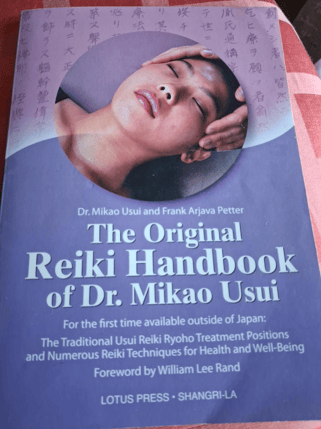
Over the following years, I continued studying Reiki and exploring its Japanese origins. Around the turn of the millennium, I became acquainted with The Original Reiki Handbook of Dr Mikao Usui, compiled by Frank Arjava Petter, and continued following the work of William Lee Rand.

I was particularly interested in traditional Japanese Reiki techniques, including Byosen.

Byosen: Listening Through the Hands

Byosen is a traditional Reiki practice involving attentive observation of sensations experienced through the hands during treatment.

Practitioners may describe sensations such as warmth, tingling, pulsation, heaviness or other changes in perception.

I had incorporated Byosen into my own Reiki practice from around 2000.

Recently, I came across a social media post presenting a step-by-step introduction to Byosen. I smiled to myself.

Here was a technique I had practised for approximately twenty-six years, appearing in my feed as an educational discovery!

Of course, techniques are continually introduced to new generations of practitioners. What is familiar to one person may be entirely new to another.

Nevertheless, it reminded me how much the public presentation of Reiki has changed over the years.

And it prompted me to reflect upon my own journey.

When Experience Was Not Enough: The Question of Lineage

As Reiki became increasingly organised within professional associations, formal qualifications and documented teaching lineages became important for registration.

This presented an interesting difficulty for someone with my background.

My original Reiki teaching had come through my stepfather, whose knowledge had been passed on by a Japanese medical student in Moscow decades earlier.

There was no documentary lineage available for me to produce.

That did not erase what I had learnt or the years I had spent practising. But it did mean that, to meet the requirements of professional registration, I needed recognised documentation.
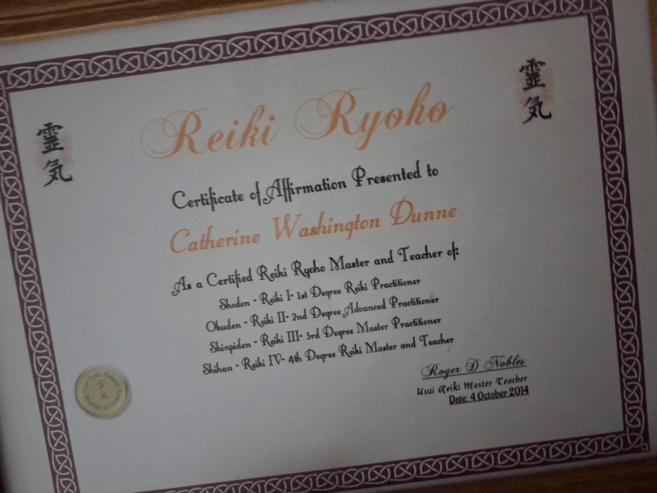
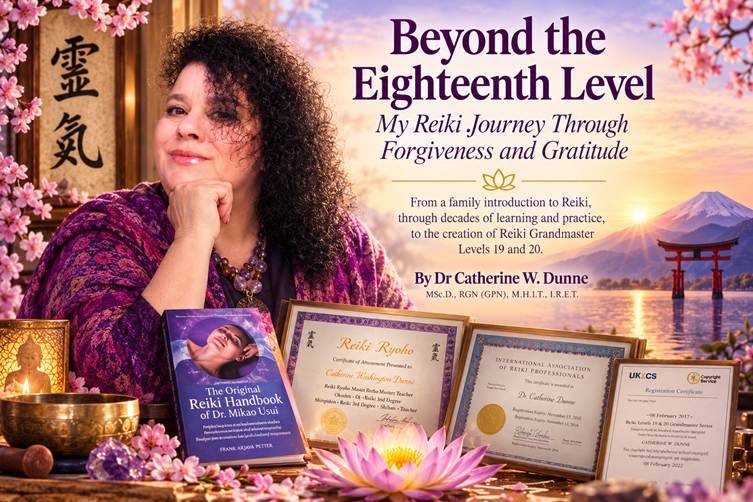
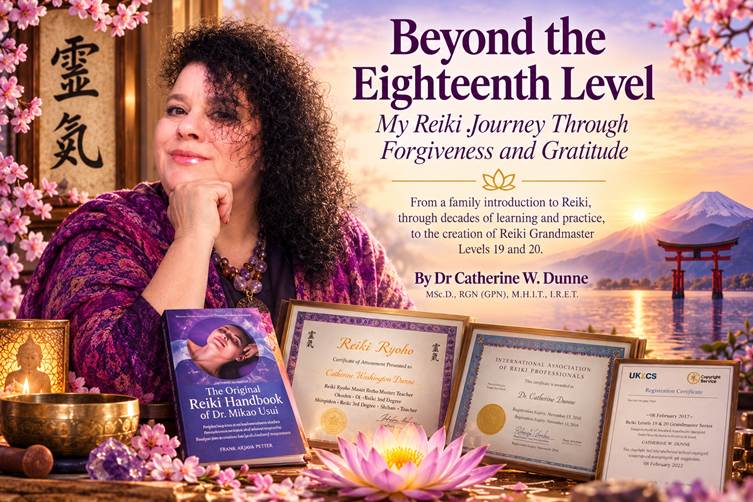
In 2014, I obtained Reiki Ryoho Master and Teacher certification through Roger D. Nobles.

My certificate, dated 4 December 2014, records the Shoden, Okuden, Shinpiden and Shihan stages of Reiki training.
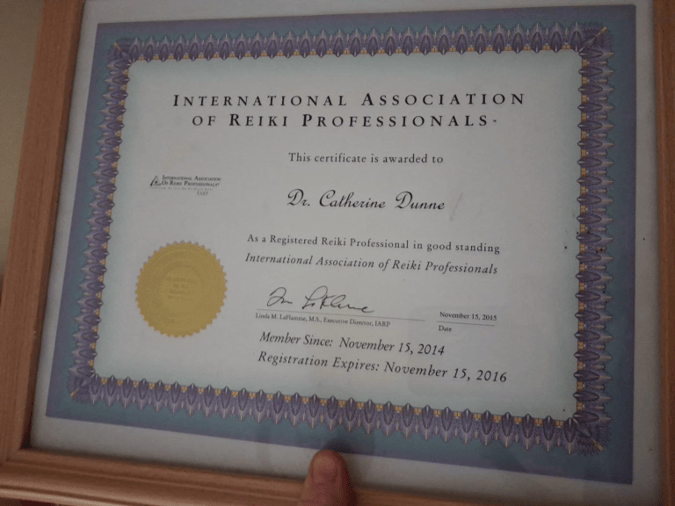
I also became a registered member of the International Association of Reiki Professionals in November 2014.

The documentation fulfilled an administrative and professional purpose.

It was not the beginning of my Reiki journey.

That distinction has always mattered to me.

Certificates can document particular training and registration milestones. They cannot necessarily tell the whole story of how, when or from whom a person first learnt a practice.

The Reiki Grandmaster Series: Why Stop at Eighteen?

Over time, my studies extended into the Reiki Grandmaster Series.

For many years, the extended series I knew comprised eighteen levels.

It is important to distinguish these later Grandmaster teachings from the traditional Reiki Ryoho system associated with Mikao Usui. The extended levels were developed by subsequent practitioners and represent later interpretations and additions, rather than teachings documented as originating with Usui himself.

As I studied and practised, I found myself reflecting on an important question.

If the Grandmaster Series had developed through the experiences and contributions of practitioners, why should its development necessarily end at Level 18?

What made eighteen the final number?

For me, spiritual learning had never been a matter of reaching a particular rank and declaring the journey complete.

Experience continues. Understanding deepens. New perspectives emerge.

And sometimes, those experiences inspire us to share something with others.

Ho’oponopono: The Inspiration Behind Levels 19 and 20

One of the practices that profoundly influenced my thinking was Ho’oponopono.

Through studying its teachings on forgiveness, reconciliation, gratitude and personal reflection, I began considering how these principles might be incorporated into the extended Reiki Grandmaster tradition.

Two concepts stood out to me.

Forgiveness.

Gratitude.

Both are simple words, yet each can represent a lifetime of personal reflection.

Forgiveness does not necessarily mean forgetting what happened, excusing harmful behaviour or abandoning healthy boundaries.

For me, it concerns our relationship with what we have experienced and the possibility of no longer allowing past events to dominate our inner lives.

Gratitude, meanwhile, encourages us to recognise what has been received, what has been learnt and what continues to hold meaning.

Although gratitude already has a place within traditional Reiki philosophy, I wanted to explore these two principles more explicitly within the extended Grandmaster teachings.

And so I developed two additional levels.

Level 19 — Dai Yosha: The Great Forgiveness

I dedicated Level 19 to forgiveness.

Its purpose within my teaching was to encourage reflection on the emotional and spiritual significance of forgiveness, both towards others and towards ourselves.

Level 20 — Dai Kansha: The Great Gratitude

I dedicated Level 20 to gratitude.

For me, gratitude represented a fitting continuation of the journey: an opportunity to acknowledge our experiences, the people who have taught us, and the lessons we carry forward.

These levels were my own contribution to the modern Reiki Grandmaster Series, inspired by my personal experiences and my study of Ho’oponopono.

I was not claiming to add to Mikao Usui’s original teachings.

I was sharing something that had become meaningful within my own spiritual practice.

Not Everyone Agreed!

When I first introduced the idea of Levels 19 and 20, it was not universally welcomed.

I remember a conversation with fellow Reiki practitioner Jay Burrell.

Jay initially challenged the idea that someone could simply add further levels to the existing Grandmaster Series.

My response was straightforward:

Why not? How did the first eighteen levels come about?

My point was not that anyone should claim historical authority for newly developed teachings.

Rather, I believed that if the extended series had evolved through the experiences of practitioners, there was no obvious reason why that process had to stop at eighteen.

Interestingly, Jay subsequently became one of the first practitioners I personally initiated into Levels 19 and 20.

Looking back, I can smile about that exchange.

Sometimes a difference of opinion becomes the beginning of a worthwhile conversation.

And sometimes the person who initially questions an idea becomes one of the first to experience it!

Documenting My Contribution

On 8 February 2017, I registered my original work, Reiki Levels 19 & 20 Grandmaster Series, with the UK Copyright Service.
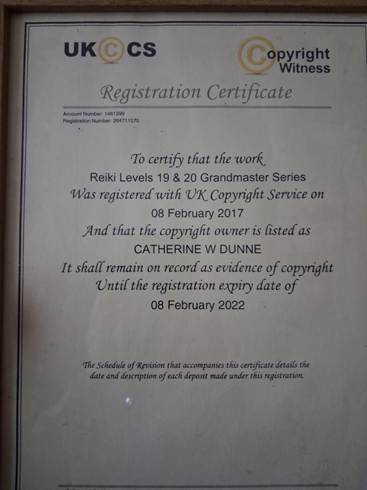
The registration listed me, Catherine W. Dunne, as the copyright owner.

For me, this was an important step in documenting the teaching material I had developed.

The certificate provides a dated record of the deposited work. It should not be confused with a government grant of copyright or with recognition that the material forms part of traditional Usui Reiki.

Over the years, I have seen references to Levels 19 and 20 appear within the wider Reiki community, sometimes with my name acknowledged as their creator.

It is an unusual feeling to encounter something that began as a personal revelation and discover that others have incorporated it into their own learning.

But perhaps that is part of what teaching is about.

We share what we have learnt, and others decide what meaning it holds for them.

More Than a Collection of Certificates

Over the decades, my treatment room has gradually filled with certificates, books, Japanese Reiki symbols, anatomical charts and reminders of the many subjects I have studied.

Some certificates remain on display. Others are rotated because there simply is not enough wall space!
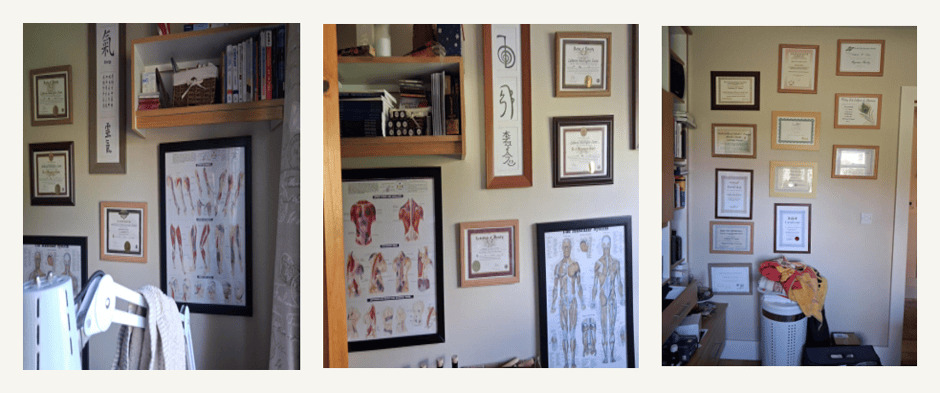
Yet when I look back over my Reiki journey, the certificates are not what I remember most.

I remember the knowledge passed on by my stepfather.

I remember recognising familiar teachings when I encountered Reiki practitioners in Dublin.

I remember discovering more about Japanese Reiki traditions.

I remember the questions, conversations, occasional disagreements and wonderful people I have met along the way.

And I remember the moment I realised that forgiveness and gratitude deserved a particular place within the Grandmaster teaching framework I had come to know.

My professional background in nursing has also taught me the importance of distinguishing personal spiritual experience from established medical knowledge.

Reiki is a complementary practice, not a substitute for medical assessment or treatment. My reflections here concern its personal, philosophical and spiritual significance rather than claims of medically proven effects.

For me, these different areas of learning have encouraged a continuing curiosity about the human experience.

Beyond Reiki: The Evolution of My Healing Practice

As the years passed, my journey did not remain confined to Reiki.

My curiosity led me to explore and study numerous other approaches to energy healing and holistic wellbeing, including Daoist energy practices, chakra healing, crystal therapy, colour and sound vibrational therapies, acupressure, dowsing, Ho’oponopono and other complementary modalities.

Each offered a different perspective, a different understanding and another opportunity to broaden my experience.

Over time, I came to realise that I no longer regarded myself exclusively as a Reiki practitioner.

Today, I describe myself as an Energy Practitioner Therapist.

Rather than working within the boundaries of one particular healing system, I draw upon the knowledge, techniques and experiences I have accumulated over the years.

No two clients are alike. Their circumstances, preferences and reasons for seeking support differ, and so does my approach.

Sometimes Reiki may form part of a session. At other times, I may incorporate elements of other complementary practices, depending upon what feels appropriate for the individual at that particular moment.

I do not believe that every person requires the same approach simply because they have booked the same type of appointment.

For me, holistic practice has always been about recognising the individual rather than following a rigid formula.

My nursing background has also reinforced the importance of listening, observation, professional judgement and understanding the limits of complementary therapies.

And perhaps that is one of the greatest lessons my journey has taught me.

I do not need to choose between the different traditions I have studied. I can appreciate what each has contributed to my understanding while remaining mindful of the needs, choices and wellbeing of the person in front of me.

Reiki will always hold a special place in my life, particularly because of the family connection through which I first encountered it.

But today, it is one part of a much broader journey.

And that journey continues.

Final Reflections: The Journey Does Not End at a Number

When I introduced Levels 19 and 20, I was not seeking another title or a higher rank.

I was responding to something I had learnt.

The Grandmaster Series had long contained eighteen levels, but I did not believe that personal understanding must end simply because a teaching system had reached a particular number.

Forgiveness and gratitude had become meaningful principles within my own journey, and I wanted to share them.

Whether others choose to incorporate those teachings into their practice is entirely their decision.

What matters to me is the intention behind their creation.

After all these years, I continue to believe that learning should remain an open door.

We can respect tradition while recognising the difference between historical teachings and later personal contributions.

We can acknowledge our teachers while continuing to develop our own understanding.

And perhaps, above all, we can remember that no certificate, title or number can fully describe the experiences that shape a person’s journey.

My Reiki story began with knowledge passed from one generation to another.

My contribution of Levels 19 and 20 was simply another chapter in that continuing story.

And if I were to leave readers with two thoughts from that chapter, they would be these:

May we find the wisdom to forgive.

And may we never forget the importance of gratitude.

Catherine

CWD | 23 Oct 2026 | Ireland

Dr Catherine W. Dunne
Holistic Healthcare Wexford
Integrative · Mindful · Patient-Centred
Co-Founder, Aumvedas Academy
Creator of Reiki Grandmaster Levels 19 and 20


Author’s note: This article is a personal account of my experiences and contributions to the extended Reiki Grandmaster tradition. Historical family recollections are presented as they were passed down to me. The extended Grandmaster levels should not be confused with the original teachings of Mikao Usui.

About the Author

Dr Catherine W. Dunne, MSc.D., RGN, is a Registered General Nurse with over 38 years of clinical experience and an extensive background in complementary and holistic healthcare. She is the founder of Holistic Healthcare Wexford and co-founder of Aumvedas Academy.

Her journey with Reiki began through family teachings, long before formal training and professional registration became central features of Western Reiki practice. Over the decades, she has studied and practised numerous energy healing traditions, including traditional Japanese Reiki techniques, Daoist energy practices, chakra therapy, dowsing and Ho’oponopono.

In 2017, Catherine formally documented her original contribution to the extended Reiki Grandmaster Series: Level 19, Dai Yosha (The Great Forgiveness), and Level 20, Dai Kansha (The Great Gratitude).

Today, she describes herself as an Energy Practitioner Therapist, drawing upon her knowledge of different complementary modalities to provide an individualised approach to holistic wellbeing.

Based in County Wexford, Ireland, Catherine continues to combine her clinical nursing background with her lifelong interest in holistic education, personal development and energy healing.

Disclaimer

This article is a personal and historical reflection on the author’s Reiki journey, experiences and contributions to the extended Reiki Grandmaster Series.

Reiki and other energy healing practices are complementary approaches and are not substitutes for medical diagnosis, treatment or professional healthcare. References to energy, chakras and spiritual healing concepts reflect traditional and personal interpretations rather than established medical or scientific findings.

Readers should seek appropriate advice from qualified healthcare professionals regarding their individual health needs.

AI and Image Disclaimer

This article is based on the author’s personal experiences, recollections, original teaching materials and historical documentation.

Unless otherwise stated, the photographs of certificates, books and treatment-room interiors are from the author’s personal collection.

AI-assisted design tools have been used to create the article’s feature image and may be used to enhance visual presentation. Any AI-generated representations of historical documents are illustrative and should not be regarded as exact reproductions of the originals.

The personal history, experiences and educational perspectives presented in this article remain those of the author.
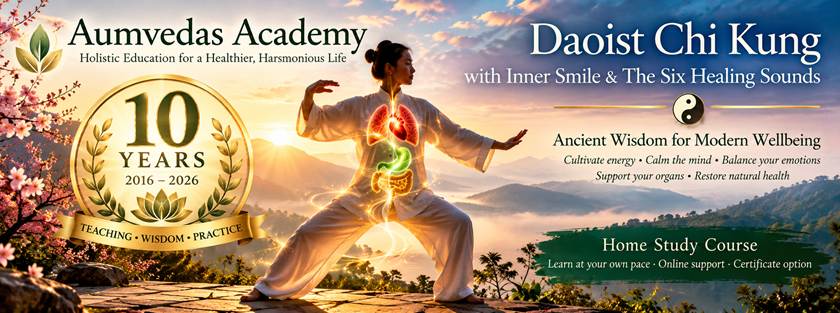
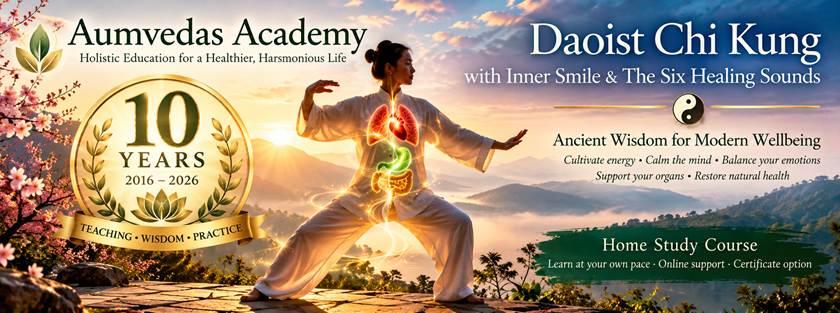
AA 10th Anniversary Daoist Chi Kung

Emotional Wisdom: Have We Forgotten How to Listen to the Body?

By Dr Catherine W. Dunne, MSc.D., RGN (GPN), M.H.I.T., I.R.E.T.

Ancient observations, modern physiology and the Daoist art of paying attention

Featured image: Aumvedas Academy – Daoist Chi Kung, 10 Years (2016–2026)

For generations, we have become accustomed to thinking about the body in parts. The heart belongs to cardiology. The stomach belongs to gastroenterology. The kidneys belong to nephrology. Our emotions, meanwhile, are often placed into an entirely different box.

Yet anyone who has experienced fear, grief, anger or anxiety knows that emotions are not experienced only in the mind. Fear can make the heart race. Anxiety can tie the stomach into knots. Grief can alter our breathing. Anger can produce heat, tension and a very physical sense of agitation.

Our everyday language still carries this understanding. We speak of something being gut-wrenching. We are sick with worry. We need to get something off our chest. We feel butterflies in our stomach. Something makes our blood boil.

Perhaps our bodies and emotions were never as separate as modern life has encouraged us to believe.

An Older Understanding of Health

Long before laboratories, imaging and modern diagnostic medicine, people had to become extraordinarily careful observers. They watched the seasons, understood local plants, observed changes in the body and developed cultural explanations for relationships between emotion, environment, lifestyle and illness.

European folk healers, wise women, herbalists, traditional medicine people and other healing traditions did not all share one universal organ-emotion map. Their beliefs and practices differed greatly across place and time. What is striking, however, is how often older systems considered the person in a broader context: body, mind, environment, community and, in many traditions, spirituality.

Some of that knowledge survived. Some evolved. Some was rejected as medicine changed. And some simply faded from everyday memory.

The Daoist Understanding of Emotional Wisdom

Daoist and traditional Chinese medical traditions developed a particularly detailed framework linking the Five Elements, internal organ systems and emotional qualities. Classical Chinese medical literature has discussed relationships between emotion and the five Zang organ systems for more than two millennia. Importantly, these traditional ‘organs’ are not identical to the anatomical organs of modern Western medicine; they belong to a broader functional system that includes physiological and psychological relationships [1–3].

Within the Aumvedas Academy course material, the Inner Smile and Six Healing Sounds focus on five principal organ systems: heart, lungs, kidneys, liver/gallbladder and stomach/spleen. The course explores traditional associations between these systems and emotional qualities, together with the idea of transforming difficult emotional energy into corresponding virtues.

Traditional organ/systemChallenging emotional qualitiesCultivated qualities
HeartArrogance, hate, impatienceKindness, love, joy
LungsSadness, depression/griefCourage, righteousness/strength
KidneysFearGentleness, kindness/wisdom
Liver / gallbladderAngerGenerosity, kindness/forgiveness
Stomach / spleenWorry, anxietyOpenness, fairness/trust

The point is not that a healthy person should never feel anger, fear, grief or worry. These are human emotions. The traditional practice is concerned with awareness, balance and transformation rather than simply suppressing what we feel.

Instead of asking, “How do I get rid of this emotion?” we might ask, “What is this emotion telling me, where do I experience it in my body, and what happens when it becomes persistent?”

When Emotion Becomes Physical

Here, traditional observation and modern physiology can have an interesting conversation without pretending that they are the same medical system.

Modern medicine does not establish that anger simply causes liver disease, that grief causes lung disease, or that fear directly causes kidney disease. Those statements would turn a traditional symbolic and functional framework into a modern biomedical claim it cannot support.

What modern physiology does show very clearly is that stress is physical as well as emotional. During the stress response, hormones are released, heart rate and breathing rate rise, blood pressure can increase, muscles tense and other body functions change. Long-term or chronic stress may contribute to or worsen problems including digestive and sleep disorders, and prolonged stress responses are associated with wider neuroendocrine, metabolic, immune and inflammatory effects [4,5].

So the useful bridge is not ‘one emotion equals one disease’. It is the recognition that emotional experience can produce genuine bodily responses, and that persistent stress can matter to health.

That does not mean every illness has an emotional cause. It means emotional wellbeing deserves a place in our understanding of physical wellbeing.

Have We Lost the Art of Listening?

Modern healthcare can measure the body with extraordinary precision: blood pressure, glucose, cholesterol, hormones, kidney function, liver enzymes, oxygen saturation and countless other markers. Those advances matter enormously.

Traditional practices should never be used as a reason to ignore persistent symptoms, delay medical assessment or replace appropriate investigation and treatment.

But alongside measuring the body, there may still be value in listening to it.

What happens in your body when you are frightened? Where do you feel grief? What changes when you have worried for weeks? What does anger physically feel like? Do you notice those signals, or have you become accustomed to overriding them?

These are simple questions. They can also be revealing.

Rediscovering Emotional Wisdom

Daoist Chi Kung contains practices intended to cultivate this internal awareness. Among them are the Inner Smile and the Six Healing Sounds. Within the traditional framework, these practices work with attention, breath, sound, movement, the organ systems and emotional qualities.

They sit within a much larger body of teaching that includes Yin and Yang, the Five Elements, Chi, organ relationships and traditional daily cycles.

And that is where I am deliberately going to stop.

A centuries-old system deserves rather more than a five-minute internet summary.

Celebrating 10 Years of Aumvedas Academy

2026 marks ten years of Aumvedas Academy: 2016–2026.

For a decade, the Academy has provided home-study education in holistic and traditional approaches to wellbeing, giving students the opportunity to explore these subjects in considerably greater depth than is possible in a short article.

As part of our tenth-anniversary year, I am delighted to bring renewed attention to one of our established home-study programmes:

DAOIST CHI KUNG
with Inner Smile & The Six Healing Sounds

The course explores Chi, Yin and Yang, the Five Elements, traditional organ-emotion relationships, the Inner Smile, the Six Healing Sounds, the 24-hour Chi cycle and practical exercises. Students study at home and at their own pace, followed by online examination through Aumvedas Academy.

Course Fee: €190

AUMVEDAS ACADEMY COURSE

Final Thoughts

Perhaps emotional wisdom is not something entirely new that we need to discover. Perhaps part of it is something very old that we need to remember.

Our ancestors did not have today’s laboratories, scanners or understanding of physiology, but generations of human beings carefully observed relationships between how we live, how we feel and how the body responds.

Modern medicine gives us extraordinary tools for understanding health and disease. Traditional practices can offer another kind of tool: an invitation to pay attention. The two need not be enemies.

Sometimes the first step is simply learning to listen again.

I hope you feel inspired to become a little more curious about the conversations taking place between your emotions and your physical body, and perhaps to explore some of the traditional wisdom that has sought to understand that relationship for centuries.

Look after your body, and it will help look after you.

Catherine

CWD | 03 Oct 2026 | Ireland

Holistic Healthcare Wexford
Integrative · Mindful · Patient-Centred

References

  1. Traditional Chinese Medicine and Clinical Pharmacology. Frontiers in Pharmacology / PMC. Overview of Yin-Yang, Five Elements and organ correspondences in the Huang Di Nei Jing.
  2. An East Meets West Approach to the Understanding of Emotion Dysregulation in Depression: From Perspective to Scientific Evidence. Frontiers in Psychology / PMC. Discussion of the traditional five-viscera emotion framework and its distinction from Western anatomical organ concepts.
  3. Emotion-Focused Therapy: A Perspective From Traditional Chinese Medicine. Integrative Psychological and Behavioural Science / PMC. Historical discussion of emotion in the Huangdi Neijing and later Chinese medical case traditions.
  4. National Center for Complementary and Integrative Health (NCCIH). Stress. National Institutes of Health. Overview of the physiological stress response and health effects of chronic stress.
  5. National Center for Complementary and Integrative Health (NCCIH). Press Reset on Stress. National Institutes of Health. Summary of chronic stress effects on sleep, metabolism, immune regulation and inflammation.
  6. Aumvedas Academy. DAOIST Chi Kung with Inner Smile and The 6 Healing Sounds. Home-study course manual. Course material used for the descriptions of the Aumvedas programme and its traditional organ-emotion teaching.

About the Author

Dr Catherine W. Dunne MSc.D. is a Registered General Nurse with over 37 years of clinical experience, including extensive experience in primary care and General Practice Nursing in Ireland. Alongside her work in General Practice Nursing, she is the founder of Holistic Healthcare Wexford and co-founder of Aumvedas Academy.

With a background that bridges conventional medicine and holistic practice, Catherine has a particular interest in the area where patients are often told “everything is normal,” yet still feel unwell. Her work focuses on helping people understand what their body is communicating, especially in relation to energy, stress, metabolic function, and recovery.

Through a combination of clinical knowledge and holistic support, she works with individuals to restore balance, improve resilience, and support long-term wellbeing.

Based in Wexford, Ireland.

Disclaimer:

This article is for informational and educational purposes only and is not intended as medical advice. It does not replace consultation with a qualified healthcare professional. Patients should always seek appropriate medical guidance regarding their individual health needs and before making changes to treatment or care.

AI-Disclaimer:

About the images: Unless otherwise stated, the photographs used throughout this library are the author’s own. AI-assisted design tools may be used to create educational layouts, improve presentation, and incorporate Holistic Healthcare Wexford branding. The botanical content and educational purpose remain those of the author.
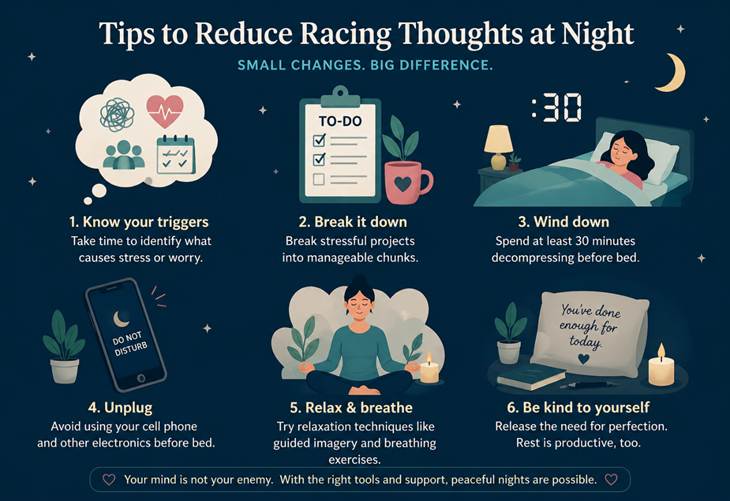
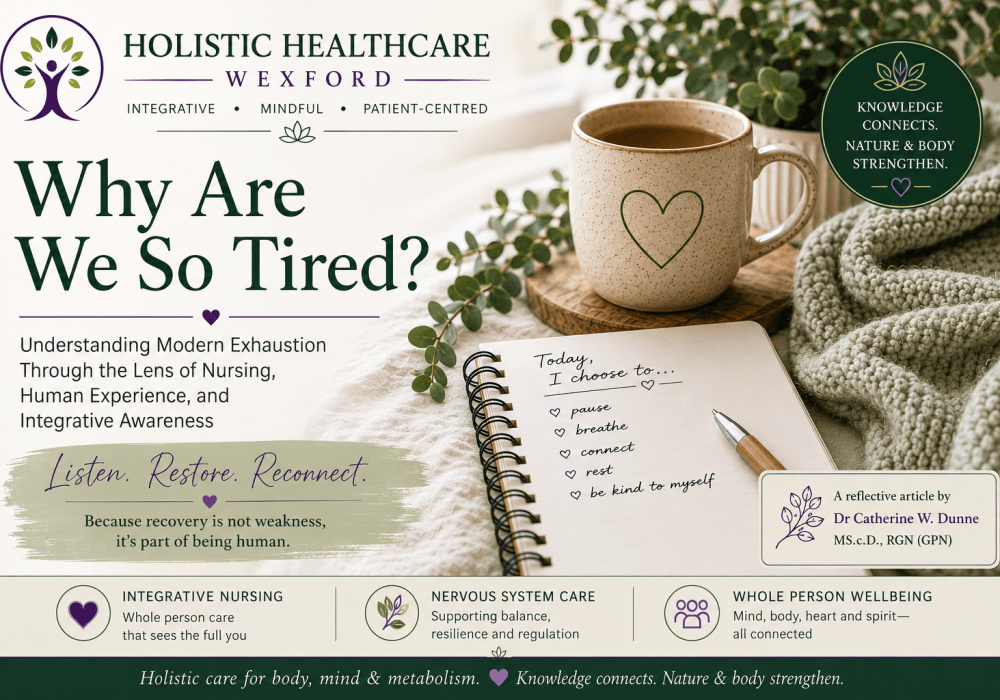
Why Are We So Tired?

A Nurse’s Reflection on Exhaustion in Modern Life

The Quiet Epidemic Nobody Seems to Talk About Properly

By Dr Catherine W Dunne MSc.D | M.H.I.T. | Registered Nurse

Abstract

Modern fatigue is increasingly presenting as more than simple tiredness. Across healthcare settings, many individuals describe feeling persistently exhausted despite “normal” investigations, adequate sleep, or attempts at lifestyle change. Terms such as burnout, stress, and fatigue have become commonplace, yet the deeper physiological, emotional, and environmental contributors are often overlooked or fragmented within modern healthcare discussions.

This reflective article explores exhaustion through the lens of contemporary life, nursing experience, and integrative awareness. Factors such as chronic stress activation, nervous system overload, poor restorative sleep, nutritional depletion, emotional burden, overstimulation, social disconnection, and the loss of natural recovery rhythms are considered within the wider context of modern living.

Rather than presenting fatigue as a single diagnosis, this article examines how persistent exhaustion may represent a cumulative response of the body and mind attempting to adapt to prolonged physical, psychological, and environmental strain. It also reflects on the growing number of individuals who report feeling “wired but tired” — functioning outwardly while internally depleted.

Drawing upon observations from clinical nursing practice and holistic care settings, the article encourages a more compassionate, whole-person approach to understanding fatigue. It highlights the importance of listening to patient experiences, recognising the multifactorial nature of exhaustion, and restoring space for recovery, rest, human connection, and nervous system regulation within both healthcare and daily life.

Ultimately, the article asks a question many people are quietly carrying:
Why are we so tired — and what might the body be trying to tell us?

Introduction

People are tired in a way that sleep alone no longer seems to fix.

Not simply “a bit run down,” but deeply depleted — mentally overloaded, emotionally stretched, physically exhausted, yet somehow still expected to continue functioning normally.

As a nurse, I increasingly hear the same quiet phrases repeated in different ways:
“I’m exhausted all the time.”
“My blood tests are normal.”
“I just don’t feel like myself anymore.”
“I’m sleeping, but I still wake up tired.”

Many people describe living in a constant state of being “wired but exhausted” — unable to fully switch off, yet struggling to restore energy no matter how much they rest. Modern life has normalised chronic stress, overstimulation, poor recovery, emotional strain, irregular sleep, constant digital exposure, and the pressure to remain productive even when the body is clearly asking for pause.

Fatigue itself is not a diagnosis. It is often a signal.

Sometimes it reflects physical imbalance. Sometimes emotional overload. Sometimes nutritional depletion, stress physiology, poor sleep quality, burnout, hormonal shifts, chronic inflammation, or the cumulative weight of simply carrying too much for too long.

Perhaps one of the most important questions we should be asking is not simply:
“How do we push through exhaustion?”
…but rather:
“Why are so many people becoming exhausted in the first place?”

This article is not about fear or quick fixes. It is a reflection on modern exhaustion through the lens of nursing, human experience, and integrative awareness — and a reminder that recovery is not weakness, but an essential part of health itself.

The Modern Nervous System: Always “On”

Human beings were not designed to live in a constant state of alertness.

Yet for many people, this has quietly become normal.

The modern nervous system is under relentless pressure. Notifications, noise, financial strain, emotional demands, poor sleep, overstimulation, shift work, caregiving responsibilities, uncertainty, and the expectation to remain constantly available all place the body into a prolonged state of low-grade stress activation. Over time, this continuous “background stress” can begin affecting both physical and emotional wellbeing.

Many individuals describe feeling unable to fully relax, even during rest. They may sit down in the evening physically exhausted, yet mentally unable to switch off. Others wake during the night with racing thoughts, feel tense without obvious reason, or rely heavily on caffeine, sugar, or adrenaline simply to get through the day.

This state is often described as being:
“wired but tired.”

From a physiological perspective, prolonged stress activation affects far more than mood alone. Chronic activation of stress pathways may influence sleep quality, digestion, blood sugar regulation, immune function, inflammation, muscle tension, concentration, hormonal balance, and overall energy production. The body can continue functioning for long periods under stress — but often at the expense of proper restoration and recovery.

Importantly, exhaustion is not always visible.

Many people who are struggling still continue to work, care for families, attend appointments, smile socially, and meet responsibilities. Outward functioning does not always reflect internal wellbeing. Some individuals become so accustomed to operating under stress that exhaustion begins to feel “normal.”

In healthcare settings, this can sometimes create frustration for both patients and practitioners. Investigations may appear broadly reassuring, yet the individual sitting in front of the clinician still feels profoundly unwell, depleted, or disconnected from their usual self. This does not mean symptoms are imaginary. It may instead reflect the complex and multifactorial nature of fatigue itself.

The body has remarkable ways of adapting and compensating. However, adaptation is not the same as restoration.

At some point, the nervous system eventually asks to be listened to.

Rest Is No Longer Truly Rest

One of the quieter changes in modern life is that many people rarely experience genuine rest anymore.

Even during moments that appear restful externally, the mind often remains continuously engaged. Phones, television, social media, news cycles, emails, background noise, and constant streams of information keep the brain stimulated long after the body has physically stopped moving. Silence has become unfamiliar for many people.

There was once greater recognition of recovery as a necessary part of health. Rest was not always viewed as laziness or lack of productivity. Time outdoors, slower evenings, conversation, community, shared meals, and periods of stillness were naturally woven into daily life. Today, many people move from one demand directly into another without any meaningful pause between them.

The body, however, still requires recovery rhythms.

Sleep quantity alone does not necessarily equal restoration. A person may spend eight hours in bed and still wake feeling exhausted if the nervous system has remained in a heightened stress state throughout the night. Emotional strain, unresolved stress, poor sleep quality, hormonal changes, overstimulation, chronic worry, alcohol, excessive screen exposure, irregular schedules, and metabolic imbalance may all affect the body’s ability to properly restore itself during sleep.

Many individuals now describe feeling tired from the moment they wake. Others experience a temporary surge of energy late in the evening, only to struggle sleeping when finally given the opportunity to rest. This pattern of exhaustion combined with internal overstimulation has become increasingly common.

Modern culture often rewards endurance rather than recovery. People are praised for pushing through fatigue, multitasking constantly, remaining available at all hours, and continuing despite obvious exhaustion. Yet the body does not function indefinitely without consequence.

There is also an emotional dimension to exhaustion that is frequently overlooked. Many people are carrying invisible burdens — grief, caregiving responsibilities, financial strain, loneliness, uncertainty, emotional stress, or the simple weight of prolonged overwhelm. Emotional fatigue can manifest physically in profound ways, affecting sleep, appetite, immunity, energy levels, pain perception, and concentration.

Sometimes the body is not failing.

Sometimes it is responding exactly as a chronically overwhelmed human body would be expected to respond.

Rest, therefore, should not be viewed as a luxury. It is a biological requirement. Recovery is not weakness, but part of how the human system repairs, regulates, and continues functioning over time.

When “Normal” Does Not Feel Normal

One of the most difficult experiences for many individuals is being told that everything appears “normal” while continuing to feel profoundly unwell.

In clinical practice, this situation is increasingly common. Blood tests may fall within laboratory reference ranges, scans may show no major abnormality, and outwardly the individual may appear to be coping reasonably well. Yet underneath this, the person may still be experiencing persistent fatigue, brain fog, poor concentration, low motivation, disrupted sleep, muscle tension, emotional exhaustion, or a general sense that “something is not right.”

This can become deeply frustrating and isolating.

It is important to recognise that laboratory investigations are valuable tools, but they do not always fully capture the lived human experience of stress, depletion, overload, or early physiological imbalance. Health exists on a spectrum, and people do not suddenly move from “well” to “unwell” overnight. Often there is a long period in between where the body is compensating, adapting, and quietly struggling before more obvious dysfunction develops.

Fatigue itself is also rarely caused by one single factor alone.

Poor sleep quality, chronic stress activation, nutritional deficiencies, emotional strain, low sunlight exposure, irregular eating patterns, blood sugar instability, hormonal fluctuations, sedentary lifestyles, inflammatory processes, social isolation, and persistent overstimulation may all interact together over time. Modern exhaustion is often cumulative.

In some cases, people become so accustomed to functioning in survival mode that they no longer recognise what genuine wellbeing feels like. Constant tension, mental busyness, shallow breathing, poor concentration, and low-level exhaustion become accepted as “normal adult life.”

But functioning is not necessarily the same as thriving.

There is also growing recognition within healthcare that stress physiology itself has significant effects throughout the body. Prolonged nervous system activation may influence digestion, immune responses, cardiovascular health, sleep regulation, hormonal balance, pain sensitivity, and energy production. The mind and body are not separate systems operating independently of one another; they are deeply interconnected.

This does not mean every symptom has a simple explanation, nor should persistent fatigue ever be dismissed without appropriate medical assessment. Ongoing exhaustion deserves proper evaluation, particularly when accompanied by symptoms such as weight loss, pain, breathlessness, persistent low mood, fever, neurological symptoms, or significant functional decline.

However, alongside appropriate investigation, there may also be value in asking broader questions:
How is this person sleeping?
How stressed are they?
What are they carrying emotionally?
Are they resting properly?
How nourished is the nervous system itself?

Sometimes healing begins not with finding a dramatic diagnosis, but with recognising that the human body has been attempting to cope with prolonged overload for far too long.

The Loss of Natural Recovery Rhythms

Human beings once lived far more closely alongside the rhythms of nature, light, movement, community, and rest. While modern life has brought extraordinary advances in medicine, technology, and communication, it has also quietly altered many of the basic patterns that once supported physical and emotional wellbeing.

Today, many people spend the majority of their time indoors, under artificial lighting, sitting for prolonged periods, disconnected from natural daylight, fresh air, and restorative environments. Meals are often rushed, sleep schedules irregular, and silence increasingly rare. Even moments of pause are frequently filled with screens, scrolling, or mental stimulation.

The body, however, still responds to ancient biological rhythms.

Natural light exposure influences circadian regulation, sleep quality, hormonal balance, and mood. Gentle movement supports circulation, lymphatic flow, joint health, and nervous system regulation. Time spent outdoors has repeatedly been associated with reduced stress levels, improved mental wellbeing, and improved recovery from cognitive fatigue. Human connection, meaningful conversation, and social belonging also play important roles in emotional resilience and overall health.

Many older traditions understood this instinctively.

  • Rest after illness was expected.
  • Recovery periods were respected.
  • People sat together more.
  • Meals were slower.
  • Children played outdoors.
  • Communities gathered.
  • Silence existed naturally within daily life.

Modern society often moves at a pace that leaves little room for these restorative experiences. Productivity has become heavily prioritised, while recovery is frequently postponed until the body forces it through exhaustion, illness, burnout, anxiety, or emotional collapse.

There is also increasing recognition that constant stimulation itself may contribute to fatigue. The human brain is continually processing information — notifications, advertising, headlines, noise, social comparison, emotional content, and endless digital input. Even during periods that appear physically inactive, the nervous system may remain highly engaged.

This continuous demand for attention can gradually erode the body’s capacity for restoration.

For some individuals, healing may not begin with doing more, but with reducing overload. Creating space for recovery does not necessarily require dramatic lifestyle changes. Sometimes the most meaningful interventions are also the simplest:

  • better sleep habits,
  • regular meals,
  • time outdoors,
  • gentle movement,
  • quiet moments,
  • human connection,
  • laughter,
  • breathing space,
  • and permission to rest without guilt.

These are not insignificant things.

They are part of how the human system regulates, repairs, and remembers balance.

Listening to What Exhaustion May Be Saying

Fatigue is often treated as something to fight against, suppress, or simply “push through.” Modern culture frequently encourages people to override the body’s signals in order to remain productive, available, and functioning at all costs. Yet exhaustion itself may sometimes be one of the body’s clearest forms of communication.

The body has remarkable resilience and can compensate for long periods of strain. People often continue caring for others, attending work, meeting responsibilities, and maintaining daily routines long after their internal reserves have become depleted. Eventually, however, the body begins asking for attention in quieter ways:

  • persistent tiredness
  • poor concentration
  • irritability
  • sleep disturbance
  • muscle tension
  • frequent illness
  • low motivation
  • emotional overwhelm
  • or a sense of feeling disconnected from oneself.

These experiences should not automatically be dismissed as weakness, laziness, or personal failure.

In many cases, exhaustion represents the cumulative effect of prolonged stress, insufficient recovery, emotional burden, nutritional imbalance, disrupted sleep, chronic overstimulation, or simply living too long in a constant state of survival mode. The body is not separate from life experience. What a person carries mentally and emotionally often manifests physically over time.

Healthcare itself is increasingly recognising the importance of whole-person approaches to wellbeing. While medical investigation remains essential when symptoms persist, there is also growing awareness that health cannot always be reduced solely to laboratory values or isolated symptoms. Human beings are complex, adaptive systems influenced by physiology, environment, emotion, lifestyle, relationships, and stress.

Sometimes what people need most initially is not another demand placed upon them, but permission to pause long enough to recognise how exhausted they have actually become.

This does not mean abandoning responsibility or avoiding appropriate medical care. Rather, it means acknowledging that restoration is a legitimate and necessary part of health. Rest, nutrition, movement, sleep, emotional support, boundaries, meaningful connection, and nervous system regulation are not luxuries; they are foundational aspects of human wellbeing.

Perhaps one of the most important shifts we can make is moving away from asking:
“How much more can I force myself to endure?”
…and beginning instead to ask:
“What is my body trying to tell me?”

Exhaustion may not always be the enemy.

Sometimes it is the body asking, as gently as it can, to finally be heard.

Conclusion

Perhaps one of the defining characteristics of modern life is that exhaustion has become so common that many people now consider it normal.

People continue functioning while depleted.
They work while exhausted.
Care for others while emotionally overwhelmed.
Push through stress while disconnected from recovery, rest, and restoration.

Yet the human body was never designed to exist in a constant state of pressure without consequence.

Fatigue is rarely caused by one single issue alone. More often, it reflects the combined effects of prolonged stress, poor recovery, emotional burden, nutritional imbalance, disrupted sleep, overstimulation, environmental pressures, and the gradual loss of the natural rhythms that once supported human wellbeing.

Importantly, exhaustion should not simply be ignored, normalised, or dismissed. Persistent fatigue deserves appropriate medical assessment and careful clinical evaluation, particularly where symptoms are ongoing, worsening, or accompanied by other physical or psychological concerns. At the same time, there is also value in recognising that many individuals today are living under levels of sustained stress and overload that the body is quietly struggling to adapt to.

Modern healthcare faces an important challenge: not only treating disease, but understanding the growing gap between outward functioning and genuine wellbeing.

  • Listening matters
  • Rest matters.
  • Recovery matters.
  • Human connection matters

Sometimes the most important step is not pushing harder, but creating enough stillness to recognise that the body has been asking for help for quite some time.

As both healthcare professionals and individuals, perhaps we need to begin viewing exhaustion not simply as an inconvenience to overcome, but as a signal worthy of attention, compassion, and deeper understanding.

Because perhaps the real question is not only:
“Why are we so tired?”
…but also:
“What kind of life have we created that so many people no longer remember what true rest feels like?”

I hope you feel inspired. Look after your body, and it will keep you healthy.

Catherine

CWD | 22.May. 2026 | Ireland

Holistic Healthcare Wexford
Integrative · Mindful · Patient-Centred

About the Author

Dr Catherine W. Dunne MSc.D. is a Registered General Nurse with over 37 years of clinical experience in primary care in Ireland. Alongside her work in General Practice Nursing, she is the founder of Holistic Healthcare Wexford and co-founder of Aumvedas Academy.

With a background that bridges conventional medicine and holistic practice, Catherine has a particular interest in the area where patients are often told “everything is normal,” yet still feel unwell. Her work focuses on helping people understand what their body is communicating, especially in relation to energy, stress, metabolic function, and recovery.

Through a combination of clinical knowledge and holistic support, she works with individuals to restore balance, improve resilience, and support long-term wellbeing.

Based in Wexford, Ireland.

Disclaimer

This article is for informational and educational purposes only and is not intended as medical advice. It does not replace consultation with a qualified healthcare professional. Patients should always seek appropriate medical guidance regarding their individual health needs and before making changes to treatment or care.

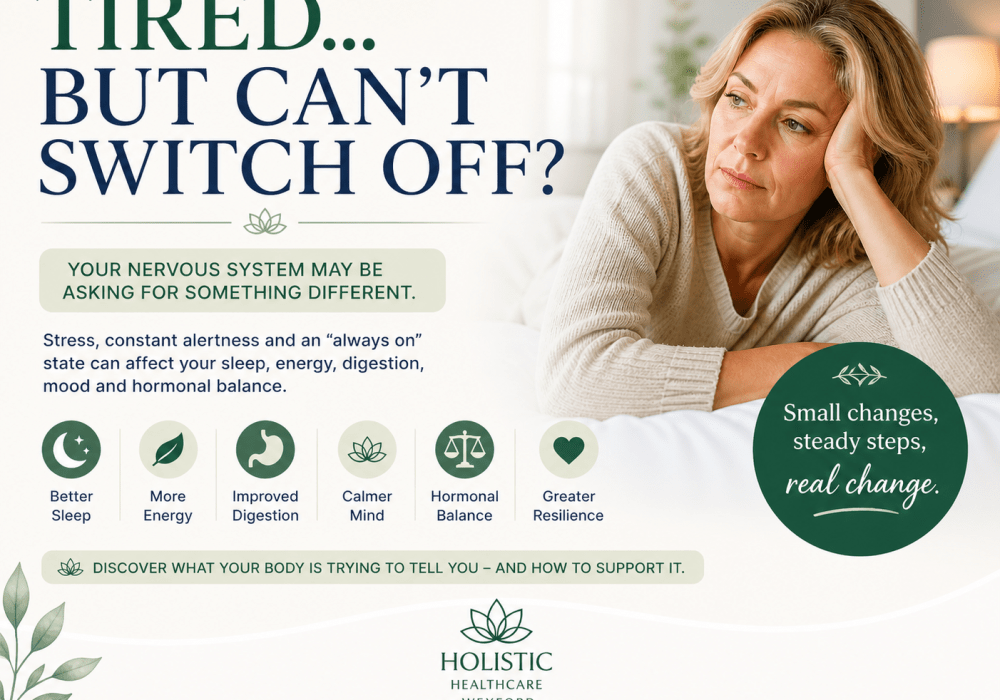
What Your Nervous System Is Trying to Tell You

You can feel it… but you can’t always explain it

Many people describe it in similar ways:

“I’m tired, but I can’t switch off.”
“My mind keeps going.”
“I feel on edge for no real reason.”

You might not call it your nervous system.
But that is often exactly where this begins.

The body is not designed to stay “on” all the time

The nervous system has one very important job: to respond to what is happening around you, and then help the body return to a state of rest once the moment has passed.

In today’s world, that second part is often missing.

Instead, the body remains in a low level of alertness for much of the day. Not dramatic.

“Not obvious. Just constant.”

That constant background tension can slowly wear people down without them fully realising it.

By Dr Catherine W. Dunne, MSc.D., RGN (GPN), M.H.I.T.
Holistic Healthcare Wexford

What that can feel like

It does not always show up as “stress” in the way people expect. More often, it can feel like:

  • difficulty switching off
  • light or broken sleep
  • waking tired
  • tension in the shoulders, jaw, or chest
  • digestive discomfort
  • feeling overwhelmed by small things
  • irritability or low patience
  • feeling unlike yourself

Many people simply say:

“I don’t feel like myself.”

Why this matters more than people realise

When the body stays in this state for too long, it begins to affect how everything else functions.

Energy begins to dip.
Sleep becomes lighter and less restorative.
Digestion may slow or become unsettled.
Hormonal balance can begin to shift.
Focus and resilience may drop.

Over time, the body is no longer recovering properly. That is often when people begin to feel persistently off.

This is where things get missed

Standard tests can still come back as “normal”.

Because this is not always about disease. It is often about how the system is functioning.

The nervous system plays a central role in sleep, digestion, stress tolerance, hormones, mood, and overall resilience. When it is under strain, the whole body can feel the effects.

What the body may be asking for

Often, it is not asking for more pressure, pushing, or stimulation.

It may be asking for:

  • regular quiet moments
  • proper rest without guilt
  • less constant input
  • steadier routines
  • movement that calms rather than exhausts
  • deeper breathing
  • support and reassurance
  • time to recover

This is not weakness. It is physiology.

How this is supported in practice

In clinic at Holistic Healthcare Wexford, this is a pattern I see often. People arrive believing they need to “try harder”, when in truth many need the opposite.

The focus is often on helping the body feel safe enough to settle again. When that begins to happen, people commonly notice:

  • deeper sleep
  • clearer thinking
  • improved energy
  • less internal tension
  • better coping capacity
  • a sense of calm returning

Sometimes later life is when we finally notice the patterns that were there all along.

What you can start doing now

Keep it simple. The nervous system responds well to consistency, not perfection.

  • Step away from stimulation for short periods during the day
  • Get morning daylight where possible
  • Reduce doom-scrolling and late-night screen time
  • Eat regularly and stay hydrated
  • Walk outdoors, especially in nature
  • Notice jaw and shoulder tension and consciously release it
  • Protect sleep as a priority, not a luxury
  • Build small moments of peace into ordinary days

You do not need to overhaul your life overnight. Small steady changes often bring the greatest shift.

Final thought

Your body is not working against you.

It is responding to the load it is under.

When the nervous system is supported, everything else often begins to follow.

I hope you feel inspired. Look after your body, and it will keep you healthy.

Catherine

CWD | 01 May 2026 | Ireland

Holistic Healthcare Wexford
Integrative · Mindful · Patient-Centred

About the Author

Dr Catherine W. Dunne MSc.D. is a Registered General Nurse with over 37 years of clinical experience in primary care in Ireland. Alongside her work in General Practice Nursing, she is the founder of Holistic Healthcare Wexford and co-founder of Aumvedas Academy.

With a background that bridges conventional medicine and holistic practice, Catherine has a particular interest in the area where patients are often told “everything is normal,” yet still feel unwell. Her work focuses on helping people understand what their body is communicating, especially in relation to energy, stress, metabolic function, and recovery.

Through a combination of clinical knowledge and holistic support, she works with individuals to restore balance, improve resilience, and support long-term wellbeing.

Based in Wexford, Ireland.

Disclaimer

This article is for informational and educational purposes only and is not intended as medical advice. It does not replace consultation with a qualified healthcare professional. Patients should always seek appropriate medical guidance regarding their individual health needs and before making changes to treatment or care.

The Gap in Care – How Mindfulness, Ayurveda, and patient behaviour are reshaping healthcare without permission

By Dr Catherine W. Dunne, MSc.D., RGN (GPN), M.H.I.T.
Holistic Healthcare Wexford | Co-founder, Aumvedas Academy

In everyday clinical practice, there is a quiet shift happening.

Patients are no longer relying solely on conventional medical care. Alongside prescribed treatments, many are turning to mindfulness, herbal medicine, traditional systems such as Ayurveda, and other complementary approaches to support their health.

What is striking is not that this is happening but that it is often happening without discussion.

Patients frequently do not disclose these choices. Not because they are careless, but because they anticipate dismissal. Over time, this has created a subtle but important gap in care, one where clinical oversight is absent, not by design, but by disconnect.

Patients Are Already There

This shift is not theoretical.

It is visible in daily practice:

  • Patients using breathing techniques to manage anxiety
  • Individuals exploring herbal supports alongside prescribed medications
  • People adopting dietary patterns based on traditional systems
  • A growing reliance on self-guided health approaches

Whether acknowledged or not, this is now part of modern healthcare behaviour.

The question is no longer if patients are engaging with these approaches, but whether healthcare is willing to recognise it.

Mindfulness: A Practical Clinical Tool

Mindfulness has moved beyond the realm of “wellness” and into something far more practical.

At its core, it supports regulation of the nervous system.

In clinical terms, this translates to:

  • Reduced sympathetic overdrive
  • Improved vagal tone
  • Better emotional regulation
  • Support in chronic stress, pain, and fatigue

For many patients, it is not an abstract concept. It is a tool that helps them cope, function, and stabilise.

And as one colleague recently put it: ‘sometimes it is the very thing that keeps a person steady in the middle of overwhelming pressure.’

Ayurveda and Observational Medicine

Long before laboratory diagnostics, systems such as Ayurveda developed structured ways of understanding human health.

These systems observed:

  • Individual constitution and variability
  • Digestive strength and metabolic patterns
  • The impact of routine, environment, and rhythm

While the language differs from modern medicine, the underlying principle is familiar:

People respond differently.

In clinical practice, we see this every day; variability in response to medication, recovery time, tolerance, and resilience.

Ancient systems simply approached this from a different starting point.

Where Metaphysics Meets Physiology

There is also a layer of health that is harder to measure, but impossible to ignore.

Thought patterns influence stress responses.
Beliefs shape behaviours.
Emotional states affect physiology.

We see this reflected in:

  • Chronic stress conditions
  • Sleep disturbance
  • Immune function
  • Recovery outcomes

We may not yet quantify every aspect of this, but its impact is visible in patient presentation and progression.

Ignoring it does not make it irrelevant.

The Irish Context: A Growing Divide

In Ireland, there remains a cautious, at times resistant, stance toward complementary approaches within formal healthcare structures.

Meanwhile, patients are moving in a different direction.

Patients are seeking:

  • Holistic support
  • Preventative approaches
  • Greater involvement in their own care

In contrast, other healthcare systems, such as in parts of Europe, have begun integrating complementary medicine into training and practice.

This creates an uncomfortable reality:

Patients are moving forward.
Healthcare policy, in many cases, is standing still.

The Role of the Practitioner

This is not about replacing conventional medicine.

It is about acknowledging what is already happening and responding responsibly.

The role of the practitioner is to:

  • Create a space where patients feel safe to disclose
  • Understand potential interactions and risks
  • Offer grounded, evidence-informed guidance
  • Support without dismissing

Because when communication is absent, risk increases.

And when patients feel heard, care improves.

Closing Reflection

Patients are not waiting for permission to explore these approaches, they are already doing so.

The real question is whether healthcare chooses to ignore this shift, or to engage with it in a way that is safe, informed, and grounded in practice.

I hope you feel inspired. Look after your body, and it will keep you healthy.

Catherine

CWD 03 April 2026/Ireland

About the Author

Dr Catherine W. Dunne, MSc.D., RGN (GPN), M.H.I.T., is a Registered General Nurse with over 37 years of clinical experience in primary care in Ireland. Alongside her work in General Practice Nursing, she is the founder of Holistic Healthcare Wexford and co-founder of Aumvedas Academy.

With a background that bridges conventional medicine and holistic practice, Catherine has a particular interest in the area where patients are often told “everything is normal,” yet still feel unwell. Her work focuses on chronic disease management, metabolic health, and integrative approaches to patient care, combining clinical knowledge with evidence-informed complementary therapies.

She works with individuals to better understand what their body is communicating, particularly in relation to stress, energy, recovery, and overall resilience, supporting long-term wellbeing through a grounded, patient-centred approach.

Based in Wexford, Ireland.

Disclaimer

This article is for informational and educational purposes only and is not intended as medical advice. It does not replace consultation with a qualified healthcare professional. Patients should always seek appropriate medical guidance regarding their individual health needs and before making changes to treatment or care.

Forgiveness and Gratitude Meditation

By Dr Catherine W Dunne MSc. D., RGN, Reiki Master (RGMT), M.H.I.T: Master Acupressure, Practitioner of Reflexology, Aromatherapy, Deep Tissue/Myo-fascia Massages, Infrared Treatments, Vibrational Sound and Colour Therapist, Tissue Salt Advisor, Pendulum Healing Dowser, Chakra Practitioner , Tao Cosmic Healing Practitioner, Practitioner of Plant and Herb Medicine.

Today I want to share my April 2020 article again. I feel some things have changed since, but only superficially. I sense a lot of resentment and anger still in people.

“There is a time when we should hear the certain calls
‘Cause the world it seems it’s right in this line
‘Cause there’s a chance for taking in needing our own lives
It seems we need nothing at all
I used to feel I should give away my heart
And it shows that fear of needing them
Then I read the headlines and it said they’re dying there
And it shows that we must heed instead”
Michael Jackson

The veil is rapidly thinning. I also feel the “last of the sleepers” are going to experience a rude awakening. They shall have questions and a great sense of feeling overwhelmed by the Truth.

Many Starseeds and Lightworkers have been preparing for this moment since the start of the infamous lockdown of 2020/21. We are now sitting patiently for this nefarious bubble burst. It is not going to be nice. And yet, united we have become so strong, as One, we shall defeat the poisons out there. As One we help those lost, unite with us. As One, we Heal the World, because WE ARE THE WORLD

“We are the world
We are the children
We are the ones who make a brighter day
So let’s start giving
There’s a chance we’re taking
We’re taking our own lives
It’s true we’ll make a brighter day
Just you and me
“
Michael Jackson

17/04/2020

Hello and thank you for joining me here today.

My name is Catherine Dunne. I am a Nurse, Holistic Practitioner, Energy and Intuitive Healer, Spiritualist and Teacher. I am also the Author of the last two Reiki Attunements from the Reiki Grandmaster Series, called Forgiveness and Gratitude.

Thanks to the current “lockdown” I have found time to watch all those things, I normally struggle to watch. I’ve been watching OUT OF SHADOWS OFFICIAL (by the same name). I’ve also been watching Laura Eisenhower, Magenta Pixie, and Edge of Wonder, to name a few.

I am also a fan of Magenta Pixie, and I am sure, many of you are following her, too. Her books are a conversation with the “Nine”. Four days ago, she made this video Three Step Process to Stargate Ascension in Lockdown (Full Monadic Download)),which I ended up watching twice, as it stirred something within me.

Magenta speaks of Ho’oponopono, Fear, Emotional Integration, Declaration of Sovereignty and Forgiveness and Gratitude. The steps Magenta speaks of are:

THREE STEPS

STEP ONE

Understanding the dark plan – Feel the fear and integrate the Emotion(s)

STEP TWO

Declaration of Sovereignty ; laying down your boundaries

With step 3, you are turning around the negative effects from step 2, making them positive and so laying down a new contract to the universe.

STEP THREE

Forgiveness and Gratitude to be sent out to the Being of the Cosmic Universe.

Lets see, what this means:

  • Ignorance or “being ignorant” means Your response due to lack of knowledge/understanding. So, we learn of a virus, and it is highly contagious but fail to understand why so many people are dying.
  • Fear. To witness the spreading of and over many countries seemingly simultaneously … like a tsunami rolling in from the sea and you are helpless. Three Step Process to Stargate Ascension in Lockdown (Full Monadic Download)
  • Anger. You are ordered to stay at home. You are being told, you are not an “essential worker”. You are told, you cannot visit family and friends. A close person to you is dying. You are told to keep away. You witness, despite restrictions in place, how many are ignoring them, placing you and your loved ones at great risk, perhaps. Your Anger, because you are also running out of things to do: i.e. home painting and decorations, DIY projects and so forth leads you to become frustrated.
  • Frustration leads to Resentfulness, Desperation and Depression. Even paranoia.

All of those attributes are very negative. It also seems you cannot “run away” from this either. The “news” of increasing numbers of infected cases; increasing numbers of death by virus, is in your face all day long. You wake in the morning, turn on the radio you’re listening to it…. You turn on the TV and you are seeing it, you cannot buy the newspaper, so you resort to internet newspapers and those are usually just headline chasers, but you are now reading the words. There is no escaping it. Or is there? This constant bullying with slow drip fear feeding, eats away on our very substance, our essence, the person you were born to be. They, the Darkworkers are nearly having you where they want you to be, on your knees. This has to stop. This is emotional rape, I think. The human is a mammal and like all animals, we need social connectiveness.

“I used to feel, I should give away my heart
And it shows that we are needing in there
Then I read the headlines
And it said they’re dying there
And it showed that we was heeding a stand
“
Michael Jackson

So STEP ONE

Understanding the dark plan – Feel the fear and integrate the Emotion(s). How do you integrate emotions? Feel them, meditate on them and release the negative energy. After this is done, you move on to

STEP TWO

Declaration of Sovereignty; laying down your boundaries. (For a better understanding best go to YouTube and watch Laura Eisenhower’s Message to the Dark Controllers).

How? Verbalise or write down for yourself or to the public that you have never given permission to be broken like a wild horse. You’ve never given, nor will you give  permission to let Fear into your life. You do not Consent for the Darkworkers to take control over your life. Once you have this achieved you move to

STEP THREE

Forgiveness and Gratitude to be sent out to the Being of the Cosmic Universe.

“Now there’s a time when we must love at all
And it seems that life, it don’t make love at all
But everyday and I love you more and more
It’s she and I, didn’t do it better.”

Michael Jackson

“There’s a chance we’re taking
We’re taking our whole lives
It’s true, we’ll make a brighter day
Just you and me.”

Michael Jackson

2016/17 I studied Ho’oponopono. What is Ho’oponopono?

Ho‘oponopono, the Hawaiian forgiveness process, allows us to cut the aka connection. This means essentially clearing out preconceptions in how we view others. It helps create new connections and rejuvenate relationships with the help of Divinity. The word “forgive” means to wipe the slate clean, to pardon, to cancel a debt. When we wrong someone, we seek his or her forgiveness in order for the relationship to be restored. It is important to remember that forgiveness is not granted because a person deserves to be forgiven. Instead, it is an act of love, mercy, and grace.

FORGIVENESS

To quote Thomas Szasz:

“The stupid neither forgive nor forget; the naïve forgive and forget; the wise forgive but do not forget.”

To quote me from the RGM Series Level 19 = Dai Yōsha = Great Forgiveness

“Forgiving others comes later. First you must forgive yourself. This requires taking responsibility for your own learning process, and having the courage to sweat!”

To quote me from the RGM Series Level 20 = Dai Kansha = Great Appreciation = Gratitude

Online definition:

“Gratitude means thanks and appreciation. … Gratitude, which rhymes with “attitude,” comes from the Latin word gratus, which means “thankful, pleasing.” When you feel gratitude, you’re pleased by what someone did for you and, also pleased by the results. “

My definition:

“When we have learnt to practice Forgiveness, what follows, is a moment of nothingness, quietness and after a while of zero state, the Divine talks to you in form of inspiration. But before this can happen, we go through a phase of feeling lighter, elated, thankful. A weight has been lifted. Because you were able to let go, you have made room for something new, like hope, love, happiness, appreciation or gratitude to fill the void.”

(CWD 2017)

“We are the world
We are the children
We are the ones who make a brighter day
So let’s start giving
There’s a chance we’re taking
We’re taking our own lives
It’s true we’ll make a brighter day
Just you and me
“
Michael Jackson

Meditation

The technique is similar, as the other symbols Dai.

It deals with just your upper body. It does not matter if you are sitting in the Lotus position or sitting on a chair.

Take 3 deep cleansing breaths, in through your nose and out hard, through your mouth and visualise a bright light from heaven which, enters in through your Crown Chakra and flows through the body, hands and feet until it is finally comes out again.

During this meditation, awareness rises that one is in contact with the Universal Life Energy and that we are in a lifetime of change, and that we should prepare for a new era. So let us start; and meditate for 15 minutes.

I love you. I’m sorry.
Please forgive me.
I thank you.                    

Warm Wishes

Catherine
(CWD) 8 November 2024, Ireland