By Dr Catherine W. Dunne, MSc.D., RGN (GPN), M.H.I.T., I.R.E.T.
Ancient observations, modern physiology and the Daoist art of paying attention
Featured image: Aumvedas Academy – Daoist Chi Kung, 10 Years (2016–2026)
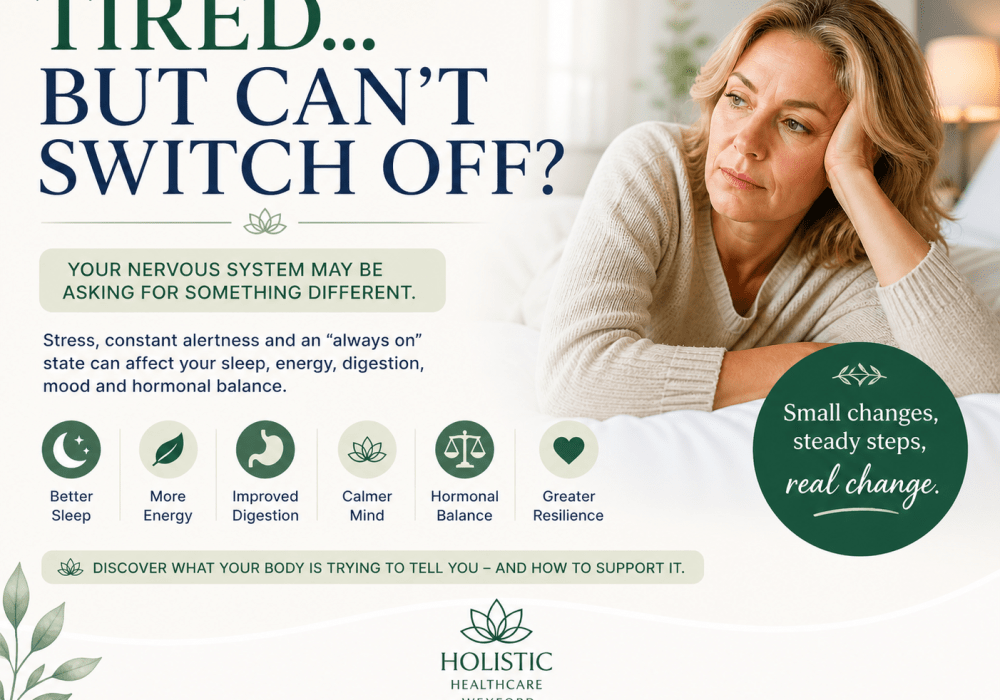
For generations, we have become accustomed to thinking about the body in parts. The heart belongs to cardiology. The stomach belongs to gastroenterology. The kidneys belong to nephrology. Our emotions, meanwhile, are often placed into an entirely different box.
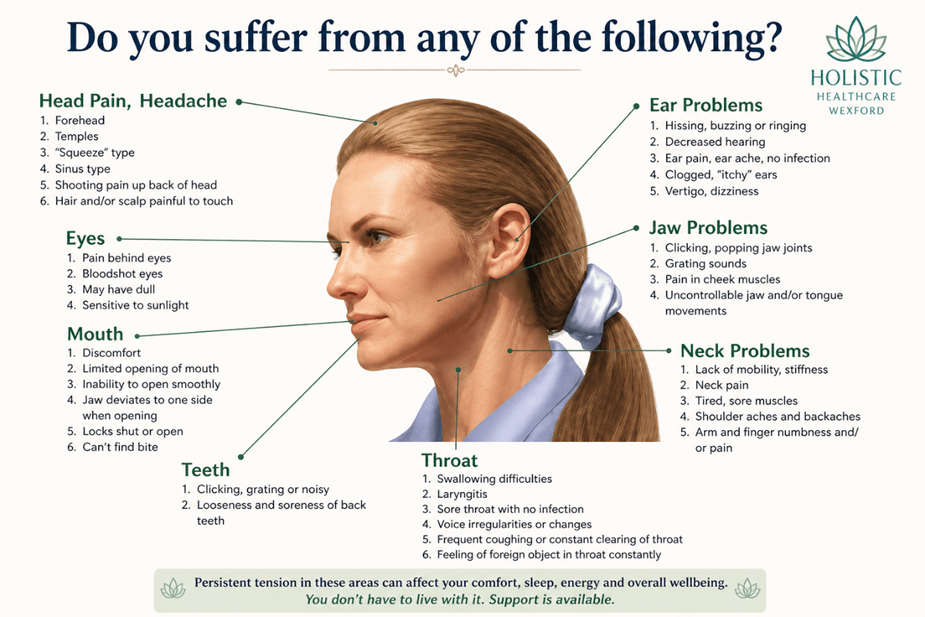
Yet anyone who has experienced fear, grief, anger or anxiety knows that emotions are not experienced only in the mind. Fear can make the heart race. Anxiety can tie the stomach into knots. Grief can alter our breathing. Anger can produce heat, tension and a very physical sense of agitation.
Our everyday language still carries this understanding. We speak of something being gut-wrenching. We are sick with worry. We need to get something off our chest. We feel butterflies in our stomach. Something makes our blood boil.
Perhaps our bodies and emotions were never as separate as modern life has encouraged us to believe.
An Older Understanding of Health
Long before laboratories, imaging and modern diagnostic medicine, people had to become extraordinarily careful observers. They watched the seasons, understood local plants, observed changes in the body and developed cultural explanations for relationships between emotion, environment, lifestyle and illness.
European folk healers, wise women, herbalists, traditional medicine people and other healing traditions did not all share one universal organ-emotion map. Their beliefs and practices differed greatly across place and time. What is striking, however, is how often older systems considered the person in a broader context: body, mind, environment, community and, in many traditions, spirituality.
Some of that knowledge survived. Some evolved. Some was rejected as medicine changed. And some simply faded from everyday memory.
The Daoist Understanding of Emotional Wisdom
Daoist and traditional Chinese medical traditions developed a particularly detailed framework linking the Five Elements, internal organ systems and emotional qualities. Classical Chinese medical literature has discussed relationships between emotion and the five Zang organ systems for more than two millennia. Importantly, these traditional ‘organs’ are not identical to the anatomical organs of modern Western medicine; they belong to a broader functional system that includes physiological and psychological relationships [1–3].
Within the Aumvedas Academy course material, the Inner Smile and Six Healing Sounds focus on five principal organ systems: heart, lungs, kidneys, liver/gallbladder and stomach/spleen. The course explores traditional associations between these systems and emotional qualities, together with the idea of transforming difficult emotional energy into corresponding virtues.
Traditional organ/system
Challenging emotional qualities
Cultivated qualities
Heart
Arrogance, hate, impatience
Kindness, love, joy
Lungs
Sadness, depression/grief
Courage, righteousness/strength
Kidneys
Fear
Gentleness, kindness/wisdom
Liver / gallbladder
Anger
Generosity, kindness/forgiveness
Stomach / spleen
Worry, anxiety
Openness, fairness/trust
The point is not that a healthy person should never feel anger, fear, grief or worry. These are human emotions. The traditional practice is concerned with awareness, balance and transformation rather than simply suppressing what we feel.
Instead of asking, “How do I get rid of this emotion?” we might ask, “What is this emotion telling me, where do I experience it in my body, and what happens when it becomes persistent?”
When Emotion Becomes Physical
Here, traditional observation and modern physiology can have an interesting conversation without pretending that they are the same medical system.
Modern medicine does not establish that anger simply causes liver disease, that grief causes lung disease, or that fear directly causes kidney disease. Those statements would turn a traditional symbolic and functional framework into a modern biomedical claim it cannot support.
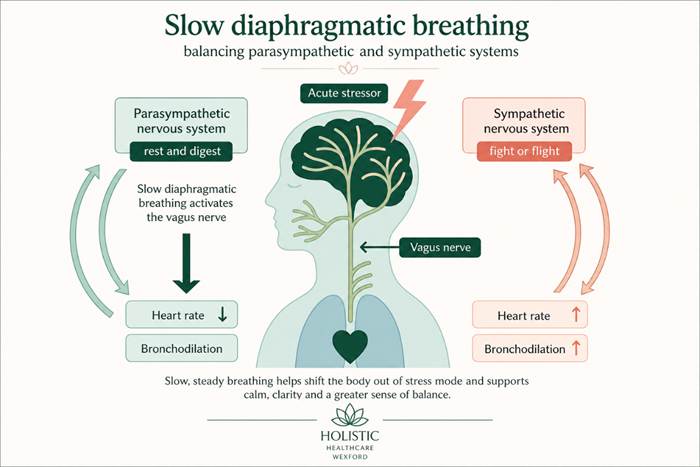
What modern physiology does show very clearly is that stress is physical as well as emotional. During the stress response, hormones are released, heart rate and breathing rate rise, blood pressure can increase, muscles tense and other body functions change. Long-term or chronic stress may contribute to or worsen problems including digestive and sleep disorders, and prolonged stress responses are associated with wider neuroendocrine, metabolic, immune and inflammatory effects [4,5].
So the useful bridge is not ‘one emotion equals one disease’. It is the recognition that emotional experience can produce genuine bodily responses, and that persistent stress can matter to health.
That does not mean every illness has an emotional cause. It means emotional wellbeing deserves a place in our understanding of physical wellbeing.
Have We Lost the Art of Listening?
Modern healthcare can measure the body with extraordinary precision: blood pressure, glucose, cholesterol, hormones, kidney function, liver enzymes, oxygen saturation and countless other markers. Those advances matter enormously.
Traditional practices should never be used as a reason to ignore persistent symptoms, delay medical assessment or replace appropriate investigation and treatment.
But alongside measuring the body, there may still be value in listening to it.
What happens in your body when you are frightened? Where do you feel grief? What changes when you have worried for weeks? What does anger physically feel like? Do you notice those signals, or have you become accustomed to overriding them?
These are simple questions. They can also be revealing.
Rediscovering Emotional Wisdom
Daoist Chi Kung contains practices intended to cultivate this internal awareness. Among them are the Inner Smile and the Six Healing Sounds. Within the traditional framework, these practices work with attention, breath, sound, movement, the organ systems and emotional qualities.
They sit within a much larger body of teaching that includes Yin and Yang, the Five Elements, Chi, organ relationships and traditional daily cycles.
And that is where I am deliberately going to stop.
A centuries-old system deserves rather more than a five-minute internet summary.
Celebrating 10 Years of Aumvedas Academy
2026 marks ten years of Aumvedas Academy: 2016–2026.
For a decade, the Academy has provided home-study education in holistic and traditional approaches to wellbeing, giving students the opportunity to explore these subjects in considerably greater depth than is possible in a short article.
As part of our tenth-anniversary year, I am delighted to bring renewed attention to one of our established home-study programmes:
DAOIST CHI KUNG with Inner Smile & The Six Healing Sounds
The course explores Chi, Yin and Yang, the Five Elements, traditional organ-emotion relationships, the Inner Smile, the Six Healing Sounds, the 24-hour Chi cycle and practical exercises. Students study at home and at their own pace, followed by online examination through Aumvedas Academy.
Perhaps emotional wisdom is not something entirely new that we need to discover. Perhaps part of it is something very old that we need to remember.
Our ancestors did not have today’s laboratories, scanners or understanding of physiology, but generations of human beings carefully observed relationships between how we live, how we feel and how the body responds.
Modern medicine gives us extraordinary tools for understanding health and disease. Traditional practices can offer another kind of tool: an invitation to pay attention. The two need not be enemies.
Sometimes the first step is simply learning to listen again.
I hope you feel inspired to become a little more curious about the conversations taking place between your emotions and your physical body, and perhaps to explore some of the traditional wisdom that has sought to understand that relationship for centuries.
Look after your body, and it will help look after you.
Traditional Chinese Medicine and Clinical Pharmacology. Frontiers in Pharmacology / PMC. Overview of Yin-Yang, Five Elements and organ correspondences in the Huang Di Nei Jing.
An East Meets West Approach to the Understanding of Emotion Dysregulation in Depression: From Perspective to Scientific Evidence. Frontiers in Psychology / PMC. Discussion of the traditional five-viscera emotion framework and its distinction from Western anatomical organ concepts.
Emotion-Focused Therapy: A Perspective From Traditional Chinese Medicine. Integrative Psychological and Behavioural Science / PMC. Historical discussion of emotion in the Huangdi Neijing and later Chinese medical case traditions.
National Center for Complementary and Integrative Health (NCCIH). Stress. National Institutes of Health. Overview of the physiological stress response and health effects of chronic stress.
National Center for Complementary and Integrative Health (NCCIH). Press Reset on Stress. National Institutes of Health. Summary of chronic stress effects on sleep, metabolism, immune regulation and inflammation.
Aumvedas Academy. DAOIST Chi Kung with Inner Smile and The 6 Healing Sounds. Home-study course manual. Course material used for the descriptions of the Aumvedas programme and its traditional organ-emotion teaching.
About the Author
Dr Catherine W. Dunne MSc.D. is a Registered General Nurse with over 37 years of clinical experience, including extensive experience in primary care and General Practice Nursing in Ireland. Alongside her work in General Practice Nursing, she is the founder of Holistic Healthcare Wexford and co-founder of Aumvedas Academy.
With a background that bridges conventional medicine and holistic practice, Catherine has a particular interest in the area where patients are often told “everything is normal,” yet still feel unwell. Her work focuses on helping people understand what their body is communicating, especially in relation to energy, stress, metabolic function, and recovery.
Through a combination of clinical knowledge and holistic support, she works with individuals to restore balance, improve resilience, and support long-term wellbeing.
Based in Wexford, Ireland.
Disclaimer:
This article is for informational and educational purposes only and is not intended as medical advice. It does not replace consultation with a qualified healthcare professional. Patients should always seek appropriate medical guidance regarding their individual health needs and before making changes to treatment or care.
AI-Disclaimer:
About the images: Unless otherwise stated, the photographs used throughout this library are the author’s own. AI-assisted design tools may be used to create educational layouts, improve presentation, and incorporate Holistic Healthcare Wexford branding. The botanical content and educational purpose remain those of the author.
Part of the Holistic Healthcare Wexford Herbal Medicine Library
By Dr Catherine W. Dunne, MSc.D., RGN (GPN), M.H.I.T., I.R.E.T.
Introduction
Fenugreek (Trigonella foenum-graecum) is far from being a newcomer to herbal medicine. Its medicinal use can be traced back approximately 6,000 years, making it one of the plants with a remarkably long history of human use.
Across different cultures, fenugreek has traditionally been used as a tonic and digestive remedy, as a laxative, for menstrual discomfort and menopausal symptoms, for kidney stones and to support milk production during breastfeeding.
Not all of these traditional applications have been confirmed by modern clinical research, but they demonstrate how extensively this small aromatic seed has featured in traditional healthcare.
Today, however, fenugreek is attracting attention for a very modern problem:
deteriorating glucose regulation and the development of type 2 diabetes.
Research has investigated its effects on blood glucose, insulin secretion, post-meal glucose and other metabolic parameters.
This raises an especially interesting question:
Could fenugreek have a useful supportive role before type 2 diabetes develops?
And what about women who previously experienced gestational diabetes and consequently remain at increased risk of developing type 2 diabetes later in life?
The answer is considerably more interesting — and more nuanced — than simply saying that fenugreek “lowers blood sugar”.
Botanical Profile
Scientific name:Trigonella foenum-graecum Family: Fabaceae Common names: Fenugreek, Greek hay, Greek clover Plant type: Annual leguminous herb Part primarily used medicinally: Seed Traditional uses: Digestive support, nourishment, metabolic support, menstrual complaints and lactation support
Fenugreek belongs to the same botanical family as peas, beans and clovers.
Its leaves are characteristically trifoliate, consisting of three leaflets, while its small pale flowers reveal its relationship to other members of the pea family.
For glucose metabolism, most research has concentrated on the seed.
Fenugreek seeds contain several potentially important constituents, including:
soluble fibre and mucilage
galactomannan
saponins
polyphenols
trigonelline
and the unusual amino-acid derivative 4-hydroxyisoleucine (4-HIL).
Rather than acting through one single pathway, these constituents may influence several different components of glucose metabolism.
First, What Does Insulin Actually Do?
When we eat carbohydrate-containing food, digestion breaks much of that carbohydrate down into glucose.
Glucose enters the bloodstream and the pancreas responds by releasing insulin.
Insulin acts rather like a metabolic key, signalling tissues – particularly muscle and adipose tissue – to take glucose from the circulation and either use it for energy or store it.
The liver is also intimately involved.
During fasting, the liver releases glucose to maintain an adequate supply for the body. Following a meal, insulin helps regulate this hepatic glucose production.
When this system works efficiently, blood glucose rises after eating and subsequently returns towards its normal range.
But with insulin resistance, tissues become less responsive to insulin.
Initially, the pancreas compensates by producing more insulin.
For some time this increased production may successfully maintain glucose levels. Eventually, however, pancreatic beta cells may no longer compensate sufficiently.
Blood glucose begins to rise.
This is one of the pathways through which prediabetes may eventually progress to type 2 diabetes.
And it is precisely this metabolic territory that makes fenugreek particularly interesting.
Fenugreek Does Not Contain Insulin
This distinction is important.
Fenugreek is not a herbal form of insulin.
Nor can it replace insulin where insulin therapy is medically required.
Instead, constituents within fenugreek appear capable of influencing several processes involved in glucose regulation.
These may include:
carbohydrate digestion and absorption
post-meal glucose excursions
pancreatic insulin secretion
glucose utilisation
and hepatic glucose metabolism.
Understanding these mechanisms helps explain why fenugreek has attracted considerable research interest in diabetes and prediabetes.
1. Fenugreek May Slow Glucose Absorption
Fenugreek seed contains substantial amounts of soluble fibre.
When the seeds are exposed to water, this fibre absorbs fluid and produces a distinctly mucilaginous consistency.
Anyone who has soaked fenugreek seeds overnight will recognise it immediately.
Within the digestive tract, soluble fibre can influence the rate at which carbohydrate is digested and glucose absorbed.
Rather than glucose entering the circulation very rapidly after a meal, absorption may become more gradual.
we may see a more gradual glucose excursion after eating.
This is particularly interesting because deterioration in post-prandial glucose regulation can be an important feature of developing dysglycaemia.
And importantly, this effect is not dependent upon extracting some exotic compound from the plant.
The physical properties of the whole seed itself may be part of its therapeutic story.
2. The Fascinating 4-Hydroxyisoleucine Connection
One of fenugreek’s more unusual constituents is 4-hydroxyisoleucine, usually abbreviated to 4-HIL.
Experimental research suggests that 4-HIL can enhance insulin secretion from pancreatic beta cells.
Particularly interesting is evidence suggesting that this insulinotropic action may be glucose-dependent — becoming more relevant when glucose concentrations are elevated.
That does not mean that eating fenugreek simply forces the pancreas to continuously produce insulin.
And laboratory experiments involving isolated 4-HIL should not automatically be translated into claims about what a spoonful of fenugreek seed will accomplish in a person.
Nevertheless, it provides a biologically plausible mechanism for some of the metabolic effects being investigated clinically.
3. What About Insulin Resistance?
This is where we need to be precise.
Insulin resistance is fundamental to the development of type 2 diabetes, and several mechanisms associated with fenugreek have led researchers to investigate whether it might improve insulin sensitivity.
However, the clinical evidence is not yet sufficiently consistent to state simply that fenugreek reverses insulin resistance.
A 2023 systematic review and meta-analysis of randomised controlled trials found significant improvements in fasting blood glucose, two-hour plasma glucose and HbA1c with fenugreek, but did not find a statistically significant reduction in HOMA-IR, a commonly used marker of insulin resistance.
That distinction matters.
Fenugreek appears to influence glucose regulation.
Exactly how much of that effect results from improved insulin sensitivity, altered glucose absorption, changes in insulin secretion or other mechanisms remains an active area of research.
4. Don’t Forget the Liver
When people discuss diabetes, attention frequently centres almost entirely on the pancreas.
But the liver is a major participant in glucose regulation.
During fasting, the liver releases glucose to maintain an adequate circulating supply.
Insulin normally helps suppress unnecessary hepatic glucose production after eating.
When insulin resistance develops, this regulation can become impaired and the liver may continue contributing glucose to the circulation when it is not required.
Experimental research suggests that fenugreek constituents may influence enzymes involved in carbohydrate and hepatic glucose metabolism.
This represents another possible component of fenugreek’s overall metabolic effect.
Where Does Prediabetes Fit Into This?
This is perhaps the most interesting part of the fenugreek story.
Prediabetes is not simply “a little bit of diabetes”.
It represents a period in which glucose regulation has deteriorated but diagnostic criteria for diabetes have not yet been reached.
In Ireland, an HbA1c of 42–47 mmol/mol is generally considered within the prediabetes or high-risk range.
At this stage, metabolic abnormalities may already be present, including impaired glucose tolerance, altered post-meal glucose handling and varying degrees of insulin resistance.
But importantly:
there is still an opportunity to intervene.
Lifestyle intervention remains the foundation of diabetes prevention.
That includes appropriate nutrition, regular physical activity, weight management where relevant, good sleep, smoking cessation and management of cardiovascular risk factors.
Fenugreek should never be presented as a substitute for these measures.
However, whether fenugreek might complement them is a legitimate and increasingly interesting research question.
What Does the Research Say About Fenugreek and Prediabetes?
A particularly interesting three-year controlled study investigated fenugreek specifically in 140 men and women aged 30–70 years with prediabetes.
Participants in the intervention group received:
5 g fenugreek seed powder twice daily before meals
for a total of:
10 g per day.
Participants were monitored every three months over the three-year study.
The fenugreek group experienced a significantly lower progression to type 2 diabetes than the control group and also showed improvements in fasting and post-prandial glucose.
This is fascinating research.
But one study – even a three-year study – does not establish fenugreek as a proven preventative treatment for type 2 diabetes.
The wider evidence is encouraging but still evolving.
A 2023 systematic review and meta-analysis examining randomised controlled trials involving people with type 2 diabetes and prediabetes included 10 studies and 706 participants.
Overall, fenugreek significantly reduced:
fasting blood glucose
two-hour plasma glucose
and
HbA1c.
However, study preparations, populations and methodologies differed considerably.
The US National Center for Complementary and Integrative Health (NCCIH) therefore takes an appropriately cautious position: research suggests that fenugreek may lower blood glucose, particularly in people with type 2 diabetes, but there is still insufficient high-quality evidence to reach firm therapeutic conclusions.
That is probably the fairest interpretation of the evidence at present:
promising but not proven.
Could Fenugreek Help Prevent Prediabetes Progressing to Type 2 Diabetes?
Potentially, but we need to choose our language carefully.
The long-term prediabetes study is particularly interesting because intervention occurred before established type 2 diabetes developed.
Physiologically, that makes sense.
If post-meal glucose excursions can be moderated and overall glucose handling improved while endogenous pancreatic function remains relatively preserved, there may be an opportunity to influence the metabolic trajectory.
But fenugreek should be viewed as a possible adjunct to established diabetes-prevention strategies, not a replacement for them.
A spoonful of fenugreek does not cancel out inactivity, smoking, poor nutrition, obesity or other metabolic risk factors.
Herbal medicine works best when we look at the whole person rather than the herb in isolation.
What About Women Who Have Had Gestational Diabetes?
This is another important group — but the clinical pathway is different.
Gestational diabetes mellitus (GDM) develops during pregnancy, when profound hormonal and metabolic changes increase insulin resistance.
After delivery, pregnancy-related insulin resistance can fall dramatically.
Consequently, glucose levels frequently improve after birth.
However, experiencing GDM identifies a woman as being at increased future risk of developing type 2 diabetes.
This does not mean that every woman who has experienced GDM remains diabetic.
It means that ongoing metabolic surveillance matters.
The Irish Post-GDM Pathway
In Ireland, the early postpartum assessment following GDM takes place through the appropriate hospital/community pathway.
The HSE Diabetes in Pregnancy Model of Care recommends an oral glucose tolerance test (OGTT) 6–12 weeks following delivery, completed in the local hospital or community setting.
A negative OGTT indicates that the woman no longer has diabetes, but importantly, her future risk remains elevated.
The HSE pathway subsequently recommends:
fasting blood glucose/HbA1c at one year following birth
and thereafter:
FBG/HbA1c annual for 5 years according to individual risk factors.
This creates an important continuum between maternity services and Primary Care:
GDM during pregnancy
↓
Postpartum OGTT through hospital/community services
↓
Diabetes excluded
↓
Ongoing Primary Care surveillance
↓
Periodic FBG/HbA1c
For many women everything will remain completely normal.
For others, however, glucose regulation may gradually begin to deteriorate years later.
Previous GDM + Later Prediabetes
This is where our fenugreek discussion becomes relevant again.
Imagine a woman who experienced GDM.
Her postpartum OGTT was negative.
She subsequently returned to Primary Care follow-up.
Several years later, routine blood testing shows that her HbA1c has entered the prediabetes range.
We are no longer discussing the treatment of gestational diabetes.
We are discussing a woman with a recognised risk factor for type 2 diabetes who now also has biochemical evidence of deteriorating glucose regulation.
She has effectively entered our prediabetes conversation.
Could fenugreek have a supportive role as one component of a broader metabolic-health programme?
Potentially.
But it would sit alongside lifestyle intervention, weight management where appropriate, cardiovascular risk assessment and continued biochemical monitoring.
Her previous GDM history tells us that her metabolic trajectory deserves particular attention.
Fenugreek During Pregnancy Is Different
Nothing in this article should be interpreted as recommending therapeutic fenugreek for gestational diabetes during pregnancy.
Food quantities and medicinal quantities are not interchangeable.
Current safety guidance advises against fenugreek in quantities greater than those normally consumed as food during pregnancy.
Gestational diabetes requires appropriate obstetric and diabetes-team management.
What About Breastfeeding?
Fenugreek has a long traditional history as a galactagogue — a substance used to promote breast-milk production.
However, modern evidence for this effect is mixed.
More importantly, there remains limited information about the safety of consuming fenugreek in amounts greater than normal food quantities during breastfeeding.
Normal culinary consumption is therefore quite different from taking substantial quantities of powdered seed or concentrated extracts every day.
Recently postpartum women should not automatically begin therapeutic quantities of fenugreek simply because they previously experienced GDM.
Individual glucose status, medication, breastfeeding and the wider clinical picture should all be considered.
Fenugreek and Established Type 2 Diabetes
Fenugreek also remains interesting once type 2 diabetes has developed, but medication becomes increasingly important.
Someone with type 2 diabetes may already be taking one or several glucose-lowering medications.
Introducing therapeutic quantities of something capable of influencing glucose regulation therefore deserves appropriate monitoring.
Fenugreek should never be used as justification for independently reducing or discontinuing prescribed diabetes medication.
Fenugreek and Insulin
This deserves particular attention.
If someone using insulin begins consuming substantial therapeutic quantities of fenugreek and their glucose response changes, their established insulin regimen could potentially produce a greater glucose-lowering effect than previously.
The concern is hypoglycaemia.
That does not mean somebody using insulin can never eat fenugreek.
It means we need to distinguish between:
fenugreek used as an ordinary culinary spice
and
fenugreek consumed therapeutically every day as substantial quantities of seed, powder or concentrated extract.
The latter warrants considerably greater attention to glucose monitoring.
Food, Whole Seed and Extract Are Not the Same Thing
This principle is extremely important in herbal medicine.
A sprinkle of fenugreek used while cooking is not pharmacologically equivalent to 5 or 10 grams of seed powder taken every day.
Neither is necessarily equivalent to a commercial concentrated extract.
Whenever we discuss the potential interaction between a medicinal plant and medication, we therefore need to ask:
What preparation?
How much?
How frequently?
What medication is the person taking?
What are their glucose readings and HbA1c doing?
Without these questions, statements such as “fenugreek lowers blood sugar” tell us surprisingly little.
How Can Fenugreek Seeds Be Prepared and Consumed?
After all the discussion about glucose, insulin and clinical research, we arrive at the practical question:
What do we actually do with the seeds?
Fenugreek does not necessarily need to come from a capsule or concentrated supplement.
Whole fenugreek seed is inexpensive, stores well and can be incorporated into the diet in several simple ways.
For metabolic use, I particularly favour methods that allow us to consume the whole seed and therefore retain its naturally occurring fibre.
Soaked Fenugreek Seeds
One of the simplest methods is soaking the whole seeds overnight.
Place the seeds into a small glass or bowl and cover them generously with water.
Allow them to soak for approximately 8–12 hours.
By morning they will have softened and developed a slightly slippery or mucilaginous coating.
That is normal.
Indeed, that mucilage is one of the reasons the whole seed is so interesting.
The softened seeds can then be chewed thoroughly and eaten, preferably with or shortly before a meal.
The soaking liquid can also be consumed if desired and well tolerated.
For someone completely new to fenugreek, beginning with a smaller quantity rather than immediately consuming a substantial amount allows gastrointestinal tolerance to be established.
Ground Fenugreek Seed
Fenugreek seeds are extremely hard when dry.
They can therefore be freshly ground in a spice grinder or using a mortar and pestle.
Ground fenugreek can then be incorporated into everyday foods such as:
porridge
overnight oats
natural yoghurt
soups
stews
curries
vegetable dishes
savoury breads.
Fenugreek has a distinctive aromatic and slightly bitter flavour, so some people will find it easier to incorporate into savoury meals.
Grinding only the amount required for a short period also helps preserve the characteristic aromatic constituents of the seed.
What About 5 g Once or Twice Daily?
This is where it is important to distinguish research dosing from individual recommendations.
The three-year prediabetes study discussed earlier used:
5 g of fenugreek seed powder twice daily before meals — 10 g per day in total.
That was the study protocol.
It should not be interpreted as a universal dose for everybody with prediabetes.
For someone introducing fenugreek as a food-based adjunct, a more cautious approach may be to begin with a smaller quantity and establish gastrointestinal tolerance first.
For example, up to approximately 5 g once daily may be introduced initially before considering larger quantities.
If well tolerated, the research protocol provides useful context for why 5 g twice daily is sometimes discussed in relation to prediabetes.
However, individual circumstances matter.
Fenugreek’s substantial fibre content means that suddenly consuming large quantities may result in bloating, wind, diarrhoea or other gastrointestinal discomfort.
And anyone taking glucose-lowering medication — particularly insulin or medicines capable of producing hypoglycaemia — should not simply introduce therapeutic quantities without appropriate clinical consideration and glucose monitoring.
What About Fenugreek Tea?
Fenugreek seeds can certainly be infused or gently decocted in water.
This remains a traditional and perfectly reasonable way of consuming fenugreek.
However, when my particular interest is prediabetes and glucose regulation, I favour actually consuming the whole or ground seed.
Why?
Because the fibre itself appears to be part of the story.
If we prepare a tea and subsequently discard the seeds, we are not consuming all of the fibre naturally present within them.
For this particular purpose, the simplest preparation may therefore also be one of the most logical:
eat the seed.
What About a Fenugreek Tincture?
Fenugreek can also be prepared as an alcohol-based herbal extract.
However, once again, a tincture and a whole seed preparation are not physiologically identical.
Alcohol can extract many plant constituents very effectively.
What it cannot reproduce is the physical effect of consuming several grams of soluble dietary fibre.
Therefore, although a fenugreek tincture may have applications within herbal practice, it would not be my first choice when the specific objective is the metabolic application discussed in this article.
For that purpose, I prefer the whole seed.
A Simple Practical Approach
For an adult wishing to incorporate fenugreek seed into an otherwise healthy diet, the principle is straightforward:
Start low → establish tolerance → consume regularly → preferably take with or shortly before a meal.
Whole seeds can be soaked overnight.
Alternatively, they can be freshly ground and incorporated into food.
Research involving people with prediabetes has used 5 g twice daily before meals, but that remains a research protocol rather than a universal prescription.
And remember that fenugreek should complement the foundations of metabolic health — nutritious food, regular physical activity, appropriate weight management, adequate sleep and appropriate clinical surveillance — rather than being expected to compensate for their absence.
Catherine’s Herbal Notes
Harvest season: Fenugreek seed is harvested once the seed pods have matured and dried.
Parts used: Primarily the seeds when considering metabolic applications.
Favourite preparation: For the particular purpose of supporting glucose regulation, I favour the whole seed — soaked overnight or freshly ground and incorporated into food. This retains the soluble fibre naturally present within the seed.
Growing location: Although fenugreek can be grown as an annual herb in Ireland, good-quality dried seeds are readily available and, for my own purposes, I am quite content to buy the seeds rather than surrender another corner of my medicinal herb garden to an enthusiastic annual!
Personal observation: Soaking fenugreek makes its mucilaginous nature immediately apparent. To me, this is an excellent reminder that medicinal plants do not work exclusively through isolated chemical constituents. Sometimes the physical characteristics of the whole plant material — in this case its fibre — are themselves part of the therapeutic picture.
From a clinical perspective, I find fenugreek particularly interesting in the earlier metabolic window: the patient whose HbA1c is beginning to rise, someone with established prediabetes, or a woman with previous GDM whose later Primary Care surveillance begins to demonstrate deteriorating glucose regulation.
These are precisely the situations in which prevention deserves our attention.
Final Thoughts
Fenugreek is not insulin. It is not a cure for diabetes. And it should never be presented as an alternative to appropriate diabetes care. But neither should a medicinal seed with approximately 6,000 years of traditional use, biologically plausible mechanisms and an expanding body of clinical research simply be dismissed.
Fenugreek appears capable of influencing several components of glucose regulation. Clinical research has reported effects on fasting glucose, post-prandial glucose and HbA1c, while laboratory research continues to investigate mechanisms involving carbohydrate absorption, insulin secretion and glucose metabolism.
That makes its possible role in prediabetes particularly interesting. Prediabetes gives us something enormously valuable: time to intervene.
Likewise, a history of gestational diabetes provides an opportunity for continued surveillance and early intervention should glucose regulation begin deteriorating later in life.
The sensible question therefore isn’t: “Can fenugreek replace diabetes medication?” It cannot.
A much more useful question is: “Could fenugreek, appropriately used and monitored, form one small part of a broader strategy aimed at supporting metabolic health before type 2 diabetes becomes established?”
Current research suggests that question deserves further investigation.
And that is exactly where good integrative healthcare belongs … bringing together traditional knowledge, modern research, clinical monitoring and common sense.
I hope this has inspired you to look a little more closely at the humble fenugreek seed — not simply as a familiar culinary spice, but as a medicinal plant with thousands of years of traditional use and an increasingly interesting place in modern metabolic research.
Herbal medicine continually reminds us that some of the most fascinating plants do not need to be rare or exotic. Sometimes they are sitting quietly in our kitchen cupboards, waiting for us to understand them a little better.
Look after your body, and it will help look after you.
Gaddam A, Galla C, Thummisetti S, et al. Role of fenugreek in the prevention of type 2 diabetes mellitus in prediabetes. Journal of Diabetes & Metabolic Disorders. 2015;14:74. View study — PubMed
Kim J, Noh W, Kim A, Choi Y, Kim Y-S. The effect of fenugreek in type 2 diabetes and prediabetes: a systematic review and meta-analysis of randomized controlled trials. International Journal of Molecular Sciences. 2023;24(18):13999. Read full paper — PubMed Central
Sauvaire Y, Petit P, Broca C, et al. 4-Hydroxyisoleucine: a novel amino acid potentiator of insulin secretion. Diabetes. 1998;47(2):206–210. View paper — Diabetes
Broca C, Gross R, Petit P, et al. 4-Hydroxyisoleucine: experimental evidence of its insulinotropic and antidiabetic properties. American Journal of Physiology – Endocrinology and Metabolism. 1999;277(4):E617–E623. View paper — American Physiological Society
National Center for Complementary and Integrative Health. Fenugreek: Usefulness and Safety. National Institutes of Health. NCCIH — Fenugreek
National Library of Medicine. Fenugreek. Drugs and Lactation Database (LactMed®). LactMed — Fenugreek
This article is provided for educational purposes and does not replace individual medical advice.
Fenugreek is generally considered safe when consumed in normal food quantities, but larger quantities can cause gastrointestinal symptoms and may produce excessive lowering of blood glucose in some circumstances.
People taking insulin or other glucose-lowering medication should discuss therapeutic fenugreek supplementation with an appropriately qualified healthcare professional and monitor glucose appropriately.
Fenugreek in quantities greater than those normally found in food should not be used during pregnancy.
Safety information regarding therapeutic quantities during breastfeeding remains limited.
Anyone with an allergy to fenugreek or potentially related legumes should exercise appropriate caution.
Prescribed diabetes medication, including insulin, should never be stopped or independently adjusted because fenugreek or another herbal preparation has been introduced.
About the Author
Dr Catherine W. Dunne MSc.D. is a Registered General Nurse with over 37 years of clinical experience in primary care in Ireland. Alongside her work in General Practice Nursing, she is the founder of Holistic Healthcare Wexford and co-founder of Aumvedas Academy.
With a background that bridges conventional medicine and holistic practice, Catherine has a particular interest in the area where patients are often told “everything is normal,” yet still feel unwell. Her work focuses on helping people understand what their body is communicating, especially in relation to energy, stress, metabolic function, and recovery.
Through a combination of clinical knowledge and holistic support, she works with individuals to restore balance, improve resilience, and support long-term wellbeing.
Based in Wexford, Ireland.
Disclaimer
This article is for informational and educational purposes only and is not intended as medical advice. It does not replace consultation with a qualified healthcare professional. Patients should always seek appropriate medical guidance regarding their individual health needs and before making changes to treatment or care.
AI-Disclaimer: About the images: Unless otherwise stated, the photographs used throughout this library are the author’s own. AI-assisted design tools may be used to create educational layouts, improve presentation, and incorporate Holistic Healthcare Wexford branding. The botanical content and educational purpose remain those of the author.
Part of the Holistic Healthcare Wexford Herbal Medicine Library
By Dr Catherine W. Dunne, MSc.D., RGN (GPN), M.H.I.T., I.R.E.T.
Introduction
Few medicinal herbs have earned the enduring respect afforded to thyme. Growing low to the ground yet rich in aromatic oils, this humble member of the mint family has been treasured throughout Europe, North Africa and Western Asia for thousands of years. Equally at home in the kitchen and the herbal apothecary, thyme has long been recognised as a plant that nourishes, protects and heals.
For generations, thyme was one of the first herbs reached for when winter colds arrived. A simple infusion of its leaves was traditionally used to soothe persistent coughs, loosen chest congestion, calm sore throats and ease breathing. The fragrant steam rising from a freshly brewed cup brought comfort to countless households long before the development of modern cough remedies.
Yet thyme’s value extends far beyond respiratory health. Traditional herbalists have also used it to support digestion, stimulate the appetite, freshen the breath, cleanse minor wounds and promote general wellbeing. Its unmistakable aroma reflects a remarkable concentration of volatile oils, particularly thymol and carvacrol, compounds now recognised for their broad antimicrobial and antioxidant properties.
Today, scientific research continues to investigate many of thyme’s traditional uses. Laboratory and clinical studies have demonstrated antibacterial, antiviral, antifungal and anti-inflammatory activities, helping to explain why this small evergreen herb has maintained its place in herbal medicine for centuries. While modern medicine offers effective treatments for many infectious diseases, thyme remains a valued complementary herb for supporting respiratory comfort and overall health.
Whether enjoyed as a warming tea, prepared as a tincture, infused into oil or simply added generously to everyday cooking, thyme represents the enduring partnership between food and medicine. It reminds us that some of the most familiar plants growing in our gardens possess an extraordinary depth of medicinal potential.
Botanical Classification
Kingdom: Plantae
Clade: Angiosperms
Clade: Eudicots
Clade: Asterids
Order: Lamiales
Family: Lamiaceae (Mint Family)
Genus:Thymus
Species:Thymus vulgaris L.
The genus Thymus contains more than 350 recognised species distributed throughout Europe, North Africa and parts of Asia. While many species possess aromatic and medicinal qualities, Thymus vulgaris, commonly known as common thyme or garden thyme, remains the species most widely cultivated for culinary and medicinal use.
Like many members of the mint family, thyme is characterised by square stems, opposite leaves and highly aromatic essential oils produced in specialised glandular structures on the leaves and flowering tops.
Common Names
Thyme has travelled across continents and cultures, acquiring many names that reflect its importance in everyday life.
English: Thyme, Common Thyme, Garden Thyme
Irish (Gaeilge): Tím
German: Echter Thymian, Gartenthymian
French: Thym
Spanish: Tomillo
Italian: Timo
Dutch: Tijm
Latin:Thymus vulgaris
The word thyme is believed to originate from the Ancient Greek word θύμος (thymos), meaning courage, strength or spirit. Some scholars suggest a connection with another Greek word, θύω (thyo), meaning to sacrifice or to burn as incense, reflecting thyme’s use in religious ceremonies and temple rituals. Both interpretations are fitting, as thyme came to symbolise both physical vitality and spiritual purification throughout the ancient world.
A Journey Through Time
The story of thyme stretches back more than three thousand years and spans some of the world’s greatest civilisations. Throughout history, this humble herb has been associated with courage, purification, healing and protection.
Ancient Egypt
Among the earliest recorded uses of thyme were those of the Ancient Egyptians. Skilled embalmers included thyme in aromatic mixtures used during the mummification process. Its fragrant essential oils helped mask odours, while its preservative properties were valued in preparing the deceased for the afterlife. Although modern science was unknown to them, the antimicrobial nature of thyme may have contributed to its effectiveness.
Ancient Greece
The Ancient Greeks held thyme in particularly high regard. Temples were often filled with the fragrant smoke of burning thyme as an offering to the gods and as a means of purification. Greek physicians, including followers of Hippocrates, recognised thyme as a valuable medicinal herb for respiratory complaints and digestive disturbances.
The herb also became a symbol of courage. Greek soldiers bathed in thyme-infused water before battle, believing it would strengthen both body and spirit. The Greek word thymos, meaning courage or inner strength, became forever linked with the plant.
The Roman Empire
The Romans embraced thyme enthusiastically and carried it throughout their expanding empire. As Roman settlements spread across Europe, thyme became established in monastery gardens, household kitchens and medicinal plots.
Roman naturalists praised thyme for its ability to purify rooms, preserve food and flavour cheeses and meats. Baths infused with thyme were believed to restore energy after physical exertion, while herbal infusions were commonly prepared for coughs, digestive discomfort and general weakness.
It is largely thanks to the Romans that thyme became firmly established throughout much of Europe.
Medieval Europe
During the Middle Ages, thyme became one of the most important herbs cultivated in monastery physic gardens. Monks carefully documented its medicinal properties and prescribed it for coughs, chest infections, digestive ailments and wound cleansing.
Outside the monasteries, thyme acquired symbolic significance. Ladies embroidered sprigs of thyme onto scarves, handkerchiefs and banners before presenting them to knights departing for battle. The herb had become a recognised emblem of bravery, honour and steadfastness.
Households also burned thyme indoors, believing its fragrant smoke purified the air and helped protect against disease during times of plague and epidemic.
Renaissance Herbalists
The great European herbalists of the sixteenth and seventeenth centuries, including Nicholas Culpeper and John Gerard, praised thyme extensively. Their writings describe its use for disorders of the lungs, chest congestion, melancholy, poor digestion and various infectious illnesses.
These herbal traditions would continue largely unchanged for centuries, passing from one generation to the next through families and village herbalists.
Thyme in the Modern World
Today, thyme remains one of the world’s most widely cultivated medicinal herbs. Advances in analytical chemistry have identified many of the compounds responsible for its traditional reputation, particularly thymol and carvacrol, which possess well-documented antimicrobial activity.
Modern herbalists continue to value thyme for respiratory support, while researchers investigate its potential applications in antimicrobial resistance, food preservation, oral health and inflammatory conditions.
Few herbs demonstrate such a remarkable continuity between ancient wisdom and contemporary science. Across more than three millennia, thyme has retained its place as one of nature’s most trusted medicinal plants—a testament to both the observations of our ancestors and the findings of modern research.
Botanical Description
At first glance, thyme may appear to be an unassuming herb, but closer inspection reveals a remarkably resilient plant perfectly adapted to dry, sunlit environments. Thymus vulgaris is a small evergreen subshrub belonging to the mint family (Lamiaceae), typically reaching a height of 15–30 cm (6–12 inches). As it matures, the stems become woody at the base while producing numerous soft, leafy shoots that create dense, aromatic cushions.
Like many members of the mint family, thyme possesses square stems and opposite leaves. The leaves are small, narrow and oval-shaped, measuring approximately 4–12 mm in length. Their upper surface is a soft grey-green, while the underside appears lighter and is covered with tiny oil glands that store the volatile essential oils responsible for thyme’s distinctive fragrance.
During late spring and early summer, thyme produces clusters of delicate flowers ranging in colour from pale pink and lilac to soft purple. These nectar-rich blossoms are highly attractive to bees, butterflies and other pollinating insects, making thyme an excellent addition to wildlife-friendly gardens. The flowers are not only beautiful but also medicinally valuable, containing many of the same aromatic compounds found in the leaves.
When the leaves or flowering tops are gently rubbed between the fingers, they release an unmistakable warm, spicy aroma that reflects the plant’s rich concentration of essential oils. This fragrance serves the plant as a natural defence against herbivores, insects and certain microbial pathogens, while providing the characteristic scent so familiar in both cooking and herbal medicine.
Habitat and Cultivation
Thyme is native to the Mediterranean basin, where it thrives on rocky hillsides, limestone slopes and dry grasslands exposed to long hours of sunshine. Over centuries of cultivation, it has become naturalised throughout much of Europe and is now grown successfully in temperate regions around the world.
One of thyme’s greatest strengths is its ability to flourish in poor soils where many other plants struggle. It prefers light, well-drained soils with a neutral to slightly alkaline pH and performs best in full sun. Heavy clay soils or areas prone to waterlogging are unsuitable, as excessive moisture can lead to root rot and reduced production of essential oils.
The Thyme Plant in Full Flower
Figure 1. Common thyme (Thymus vulgaris) growing in the medicinal herb garden at Holistic Healthcare Wexford, County Wexford, Ireland. Harvested just as flowering begins, when the essential oil content is traditionally considered to be at its highest.
Once established, thyme is remarkably drought tolerant. In fact, moderate periods of dryness often encourage the plant to produce higher concentrations of aromatic oils, resulting in stronger flavour and greater medicinal potency. This adaptation reflects its Mediterranean origins, where prolonged summer droughts are common.
Thyme can be grown from seed, cuttings or by dividing mature plants. Although seed germination is possible, propagation from cuttings is generally preferred, as it produces plants that are genetically identical to the parent and establish more quickly.
Regular light pruning after flowering encourages compact growth and prolongs the productive life of the plant. Without occasional pruning, older plants may become woody and sparse in the centre.
Harvesting and Drying
The timing of harvest plays an important role in determining both the flavour and medicinal quality of thyme. Traditionally, herbalists harvest the upper leafy stems shortly before or at the beginning of flowering, when the concentration of volatile essential oils is considered to be at its highest.
Harvesting is best carried out on a dry morning after the dew has evaporated but before the heat of the afternoon sun causes the volatile oils to dissipate. Healthy, disease-free shoots should be selected, avoiding any stems showing signs of damage or fungal disease.
The upper 10–15 cm of the tender stems can be cut with sharp secateurs, leaving the woody base intact to encourage vigorous regrowth. Regular harvesting throughout the growing season promotes bushier plants and often results in several flushes of fresh growth.
Fresh thyme may be used immediately, but much of the harvest is traditionally preserved by drying. Small bundles of stems should be tied loosely and suspended upside down in a warm, dry, well-ventilated location away from direct sunlight. Excessive heat or strong sunlight may reduce the concentration of essential oils and fade the leaves.
Freshly Harvested Thyme Drying
Figure 2. Freshly harvested thyme after drying. Both the leaves and flowering tops retain their characteristic aroma, while the stems continue to hold valuable volatile oils.
Once completely dry, the leaves can be gently rubbed from the stems and stored in airtight glass containers away from light and moisture. Properly dried thyme retains much of its characteristic aroma for up to one year.
Catherine’s Practical Observation
While removing the leaves from freshly dried thyme, I was struck by how intensely aromatic the woody stems remained. Rather than discarding them, they can be infused into olive oil for topical preparations, added to herbal steam inhalations or included in simmer pots to release their remaining volatile oils. Even after the leaves have been removed, the stems still have much to offer.
Removing the Leaves
Figure 3. Gently rubbing the dried thyme between the hands separates the leaves and flowering tops from the stems. This traditional method has been used by herbalists for generations.
The First Separation
Figure 4. After rubbing, the lighter leaves and flowers begin separating naturally from the woody stems before final sieving.
Phytochemistry
The medicinal reputation of thyme is largely due to its rich and complex phytochemical profile. More than one hundred individual compounds have been identified within its essential oil, alongside numerous flavonoids, phenolic acids and triterpenes that contribute to the herb’s biological activity.
Among the most important constituents are the phenolic monoterpenes thymol and carvacrol, widely recognised for their antimicrobial, antifungal and antioxidant properties. The proportion of these compounds varies according to the plant’s growing conditions, genetics and geographical origin, giving rise to different chemotypes with distinct aromatic characteristics.
Other significant volatile constituents include p-cymene, γ-terpinene, linalool, borneol and terpineol, each contributing to the plant’s fragrance and pharmacological profile.
Beyond its essential oils, thyme contains a variety of valuable polyphenols. Rosmarinic acid, a compound shared with several members of the mint family, has attracted attention for its antioxidant and anti-inflammatory activities. Flavonoids such as apigenin, luteolin and naringenin further contribute to the herb’s ability to protect cells from oxidative stress.
Thyme also contains tannins, triterpenes, bitters and small quantities of vitamins and minerals. While these occur in lower concentrations than the volatile oils, they contribute to the herb’s overall therapeutic profile through a phenomenon often referred to as phytochemical synergy, where multiple plant constituents work together to produce effects that are greater than those of isolated compounds alone.
This remarkable chemical diversity helps explain why thyme has remained one of Europe’s most respected medicinal herbs for centuries and why it continues to be the subject of extensive scientific research today.
Traditional Herbal Uses
For centuries, thyme has been regarded as one of Europe’s most dependable household herbs. Long before modern medicines were available, a simple bunch of thyme hanging in the kitchen or drying by the hearth was a familiar sight. Whether brewed into a comforting tea, prepared as a gargle or added to warm water for inhalation, thyme earned its reputation through generations of practical use.
Although many of these traditional uses have since been explored by modern science, they first arose through careful observation and experience, passed from one generation to the next.
Respiratory Health
If there is one area where thyme truly shines, it is in supporting the respiratory system.
For countless generations, thyme tea has been one of the first remedies prepared when winter coughs and colds arrive. The warm infusion has traditionally been used to help loosen stubborn mucus, making it easier to clear the chest naturally. Rather than suppressing a productive cough, thyme has long been appreciated for helping the body clear congestion while gently soothing irritated airways.
Many people also find comfort simply by breathing in the aromatic steam rising from a freshly brewed cup. During the colder months, this simple ritual can help ease the feeling of a blocked nose while providing warmth and hydration.
Traditionally, thyme has been used to support coughs, colds, influenza, bronchitis, catarrh, sinus congestion and other seasonal respiratory infections.
🌿Did You Know?
Bees absolutely adore thyme flowers. Honey produced from thyme nectar is highly prized in Mediterranean countries and has been valued since ancient times.
Digestive Health
Thyme has never been valued solely for the lungs. Across Europe it has also been regarded as a useful digestive herb.
A warm cup of thyme tea after a heavy meal has traditionally been taken to settle the stomach, reduce feelings of bloating and ease digestive discomfort. Herbalists have long believed that thyme encourages healthy digestion while helping to relax intestinal spasms that may contribute to abdominal discomfort.
Its pleasant aromatic flavour also makes it a gentle choice for those whose appetite has diminished during illness or convalescence.
Mouth and Throat
Few herbs have earned as much respect for sore throats as thyme.
A cooled infusion has traditionally been used as a gargle to soothe irritated throat tissues and freshen the mouth. Many herbalists recommend thyme during the early stages of a sore throat, particularly when accompanied by hoarseness or frequent throat clearing.
Combined with raw local honey, thyme tea has become one of the most enduring home remedies for winter throat discomfort. While thyme supports the respiratory tract, the honey provides a soothing coating that many people find comforting.
Skin and External Applications
Thyme has also found its place outside the teacup.
Traditionally, cooled thyme infusions have been used as gentle skin washes for minor cuts, grazes and irritated skin. Infused oils prepared from thyme have been incorporated into warming chest rubs and massage oils, while herbal foot baths containing thyme have been enjoyed after long days spent working outdoors.
Its naturally fresh aroma has also made thyme a popular ingredient in herbal baths, bringing together cleansing and relaxing qualities.
Traditional Household Uses
Thyme’s usefulness extends well beyond herbal medicine.
For centuries it has been valued in the kitchen not only for its flavour but also because it helped preserve foods before refrigeration became commonplace.
Bundles of thyme were often hung indoors for their pleasant fragrance, while dried sprigs found their way into linen cupboards, herbal sachets and traditional pot-pourri mixtures.
In many homes, thyme was also added to simmering pots during the winter months, filling the house with its warm, comforting aroma.
Even today, a handful of freshly cut thyme can transform a kitchen, reminding us that some of the simplest herbs continue to enrich our homes in ways that extend far beyond the dinner plate.
Modern Research
For thousands of years, thyme has been used in traditional herbal medicine. Today, researchers around the world continue to investigate the compounds responsible for its long-standing reputation. While modern science cannot always confirm every traditional use, many studies support thyme’s remarkable antimicrobial, antioxidant and anti-inflammatory properties.
It is important to remember that much of the current research has been carried out in laboratories or experimental models. Human clinical studies are increasing, but further research is still needed to determine the most effective doses and applications.
Antimicrobial Activity
Perhaps the best-studied property of thyme is its ability to inhibit the growth of certain bacteria and fungi.
Researchers attribute much of this activity to two naturally occurring compounds—thymol and carvacrol—which are found in the plant’s essential oil. Laboratory studies have shown that these compounds can interfere with the growth of a wide range of microorganisms by disrupting their protective cell membranes.
Because of these findings, thyme continues to attract interest in areas such as food preservation, oral hygiene and the development of natural antimicrobial products.
While drinking thyme tea should not be viewed as a substitute for prescribed antibiotics when they are needed, it may provide gentle supportive care during common winter illnesses.
Antiviral Research
Scientists are also exploring thyme’s potential activity against certain viruses.
Early laboratory studies suggest that some of thyme’s naturally occurring compounds may interfere with viral replication or help reduce viral activity under experimental conditions. Although these findings are encouraging, much of the research remains at an early stage and cannot yet be directly translated into routine clinical practice.
Nevertheless, these studies help explain why thyme has traditionally been valued during the cold and influenza season.
Anti-inflammatory Effects
Inflammation is a normal part of the body’s defence system, but prolonged inflammation can contribute to many chronic health conditions.
Several compounds found in thyme, including rosmarinic acid and various flavonoids, have demonstrated anti-inflammatory activity in laboratory studies. Researchers believe these compounds may help regulate inflammatory pathways and reduce oxidative damage within tissues.
This growing body of evidence may help explain thyme’s long history of use for irritated throats, inflamed airways and minor skin conditions.
Antioxidant Activity
Thyme is naturally rich in antioxidants: plant compounds that help protect our cells from oxidative stress caused by unstable molecules known as free radicals.
Among these protective compounds are rosmarinic acid, flavonoids and numerous phenolic substances. These antioxidants contribute not only to thyme’s medicinal properties but also to its ability to preserve foods naturally.
A diet rich in antioxidant-containing herbs, fruits and vegetables continues to be recognised as an important part of maintaining overall health.
Respiratory Studies
Modern research has shown increasing interest in thyme’s traditional role in supporting respiratory health.
Several clinical studies have investigated herbal preparations containing thyme, particularly in combination with other medicinal plants such as ivy leaf. These preparations have shown promise in helping relieve symptoms of acute coughs and bronchitis by supporting mucus clearance and reducing coughing frequency.
Although many commercial preparations combine thyme with other herbs, the findings continue to support thyme’s long-standing reputation as one of Europe’s most respected respiratory herbs.
Emerging Research
The story of thyme is still unfolding.
Researchers continue to investigate its potential role in areas including oral health, biofilm disruption, food safety, antimicrobial resistance and natural preservatives. Scientists are also exploring whether some of thyme’s bioactive compounds may have applications in chronic inflammatory conditions and other areas of medicine.
While much of this work remains in its early stages, it highlights something herbalists have recognised for centuries that thyme is far more than a culinary seasoning. It is a remarkably complex medicinal plant whose full potential is still being explored.
Catherine’s Reflection
One of the most satisfying aspects of studying medicinal herbs is seeing traditional knowledge increasingly supported by modern research. Our ancestors did not have laboratories or microscopes, yet through careful observation they recognised the value of plants like thyme. Today’s scientific discoveries do not replace that wisdom; they often help us understand why these traditional remedies have stood the test of time.
Practical Preparations
One of thyme’s greatest strengths is its versatility. Whether enjoyed as a comforting tea, infused into oil or simply added to everyday meals, thyme offers numerous ways to benefit from its aromatic and medicinal qualities. The preparation you choose often depends on how you intend to use the herb.
Herbal Tea
A simple cup of thyme tea has been one of Europe’s traditional winter remedies for generations. It is especially appreciated during the colder months to help soothe coughs, loosen chest congestion and comfort an irritated throat.
To prepare a tea, place 1–2 teaspoons of dried thyme, or a small handful of fresh thyme, into a cup. Pour over freshly boiled water, cover and leave to infuse for 8–10 minutes before straining.
For a soothing winter drink, allow the tea to cool slightly before adding a teaspoon of raw local honey and, if desired, a slice of fresh lemon.
Finished Herbal Material
Figure 5. Finished dried thyme ready for storage. Properly dried thyme should retain its characteristic green colour and rich aromatic fragrance.
Steam Inhalation
Few aromas are as comforting during a heavy cold as the warm, herbal scent of thyme.
Place a generous handful of fresh thyme or two tablespoons of dried thyme into a large heatproof bowl and carefully pour over freshly boiled water. Lean over the bowl, cover your head with a towel and gently inhale the aromatic steam for several minutes.
Many people find this traditional remedy comforting when experiencing blocked noses, chest congestion or sinus pressure.
Always take care to avoid burns from hot steam, especially when preparing steam inhalations for children.
Gargle
When the throat feels sore or the voice becomes hoarse, a thyme gargle has long been a trusted home remedy.
Prepare a strong infusion using two teaspoons of dried thyme in one cup of freshly boiled water. Allow it to cool until comfortably warm before gargling for 20–30 seconds several times throughout the day. The remaining infusion should be discarded after 24 hours.
Tincture
A thyme tincture provides a convenient way of preserving the herb for year-round use.
Fresh or dried thyme may be macerated in alcohol to extract many of its active constituents, creating a concentrated herbal preparation with a long shelf life. Tinctures are particularly useful when fresh herbs are unavailable and are commonly taken diluted in a small amount of water.
For those who prepare their own tinctures, thyme develops a wonderfully rich, aromatic character as it matures. As I discovered while making my own tincture, the fragrance alone hints at the remarkable concentration of volatile oils contained within this modest little herb.
Infused Oil
Thyme infuses beautifully into olive or other carrier oils.
An infused oil may be incorporated into massage blends, warming chest rubs or nourishing skin preparations. It also forms an excellent base for homemade herbal balms.
When preparing infused oils, it is essential that the thyme is thoroughly dried before immersion in the oil. Introducing fresh herbs containing moisture increases the risk of spoilage and microbial growth.
Interestingly, even the woody stems retain considerable aroma after the leaves have been removed. Rather than discarding them, they may also be added to the oil, allowing any remaining aromatic compounds to infuse slowly over time.
Herbal Balm
A thyme-infused oil can easily be transformed into a soothing herbal balm by combining it with natural beeswax.
Traditionally, thyme balms have been applied to the chest during the winter months or gently massaged into tired muscles after physical activity. The warming aroma makes thyme a popular ingredient in seasonal chest balms, particularly when blended with herbs such as calendula or plantain.
A little balm rubbed into the soles of the feet before bedtime has also been a long-standing traditional practice in many households during the cold season.
🌿Did You Know?
In medieval Europe, ladies embroidered sprigs of thyme onto scarves before presenting them to knights as symbols of courage.
Culinary Uses
Although widely recognised as a medicinal herb, thyme remains one of the world’s finest culinary seasonings.
Its warm, earthy flavour complements soups, stews, casseroles, roasted vegetables, potatoes, mushrooms, poultry, lamb and fish. It also pairs beautifully with tomatoes, beans and Mediterranean vegetables.
Adding thyme to everyday cooking is a simple way to enjoy both its flavour and many of its naturally occurring plant compounds. As the old saying goes, food and medicine often begin in the same garden.
Fresh thyme sprigs may also be added to stocks, broths and slow-cooked dishes before being removed prior to serving. Even after long cooking, thyme retains much of its distinctive aroma, bringing warmth and depth to countless recipes.
🌿Catherine’s Herbal Tip Don’t discard the stripped thyme stems. Even after the leaves have been removed, the stems remain surprisingly aromatic. Add them to olive oil when preparing infused oils, place them in simmer pots to fragrance the home, or include them in herbal steam inhalations. You’ll be amazed at how much goodness they still contain.
Catherine’s Observation
“One of the surprises during processing was discovering just how fragrant the stripped stems remained. Even after the leaves had been removed, the stems still released a strong thyme aroma. Rather than discarding them, I now save them for infused oils, herbal steam inhalations and simmer pots around the home.
Safety
Like most culinary herbs, thyme has an excellent safety profile when enjoyed as part of a balanced diet or as an occasional herbal tea. It has been used safely in kitchens and traditional herbal medicine for centuries.
As with any medicinal herb, however, there are a few situations where extra care is advisable.
Contraindications
Thyme is generally well tolerated by most people. Occasionally, individuals who are sensitive to plants belonging to the mint family (Lamiaceae) may experience an allergic reaction.
If using thyme medicinally for the first time, begin with a small amount and discontinue use if any signs of sensitivity develop.
Pregnancy and Breastfeeding
Using thyme as a culinary herb in normal amounts is considered safe during pregnancy and breastfeeding.
However, medicinal quantities of thyme tea or concentrated preparations should be used with caution during pregnancy. As with all herbal medicines, it is advisable to seek guidance from a suitably qualified healthcare professional before using thyme regularly during pregnancy or while breastfeeding.
Essential Oil Precautions
Thyme essential oil is highly concentrated and should never be taken internally unless under the supervision of a practitioner appropriately trained in its medicinal use.
The essential oil should always be diluted before applying it to the skin, as it may cause irritation in sensitive individuals.
Children, older adults and those with delicate skin should take particular care when using preparations containing thyme essential oil.
Drug Interactions
No significant interactions are known when thyme is consumed in normal culinary amounts or enjoyed occasionally as a herbal tea.
People taking prescribed medication, particularly anticoagulants or medicines for long-term medical conditions, should inform their healthcare professional about any herbal products they use, especially if consuming concentrated extracts or tinctures regularly.
Catherine’s Herbal Notes
Harvest season:Late spring to mid-summer, ideally just before or as the first flowers begin to open, when the aromatic oils are at their highest.
Parts used:Leaves, flowering tops and tender stems.
Favourite preparation:A warming herbal tea with a teaspoon of raw local honey during the winter months, or a thyme-infused olive oil for topical herbal preparations.
Growing location:Medicinal herb garden, County Wexford, Ireland.
Personal observations:One of the things that surprised me most when harvesting thyme was the intense aroma that remained in the woody stems even after the leaves had been removed. They seemed far too valuable to discard. I now save the stems for infusing into olive oil, herbal steam inhalations and simmer pots around the home. It is a simple reminder that nature often gives us far more than we first realise.
Final Thoughts
Thyme is one of those remarkable herbs that quietly earns its place in every herb garden.
It asks for very little—a sunny corner, well-drained soil and an occasional trim—yet rewards us with abundant fragrance, flavour and a wealth of traditional medicinal uses. From soothing winter coughs and comforting sore throats to enhancing everyday meals, thyme has served generations of families with remarkable consistency.
Modern research continues to explore the compounds that make thyme such a fascinating plant, but its true legacy lies in the countless cups of tea brewed by parents, grandparents and herbalists over the centuries. Long before laboratories confirmed the presence of thymol and carvacrol, people recognised thyme’s value through careful observation, experience and trust in the natural world.
For me, thyme is far more than a culinary herb. Each harvest is a reminder that some of the most powerful medicines are often growing quietly in our own gardens. As I strip the leaves from the stems and breathe in their unmistakable fragrance, I am reminded that herbal medicine is not simply about chemistry—it is about connection: to the seasons, to the plants and to the generations of wisdom that continue to guide us today.
The information in The Herbal Medicine Library is intended for educational purposes and should not replace personalised medical advice from your healthcare professional.
I hope you feel inspired to step outside, notice the remarkable plants growing around you and continue exploring the wonderful world of herbal medicine.
Look after your body, and it will help look after you.
Dr Catherine W. Dunne MSc.D. is a Registered General Nurse with over 37 years of clinical experience in primary care in Ireland. Alongside her work in General Practice Nursing, she is the founder of Holistic Healthcare Wexford and co-founder of Aumvedas Academy.
With a background that bridges conventional medicine and holistic practice, Catherine has a particular interest in the area where patients are often told “everything is normal,” yet still feel unwell. Her work focuses on helping people understand what their body is communicating, especially in relation to energy, stress, metabolic function, and recovery.
Through a combination of clinical knowledge and holistic support, she works with individuals to restore balance, improve resilience, and support long-term wellbeing.
Based in Wexford, Ireland.
Disclaimer
This article is for informational and educational purposes only and is not intended as medical advice. It does not replace consultation with a qualified healthcare professional. Patients should always seek appropriate medical guidance regarding their individual health needs and before making changes to treatment or care.
AI-Disclaimer: About the images: Unless otherwise stated, the photographs used throughout this library are the author’s own. AI-assisted design tools may be used to create educational layouts, improve presentation, and incorporate Holistic Healthcare Wexford branding. The botanical content and educational purpose remain those of the author.
By Dr Catherine W. Dunne MSc.D., RGN (GPN), M.H.I.T.
There are moments in healthcare that stay with you long after the consultation has ended.
Not because of a remarkable diagnosis or a breakthrough treatment, but because of something much simpler.
Somebody chose to listen.
Throughout my years as a General Practice Nurse and Integrative Holistic Practitioner, I have learnt that the most important conversations rarely begin with certainty. They begin with questions.
“Tell me what you’ve noticed.”
“What worries you?”
“What else have you tried?”
“Is there anything you haven’t yet told me?”
These are not signs of uncertainty or weakness. They are signs of good clinical practice.
Over the past few weeks, I have found myself reflecting on something that has very little to do with blood tests, scans or prescriptions.
It has everything to do with listening.
As nurses, we are taught to observe. We assess, examine, investigate and document. We are also taught to question. Does this fit? Have I missed something? Is there another explanation?
Curiosity has always been one of medicine’s greatest strengths. Without it, we would never have discovered antibiotics, insulin or MRI scanners. Every advance in medicine began because someone noticed something unusual and decided it was worth asking another question.
During that time, I had the privilege of observing a patient navigate a particularly complex journey through another country’s healthcare system. The medical details are not the important part of this story. What stayed with me was something much quieter.
It was the conversations.
There were surgeons, oncologists, radiologists and specialist nurses involved. There were differing opinions and decisions that could have life-changing consequences. Yet despite the complexity of the case, one thing stood out above everything else.
People listened.
In today’s healthcare environment, that should perhaps not feel remarkable. Yet sometimes it does.
The patient openly shared every aspect of her support network, including complementary approaches that many people might hesitate to mention. What impressed me was not that every perspective was accepted, but that every perspective was heard. Nobody dismissed her. Equally, clinical decisions remained firmly grounded in scientific medicine.
Instead, the information was acknowledged, documented and placed alongside the scans, the blood tests and the clinical findings. The decisions that followed remained firmly grounded in medical evidence, yet the patient herself remained at the centre of the conversation.
That stayed with me.
Listening does not mean agreeing.
That may be one of the most misunderstood ideas in modern healthcare.
Listening is not the abandonment of science
It is not the acceptance of every explanation.
It is simply the willingness to hear another human being before deciding what comes next.
As healthcare professionals, we do not have to accept every explanation that a patient offers. Nor should we abandon critical thinking. Our responsibility is to evaluate evidence carefully and to practise safely.
But there is a profound difference between saying, “I don’t agree,” and making someone feel they cannot speak.
Patients rarely place their trust in one person alone. They seek support from spouses, friends, family, clergy, counsellors, physiotherapists, herbalists and countless others. Some pray. Some meditate. Some spend time in nature. Some simply need somebody who will sit beside them when life becomes frightening.
The question is not whether we would make the same choices.
The question is whether patients feel safe enough to tell us about them.
When they do, healthcare becomes stronger, not weaker.
Open conversations allow us to identify potential interactions, understand what motivates our patients and build relationships based on honesty rather than secrecy.
Looking back over my nursing career, I have come to realise that some of the most valuable words we can ever say are not particularly technical.
Not “I know.”
Not “You’re wrong.”
Not even “I’ve seen this before.”
Sometimes the most important words are simply:
“Tell me more.”
Those three words invite curiosity rather than judgement.
Perhaps that is where truly patient-centred healthcare begins.
Looking back over my own career, I have come to believe that patients rarely expect us to have every answer. They understand that medicine is complex and that uncertainty is sometimes unavoidable. What they hope for is something much simpler. They hope to be heard.
Perhaps that is why, after so many years in nursing, one of the comments I hear most often from patients is not “thank you for treating me”, but simply, “thank you for listening.” Every time I hear those words, I am reminded that listening is not an interruption to healthcare. It is healthcare.
Not with certainty.
But with the courage to listen.
I hope you feel inspired. Look after your body, and it will keep you healthy.
Dr Catherine W. Dunne MSc.D., RGN (GPN), M.H.I.T. is an Integrative Nurse and Holistic Practitioner based in Ireland with over 37 years of clinical experience. Her work combines evidence-informed nursing practice with holistic healthcare, education, herbal medicine and patient-centred care. She is passionate about building respectful bridges between conventional healthcare and complementary approaches while always placing patient safety, informed choice and open communication at the centre of care.
Author’s Note:
This article was inspired by a real clinical journey. To protect patient confidentiality, all identifying details, locations and contextual information have been removed or altered. The reflections shared are intended to encourage thoughtful discussion about the importance of listening within healthcare and should not be interpreted as personalised medical advice.
Part of the Holistic Healthcare Wexford Herbal Medicine Library
By Dr Catherine W. Dunne, MSc.D., RGN (GPN), M.H.I.T.
Walk through almost any wildflower meadow or unmown lawn in Ireland during summer and you may find a small purple flower quietly growing beneath your feet. Known as Self Heal, Heal-All, or Carpenter’s Herb, Prunella vulgaris has earned a reputation over centuries as one of nature’s most versatile healing plants.
Despite its modest appearance, Self Heal has been valued in traditional European, Chinese, and Native American herbal medicine for generations.
Botanical Profile
Scientific name: Prunella vulgaris L.
Family: Lamiaceae (Mint family)
Common names: Self Heal, Heal-All, Carpenter’s Herb
Irish distribution: Widespread
Flowering season: June–September
Recognised subspecies: Five (Irish plants belong to subsp.vulgaris)
A Plant with a Long History
The common name “Self Heal” reflects the herb’s traditional reputation for supporting the body’s natural restorative processes. Historically, it was used both internally and externally for wounds, sore throats, digestive complaints, and periods of convalescence following illness.
Traditional herbalists often regarded Self Heal as a herb that helped restore balance when the body was under stress or recovering from physical challenges.
Modern Interest in Prunella
Modern research has identified a range of naturally occurring compounds within Prunella, including:
Rosmarinic acid
Flavonoids
Tannins
Triterpenes
Polysaccharides
These compounds are being studied for their antioxidant, soothing, and immune-supportive properties.
While research continues, traditional use remains one of the strongest guides to understanding this remarkable plant.
How to Recognise Self Heal
Self Heal belongs to the mint family (Lamiaceae), a large family of plants that includes familiar herbs such as Mint, Thyme, Sage, Lemon Balm, Rosemary, Betony, Ground Ivy and Dead Nettle. While many mint-family plants are aromatic, others such as Self Heal and Dead Nettle have little noticeable scent but still display the family’s characteristic square stems and opposite leaves.
Although we commonly refer to Self Heal simply as Prunella vulgaris, botanists currently recognise five accepted subspecies. These represent regional forms of the same species that have adapted to different parts of the world while retaining the characteristic healing properties for which Self Heal is known.
The familiar Irish and European Self Heal is Prunella vulgaris subsp. vulgaris. This is the subspecies found throughout Ireland and across much of Europe, and the one readers are most likely to encounter in lawns, meadows and field margins.
Prunella vulgaris subsp. hispida – India and south-west Asia
Prunella vulgaris subsp. lanceolata – North America and parts of East Asia
Prunella vulgaris subsp. vulgaris – Europe and widely naturalised elsewhere
Although these subspecies show subtle regional differences, they all belong to the same species, Prunella vulgaris, sharing the characteristic square stems, opposite leaves and compact purple flower heads that make Self Heal so recognisable.Like many members of the mint family, Self Heal displays several distinctive characteristics:
A square stem rather than a round stem
Opposite pairs of leaves growing directly across from each other
Fine hairs on the stems and leaves
Purple or reddish tinges on stems and flower bracts
Dense flower heads formed from stacked bracts
The flowers are typically blue-violet to purple and emerge from a compact, cone-like flowering head. As the flowers open, they appear in rings around the flower spike, creating the distinctive appearance that makes Self Heal easy to recognise once in bloom.
The leaves are oval to lance-shaped with gently toothed margins and are usually slightly hairy. Young plants can look quite different from mature flowering specimens, often appearing as low-growing clusters of leaves before sending up flowering stems.
Self Heal commonly grows in lawns, meadows, field margins, pathways, and other grassy areas throughout Ireland. It often thrives where mowing is infrequent, creating beautiful patches of purple flowers during summer.
Once you learn to recognise the square stems, opposite leaves, and distinctive flower heads, you may be surprised to discover how often Self Heal has been growing unnoticed beneath your feet.
Self Heal as a Tea
One of the simplest ways to use Self Heal is as an herbal tea.
Traditionally enjoyed for:
Sore throats and hoarseness
Mouth and gum comfort
Digestive upset
Seasonal wellness
General convalescence and recovery
The dried flowering tops and leaves make a mild, pleasant tea that combines well with:
Plantain
Betony
Lemon Balm
Meadowsweet
Thyme
For many herbalists, Self Heal tea is a valuable addition to the winter medicine cupboard.
Self Heal as a Tincture
Fresh or dried flowering tops can be extracted in alcohol to create a tincture.
Traditional uses include:
Supporting normal immune function
Swollen glands and throat discomfort
Seasonal challenges
General constitutional support
A tincture offers a concentrated preparation and provides a convenient way to use the herb throughout the year.
Self Heal in Vinegars and Oxymels
Self Heal combines beautifully with apple cider vinegar and honey.
An oxymel containing Self Heal, Thyme, Plantain, and seasonal herbs has traditionally been used to support:
Winter wellness
Throat comfort
Respiratory health
Family immune support
The addition of honey makes this preparation especially suitable for children and those who dislike herbal teas.
External Uses
Traditionally, Self Heal was used externally as:
A wash for minor skin irritations
A compress for cuts and abrasions
A soothing rinse for the mouth and throat
These uses contributed greatly to the herb’s reputation as a “heal-all” plant.
Harvesting Self Heal
The best time to harvest Self Heal is when the flower heads are fully developed and actively flowering.
Harvest on a dry day after the morning dew has evaporated.
The flowering tops can be:
Dried for tea
Tinctured fresh
Added to vinegars
Used in oxymels
Infused into oils
Self Heal for Hoarseness, Reflux and Recovery
One of the most interesting modern uses of Self Heal may be in supporting irritated tissues of the mouth, throat, and upper digestive tract.
Many people experience symptoms such as:
Persistent throat clearing
Hoarseness
A burning sensation behind the breastbone
A feeling of throat irritation despite normal investigations
Lingering throat sensitivity following viral illnesses
Traditionally, herbalists often turned to soothing and restorative herbs when tissues appeared irritated or inflamed.
Self Heal combines particularly well with:
Plantain (Plantago spp.)
Betony (Stachys officinalis)
Thyme (Thymus vulgaris)
Together these herbs create a gentle tea traditionally used to support throat comfort and general respiratory wellbeing.
While Self Heal is not a replacement for medical assessment or prescribed treatment, many people find herbal teas containing these plants offer a soothing and supportive addition to their overall care plan.
Traditionally, Self Heal has also been valued as a restorative herb during periods of convalescence, particularly when the throat, mouth, or upper digestive tract remain sensitive following illness.
Why Self Heal Has Earned a Place in My Herbal Garden
Over recent years, Self Heal has become one of the herbs I reach for most often. Although frequently overlooked as a common lawn flower, I have found it combines beautifully with Plantain, Betony and Thyme in teas intended to support throat comfort, hoarseness and seasonal wellness.
Each summer I harvest and dry the flowering tops for use throughout the winter months. It is one of the simplest, most accessible, and most versatile herbs growing naturally in the Irish landscape.
Sometimes the most valuable remedies are not found in distant rainforests or exotic mountain ranges. Sometimes they are growing quietly beneath our feet.
A Final Thought
In an age where many people search for exotic herbs from distant countries, Self Heal reminds us that some of the most valuable plants may already be growing beneath our feet.
Small, resilient, and quietly powerful, Prunella vulgaris continues to live up to its ancient reputation as one of nature’s most trusted herbal allies.
I hope you feel inspired. Look after your body, and it will keep you healthy.
Dr Catherine W. Dunne MSc.D. is a Registered General Nurse with over 37 years of clinical experience in primary care in Ireland. Alongside her work in General Practice Nursing, she is the founder of Holistic Healthcare Wexford and co-founder of Aumvedas Academy.
With a background that bridges conventional medicine and holistic practice, Catherine has a particular interest in the area where patients are often told “everything is normal,” yet still feel unwell. Her work focuses on helping people understand what their body is communicating, especially in relation to energy, stress, metabolic function, and recovery.
Through a combination of clinical knowledge and holistic support, she works with individuals to restore balance, improve resilience, and support long-term wellbeing.
Based in Wexford, Ireland.
Disclaimer
This article is for informational and educational purposes only and is not intended as medical advice. It does not replace consultation with a qualified healthcare professional. Patients should always seek appropriate medical guidance regarding their individual health needs and before making changes to treatment or care.
Many women are surprised when anxiety appears, or reappears, during menopause. Some have never struggled with it before. Others may remember difficult patches earlier in life, only to feel those sensations return years later.
Racing thoughts. Panic feelings. A sense of dread for no clear reason. Poor sleep. Palpitations. Feeling suddenly overwhelmed by things once easily managed.
It can feel confusing, especially when life on the outside may appear stable. Children grown. Career established. More wisdom than ever before. Yet the body seems to be sounding an alarm.
What if menopause is not always the beginning of the story?
What if, for some women, it is a later chapter in a pattern that may have shown itself years earlier?
By Dr Catherine W. Dunne, MSc.D., RGN (GPN) Holistic Healthcare Wexford | Co-founder, Aumvedas Academy
Hormonal change can affect the nervous system
Many women tolerate hormonal shifts with little difficulty. Others seem more sensitive during times of transition.
These life stages may include:
puberty
monthly cycle changes
pregnancy
after childbirth
perimenopause
menopause and post-menopause
For some, it is not simply hormone levels that matter. It may be the changing levels, fluctuating signals, and how the nervous system responds to them.
Oestrogen and progesterone influence serotonin, GABA, sleep regulation, body temperature control, and stress response systems. When those rhythms change, anxiety can become louder.
Looking back: were there earlier signs?
Some women only connect the dots later in life.
They may remember:
panic attacks during pregnancy
feeling highly anxious after giving birth
intense PMS or mood swings in younger years
anxiety worsening before periods
feeling more reactive during stressful hormonal phases
needing longer to recover after major life stress
At the time, these episodes may have seemed unrelated. Years later, menopause can bring similar sensations back into view.
This does not mean something is “wrong” with you.
It may simply mean your body has certain windows of sensitivity during times of change.
Why menopause can feel so intense
Menopause is not only about periods stopping. It is a wider neurological, metabolic, and emotional transition.
Many factors may combine:
changing oestrogen levels
disrupted sleep
hot flushes and night waking
increased cortisol sensitivity
thyroid imbalance
low magnesium
low iron or B12
blood sugar swings
years of accumulated stress load
caring responsibilities
grief, identity change, or empty nest feelings
Sometimes anxiety is the final messenger carrying all of the above.
The good news
When women understand that menopause anxiety may have biological roots, shame often lifts.
They stop saying:
“I am losing the plot.”
And start saying:
“My body is asking for support.”
That shift matters.
What can help
Support should always be individual, but helpful areas to explore include:
speaking with your GP or healthcare provider
checking thyroid, iron, B12, vitamin D, glucose and general health markers
reducing caffeine and alcohol if sensitive
regular meals to stabilise blood sugar
magnesium-rich foods or supplements where appropriate
walking, daylight exposure and gentle movement
nervous system calming practices such as breathwork, meditation, Reiki or mindfulness
talking therapies if stress or trauma is part of the picture
discussing HRT or other medical options if suitable
A final word
If anxiety has returned in menopause, it does not mean you are failing or losing control.
For some women, the signs may have been there years ago.
Sometimes later life is when we finally notice the patterns that were there all along.
I hope you feel inspired. Look after your body, and it will keep you healthy.
Dr Catherine W. Dunne MSc.D. is a Registered General Nurse with over 37 years of clinical experience in primary care in Ireland. Alongside her work in General Practice Nursing, she is the founder of Holistic Healthcare Wexford and co-founder of Aumvedas Academy.
With a background that bridges conventional medicine and holistic practice, Catherine has a particular interest in the area where patients are often told “everything is normal,” yet still feel unwell. Her work focuses on helping people understand what their body is communicating, especially in relation to energy, stress, metabolic function, and recovery.
Through a combination of clinical knowledge and holistic support, she works with individuals to restore balance, improve resilience, and support long-term wellbeing.
Based in Wexford, Ireland.
Disclaimer
This article is for informational and educational purposes only and is not intended as medical advice. It does not replace consultation with a qualified healthcare professional. Patients should always seek appropriate medical guidance regarding their individual health needs and before making changes to treatment or care.
“I’m tired, but I can’t switch off.” “My mind keeps going.” “I feel on edge for no real reason.”
You might not call it your nervous system. But that is often exactly where this begins.
The body is not designed to stay “on” all the time
The nervous system has one very important job: to respond to what is happening around you, and then help the body return to a state of rest once the moment has passed.
In today’s world, that second part is often missing.
Instead, the body remains in a low level of alertness for much of the day. Not dramatic.
“Not obvious. Just constant.”
That constant background tension can slowly wear people down without them fully realising it.
By Dr Catherine W. Dunne, MSc.D., RGN (GPN), M.H.I.T. Holistic Healthcare Wexford
What that can feel like
It does not always show up as “stress” in the way people expect. More often, it can feel like:
difficulty switching off
light or broken sleep
waking tired
tension in the shoulders, jaw, or chest
digestive discomfort
feeling overwhelmed by small things
irritability or low patience
feeling unlike yourself
Many people simply say:
“I don’t feel like myself.”
Why this matters more than people realise
When the body stays in this state for too long, it begins to affect how everything else functions.
Energy begins to dip. Sleep becomes lighter and less restorative. Digestion may slow or become unsettled. Hormonal balance can begin to shift. Focus and resilience may drop.
Over time, the body is no longer recovering properly. That is often when people begin to feel persistently off.
This is where things get missed
Standard tests can still come back as “normal”.
Because this is not always about disease. It is often about how the system is functioning.
The nervous system plays a central role in sleep, digestion, stress tolerance, hormones, mood, and overall resilience. When it is under strain, the whole body can feel the effects.
What the body may be asking for
Often, it is not asking for more pressure, pushing, or stimulation.
It may be asking for:
regular quiet moments
proper rest without guilt
less constant input
steadier routines
movement that calms rather than exhausts
deeper breathing
support and reassurance
time to recover
This is not weakness. It is physiology.
How this is supported in practice
In clinic at Holistic Healthcare Wexford, this is a pattern I see often. People arrive believing they need to “try harder”, when in truth many need the opposite.
The focus is often on helping the body feel safe enough to settle again. When that begins to happen, people commonly notice:
deeper sleep
clearer thinking
improved energy
less internal tension
better coping capacity
a sense of calm returning
Sometimes later life is when we finally notice the patterns that were there all along.
What you can start doing now
Keep it simple. The nervous system responds well to consistency, not perfection.
Step away from stimulation for short periods during the day
Get morning daylight where possible
Reduce doom-scrolling and late-night screen time
Eat regularly and stay hydrated
Walk outdoors, especially in nature
Notice jaw and shoulder tension and consciously release it
Protect sleep as a priority, not a luxury
Build small moments of peace into ordinary days
You do not need to overhaul your life overnight. Small steady changes often bring the greatest shift.
Final thought
Your body is not working against you.
It is responding to the load it is under.
When the nervous system is supported, everything else often begins to follow.
I hope you feel inspired. Look after your body, and it will keep you healthy.
Dr Catherine W. Dunne MSc.D. is a Registered General Nurse with over 37 years of clinical experience in primary care in Ireland. Alongside her work in General Practice Nursing, she is the founder of Holistic Healthcare Wexford and co-founder of Aumvedas Academy.
With a background that bridges conventional medicine and holistic practice, Catherine has a particular interest in the area where patients are often told “everything is normal,” yet still feel unwell. Her work focuses on helping people understand what their body is communicating, especially in relation to energy, stress, metabolic function, and recovery.
Through a combination of clinical knowledge and holistic support, she works with individuals to restore balance, improve resilience, and support long-term wellbeing.
Based in Wexford, Ireland.
Disclaimer
This article is for informational and educational purposes only and is not intended as medical advice. It does not replace consultation with a qualified healthcare professional. Patients should always seek appropriate medical guidance regarding their individual health needs and before making changes to treatment or care.
You are tired, irritable, bloated, anxious, forgetful, not sleeping properly, gaining weight around the middle, and feeling unlike yourself.
Yet blood tests may come back “normal”.
For many women over 35, especially through peri-menopause, this is where frustration begins. They know something has changed, but often feel unheard or dismissed.
One common pattern behind these symptoms is what is often called Oestrogen Dominance.
This does not always mean high oestrogen on a blood test. More often, it means oestrogen is relatively stronger than progesterone, or the body is struggling to process and clear hormones efficiently.
By Dr Catherine W. Dunne, MSc.D., RGN (GPN) Holistic Healthcare Wexford | Co-founder, Aumvedas Academy
What Does Oestrogen Dominance Mean?
Hormones work in balance, not isolation.
Oestrogen has many important roles. It supports bones, skin, mood, brain function, the cardiovascular system and reproductive health. But when it outweighs progesterone, symptoms can begin to appear.
This often happens during peri-menopause, when progesterone may fall sooner and faster than oestrogen.
The result can be a body that feels hormonally unsettled.
Common Signs Women Notice
heavier or irregular periods
breast tenderness
bloating and fluid retention
mood swings or irritability
anxiety or inner tension
poor sleep
headaches
brain fog
reduced stress tolerance
stubborn weight gain, especially midsection
feeling unlike yourself
And yes, many women simply know something is changing long before any test confirms it.
Walking into doorframes may also feature. We shall call that advanced hormonal navigation.
Many women enter their forties expecting a few hot flushes, some skipped periods, and perhaps the occasional mood swing. What they often get instead is a confusing collection of symptoms that seem to arrive all at once: bloating, weight gain around the middle, poor sleep, anxiety, breast tenderness, headaches, heavy or erratic periods, low mood, brain fog, irritability, and the unsettling feeling that they are somehow no longer themselves.
They go for blood tests. They are told everything is normal. They are advised to “manage stress” or accept that it is simply age.
Yet many women know in their bones that something has shifted.
One of the most common phrases used online to describe this experience is oestrogen dominance. It is not a formal medical diagnosis in the same way diabetes or hypothyroidism is, but it is often used to describe a very real pattern: when oestrogenic influence outweighs the balancing effects of progesterone, or when the body is carrying a broader hormonal burden that affects how a woman feels.
This does not always mean oestrogen is high on a blood test. More often, it means oestrogen is relatively stronger than progesterone, or the body is struggling to process, clear and regulate hormones efficiently. In other words, the issue may not be one hormone acting alone. It may be the whole terrain.
The Midlife Hormone Shift Begins Before Menopause
Many women assume menopause begins when periods stop. In reality, the turbulence often starts years earlier.
During perimenopause, ovulation becomes less predictable. Progesterone often declines first, while oestrogen may surge, dip or fluctuate wildly. This can create the classic picture associated with relative oestrogen excess: heavier periods, PMS-like symptoms, fluid retention, mood swings, poor sleep, breast tenderness, migraines and irritability.
When menopause arrives, periods cease, but symptoms do not necessarily vanish. Many women then face a new landscape of sleep disturbance, hot flushes, weight redistribution, vaginal dryness, anxiety, lowered resilience and fatigue.
Even post-menopause, hormones still matter. Fat tissue can continue to produce oestrogen through aromatase activity, lifestyle factors influence hormone metabolism, and environmental chemicals may continue to affect signalling pathways.
So no, the hormone story does not end at menopause. It simply changes chapter.
We Are the Plastic Container Generation
One part of the modern story that deserves far more attention is environmental exposure.
We became the convenience generation. We store food in plastic tubs, heat leftovers in plastic containers, drink water from bottles left in warm cars, wrap food in cling film, and begin our mornings with scalding tea or coffee in takeaway cups lined with plastic polymers and topped with plastic lids.
Many plastics contain compounds such as bisphenols, including BPA, BPS and BPF, as well as phthalates. These chemicals have been studied for their endocrine-disrupting potential, meaning they may interfere with natural hormone signalling.
The issue is not one takeaway coffee, one plastic lunchbox or one bottle of water. It is the small, repeated exposure over years.
Heat increases concern. Microwaving food in plastic, dishwashing worn containers repeatedly, pouring hot liquids into plastic-lined cups, or leaving bottles in sunlight may increase chemical migration. Even thermal till receipts have historically used bisphenol compounds, which can be absorbed through the skin.
This does not mean panic or perfectionism. It means awareness. Simple changes can reduce unnecessary load: use glass containers where possible, choose ceramic mugs, use stainless steel bottles, avoid heating food in plastic, and take a reusable cup for takeaway drinks.
Sometimes the body is not failing women. Sometimes the environment is working against them.
Food Quality Still Matters
Another overlooked area is the quality of the modern food supply.
One of the most significant concerns in discussions around oestrogen dominance is high-oestrogenic or hormonally disruptive food exposure. Commercially raised animals may be exposed to growth-promoting systems designed to increase size, speed of growth or milk production, depending on the country and farming system. Consumers are increasingly aware that what happens in the food chain does not magically stop at the plate.
Conventional produce may also carry residues from pesticides, herbicides and fungicides. Some of these compounds have been studied for endocrine-disrupting effects and may interfere with natural hormone activity, blood sugar regulation and metabolism. While residues may be present only in small amounts on individual fruits or vegetables, the concern is cumulative exposure over time.
This is why many people choose organic, local, pasture-raised or lower-intervention foods where feasible. Not out of fear, but because reducing the overall body burden makes sense.
Processed foods create a separate problem. Ultra-processed diets are often low in fibre, magnesium and protective plant compounds, while being high in refined sugars, additives, poor-quality fats and calorie density. This combination can worsen insulin resistance, inflammation and weight gain, all of which can influence hormone balance.
The real issue is rarely one “bad food”. It is the sum total of modern eating patterns.
Your Gut Helps Regulate Oestrogen
One of the most fascinating and under-discussed areas of women’s health is the gut-hormone connection.
The gut microbiome helps regulate circulating oestrogen through a group of bacterial genes often referred to as the estrobolome. These gut bacteria influence enzymes such as beta-glucuronidase, which are involved in whether oestrogens are eliminated from the body or reactivated and recirculated.
When gut flora is diverse and healthy, hormones are more likely to be processed and cleared efficiently. When gut balance is disturbed through repeated antibiotics, poor diet, chronic stress, constipation, alcohol excess, IBS-type patterns, dysbiosis or conditions such as SIBO, oestrogen recirculation may increase.
Many women with hormonal symptoms also report bloating, sluggish bowels, food sensitivities, recurrent thrush, IBS-type symptoms, and worsening PMS or peri-menopausal symptoms.
That is not coincidence.
Supporting gut health may include increasing fibre, vegetables, resistant starches, fermented foods where tolerated, adequate hydration and regular movement. In some cases, live bacteria cultures, often called probiotics, may help support gut flora and restore microbial balance, especially after antibiotics or periods of digestive disruption.
A healthy bowel habit is one of the least glamorous but most practical hormone tools available. Not glamorous, no. Useful? Absolutely.
Liver, Elimination and the Hormone Clearance Pathway
The liver plays a major role in processing hormones, including oestrogen. Once hormones have been metabolised by the liver, they still need to leave the body through bile and bowel elimination.
If a woman is constipated, inflamed, sleep deprived, nutrient depleted, drinking too much alcohol, under chronic stress or living on processed foods, the system can become less efficient. This does not mean the liver is “broken”. It means the workload is too high and the support is too low.
Good hormone clearance depends on the basics: enough protein, fibre, minerals, hydration, bowel regularity, sleep and reduced toxic load.
Simple, yes. Easy in modern life? Not always.
Where Sage Fits In
Sage is one of the old traditional women’s herbs that deserves renewed respect.
It has long been used for hot flushes, night sweats, excessive perspiration, digestive sluggishness, brain fog, and that overheated, unsettled feeling many women recognise during perimenopause and menopause.
Sage is not a magic hormone cure, and it should not be presented as something that “fixes” oestrogen dominance. Its value is more practical than that. It may support women through the symptoms of hormonal transition, especially where sweating, flushes and digestive heaviness are part of the picture.
The simplest form is sage tea. Use one teaspoon of dried sage leaf, or three to five fresh leaves, in a cup of hot water. Cover and steep for around ten minutes. One cup daily may offer gentle support, while up to two cups daily may be used during hot flush phases.
Sage tincture is another option, commonly taken as twenty to thirty drops in water once or twice daily, depending on product strength.
Regular culinary use also has value. Sage works beautifully in soups, roasted vegetables, stuffing, poultry dishes and savoury cooking. Small regular use often beats heroic one-off efforts.
Sage should be used cautiously in pregnancy, breastfeeding, seizure disorders, or where medications and health conditions require professional advice.
The Wild Yam Myth
For years, wild yam supplements were marketed as natural progesterone support.
Wild yam contains diosgenin, a plant compound used in laboratories as a starting material to manufacture steroid hormones. However, the human body does not naturally convert wild yam into progesterone. That conversion requires industrial processing.
So while some women may feel better using wild yam products, it should not be presented as equivalent to progesterone replacement.
Meanwhile, many women do not realise that in Ireland and Europe, regulated body-identical hormone therapies such as oestradiol and micronised progesterone are already available through licensed medical care and are generally preferred by professional menopause bodies over unregulated compounded alternatives.
That does not mean every woman needs HRT. It means women deserve accurate information rather than marketing fog.
Nutrients That Matter More Than Many Realise
Hormones do not work in isolation. They depend on healthy cells, nervous system balance, mineral sufficiency, mitochondrial energy and sleep.
This is why some women feel dramatically better when foundations are corrected.
Vitamin D3 is particularly relevant in Ireland, where low sunlight exposure is common. It functions more like a hormone messenger than a simple vitamin and influences mood, immunity and bone health.
Vitamin K2 is often paired with D3 to support healthy calcium handling.
Magnesium is one of the most important minerals for midlife women. It supports sleep, nervous system calm, muscle relaxation, blood sugar balance, vitamin D metabolism and stress resilience.
CoQ10 supports mitochondrial energy production and may be especially relevant in fatigue states, ageing and for women using statins.
NAC, or N-acetyl cysteine, supports glutathione pathways and antioxidant defence and is often discussed in relation to inflammation, metabolic health and resilience.
These are not magic pills. They are part of restoring the terrain in which hormones must function.
What Women Need Most
Many women do not need another lecture telling them to “just relax”.
They need a proper conversation that recognises the complexity of modern midlife health.
They may be dealing with changing hormones, sleep debt, stress overload, mineral depletion, low vitamin D, insulin resistance, environmental chemical burden, gut imbalance, caring responsibilities and years of putting everyone else first.
That is not a minor issue. That is a full-body systems load.
And yes, walking into doorframes, forgetting why you entered a room and losing your words mid-sentence may also feature. We shall call that advanced hormonal navigation.
What Can Help Practically?
The answer is rarely one tablet, one test or one buzzword. It is usually a return to fundamentals.
Eat enough protein. Build meals around real food. Increase fibre gradually. Support bowel regularity. Reduce plastic exposure where possible. Stop heating food in plastic. Choose better-quality food where feasible. Move daily. Strength train if able. Prioritise sleep. Correct nutrient deficiencies. Support gut flora. Reduce alcohol. Use herbs wisely. Seek medical support when symptoms are significant.
And most importantly, listen to the body before it has to shout.
One Size Does Not Fit All
It is also important to say this clearly: no two women experience perimenopause, menopause or post-menopause in exactly the same way.
One woman may struggle mainly with sleep and anxiety. Another may have heavy bleeding and migraines. Another may have hot flushes, joint aches, weight gain, vaginal dryness, low mood, or no major symptoms at all.
This is why the suggestions in this article should not be treated as a “one-for-all” prescription. They are general educational supports, not a personalised treatment plan. What helps one woman may not suit another, especially where medications, medical history, hormone-sensitive conditions, thyroid issues, diabetes, mental health concerns or other factors are involved.
Women deserve individualised care, not a conveyor-belt approach. Midlife health is not a template. It is a conversation.
Important Reality Check
Not every symptom in midlife is “just hormones”.
Persistent heavy bleeding, severe pain, sudden changes, unexplained weight loss, profound fatigue, depression, palpitations, post-menopausal bleeding or concerning symptoms deserve proper medical review.
Women should not be dismissed, but neither should everything be blamed on hormones without careful assessment.
Final Thought
Perimenopause and menopause do not create weakness. They reveal where the body has been carrying strain for years.
When women understand that, everything changes.
The body is not being dramatic. It is communicating.
Sometimes healing begins not with being told that everything is normal, but with finally being understood.
I hope you feel inspired. Look after your body, and it will keep you healthy.
Dr Catherine W. Dunne MSc.D. is a Registered General Nurse with over 37 years of clinical experience in primary care in Ireland. Alongside her work in General Practice Nursing, she is the founder of Holistic Healthcare Wexford and co-founder of Aumvedas Academy.
With a background that bridges conventional medicine and holistic practice, Catherine has a particular interest in the area where patients are often told “everything is normal,” yet still feel unwell. Her work focuses on helping people understand what their body is communicating, especially in relation to energy, stress, metabolic function, and recovery.
Through a combination of clinical knowledge and holistic support, she works with individuals to restore balance, improve resilience, and support long-term wellbeing.
Based in Wexford, Ireland.
Disclaimer
This article is for informational and educational purposes only and is not intended as medical advice. It does not replace consultation with a qualified healthcare professional. Patients should always seek appropriate medical guidance regarding their individual health needs and before making changes to treatment or care.
We often hear the phrase “keep hoping”. It is offered with kindness, especially during difficult times. Illness, grief, uncertainty, financial strain, heartbreak. Hope is handed out like a warm blanket.
But lately I have been wondering if hope, on its own, is always as powerful as we think.
Hope can sometimes leave a person waiting.
“I hope things improve. I hope I feel better. I hope someone helps. I hope life changes.“
By Dr Catherine W. Dunne, MSc.D., RGN (GPN) Holistic Healthcare Wexford | Co-founder, Aumvedas Academy
There is nothing wrong with hope in itself. It can be a spark in dark times. It can carry someone through a difficult night. But hope often contains uncertainty. It leans on something outside ourselves. It waits for tomorrow.
Faith feels different.
Faith is steadier. Faith is deeper. Faith says:
I trust there is a way forward. I believe I can meet what comes. I know I will not be broken by this. I trust that even in difficulty, something meaningful can grow.
This matters in modern life because many people are left in a state of constant waiting. Waiting for better news. Waiting for better health. Waiting for the perfect moment. Waiting for someone else to fix what feels broken.
Faith does not always require religion. Faith can be spiritual, personal, practical, or deeply human. It can be faith in God, faith in life, faith in truth, faith in your own resilience.
Hope asks for a result. Faith strengthens the person.
Waiting can quietly drain the spirit.
Faith, by contrast, invites movement.
A person with faith still takes action. They rest when needed. They seek help when needed. They change habits. They keep walking. They do not sit frozen at the roadside asking life for permission.
This can apply to health as much as anything else.
Many people say, “I hope I get better.”
A more powerful shift may be:
I believe my body can respond to support. I trust small steps matter. I know healing often begins quietly.
That change in language can change posture, mindset, and energy.
Hope may light the candle. Faith keeps it burning when the wind arrives.
Perhaps what many people need today is not less hope, but deeper foundations beneath it.
Hope with action. Hope with courage. Hope supported by faith.
Because when life becomes uncertain, faith helps us stand while hope alone may keep us seated.
And sometimes standing is where healing begins.
I hope you feel inspired. Look after your body, and it will keep you healthy.
Dr Catherine W. Dunne MSc.D. is a Registered General Nurse with over 37 years of clinical experience in primary care in Ireland. Alongside her work in General Practice Nursing, she is the founder of Holistic Healthcare Wexford and co-founder of Aumvedas Academy.
With a background that bridges conventional medicine and holistic practice, Catherine has a particular interest in the area where patients are often told “everything is normal,” yet still feel unwell. Her work focuses on helping people understand what their body is communicating, especially in relation to energy, stress, metabolic function, and recovery.
Through a combination of clinical knowledge and holistic support, she works with individuals to restore balance, improve resilience, and support long-term wellbeing.
Based in Wexford, Ireland.
Disclaimer
This article is for informational and educational purposes only and is not intended as medical advice. It does not replace consultation with a qualified healthcare professional. Patients should always seek appropriate medical guidance regarding their individual health needs and before making changes to treatment or care.
Back in 2022 I wrote the original post “Who Heals the Healer?” Doctors, Nurses, Therapists, Clergy, and other Healing Providers
CWD 25/10/2022 Ireland
Who heals the Healers?
We are all in danger of burnouts, but Doctors and us Nurses really do “feel” that pulling at the very essence of our being.
These are very stressful times and many are sick. Physically and emotionally. Usually you would attend your Family Doctor – GP for physical or organic help, or you may attend a Clergy or Therapist for emotional help … or, God forbid you end up on the hospital trolley in A&E (ER). And as you are now in their presence, looking for help, have you given the Healthcare Provider – Doctors, Nurses, Therapists, Clergy – a Thought of Your Time? Who Heals the Healer?
We are by no means immune to cases coming in and some touch us profoundly and we “bring it home”; something we were all taught, never to do. And to quote Rag’n’Bone Man: “I’m only human after all” – at the end of the day, that is exactly who we all are: Human.
Healing for Healers is a unique approach to address compassion fatigue, to listen to your body, and to connect to your inheritance. This includes both your inherited burdens and the true gifts of your lineage. You learn how to release what does not serve you, repair deep wounds, restore balance to the body, and replenish your energy and life force. As healers and care providers it is imperative to have a safe and containing place to receive this kind of support. It is possible to give and care for others while still honouring and providing for your own needs and health. …
Now, 4 years on, nothing really has changed, yet something shifted.
By Dr Catherine W. Dunne, MSc.D., RGN (GPN) Holistic Healthcare Wexford | Co-founder, Aumvedas Academy
Caring for Those Who Carry Everyone Else
There is a quiet group of people in society who are often praised, relied upon, and leaned upon… yet rarely asked a simple question:
How are you, really?
They are the nurses finishing a shift while carrying the weight of three others. The carers supporting ageing parents while raising children. The therapists holding space for grief, trauma, and fear. The doctors making decisions under pressure. The clergy listening to pain few others ever hear. The mothers, fathers, partners, neighbours, and friends who are always “the strong one.”
They are the helpers.
And too often, the helpers are exhausted.
The Cost of Always Being the One Who Copes
Many caring people become experts at functioning while depleted.
They keep going through tiredness. They smile through stress. They minimise their own needs. They tell themselves others have it worse. They postpone rest until “things calm down.”
But the body keeps score.
Stress may begin to show itself through:
poor sleep
anxiety
irritability
fatigue
headaches
muscle tension
lowered resilience
emotional numbness
feeling detached from work once loved
Sometimes it is not weakness. Sometimes it is overload.
“Healers are uniquely vulnerable to burnout because they constantly hold space for others’ pain, regulate heavy emotions, and witness trauma without always receiving the same support in return.”
Burnout Is Not a Personal Failure
We live in a culture that often rewards self-sacrifice and calls it strength.
Yet there comes a point where constant output without replenishment becomes unsustainable. Burnout is not laziness. It is often the natural consequence of prolonged stress, responsibility, and emotional labour without enough recovery.
Even the strongest nervous system has limits.
Who Holds the Holder?
This is the real question.
Who listens to the one who is always listening? Who comforts the one who comforts others? Who notices when the capable one is quietly sinking?
Many healers, carers, and professionals do not need grand solutions.
Often they need:
permission to pause
somewhere safe to speak honestly
rest without guilt
support without judgement
practical help
human kindness
time in nature
space to breathe again
Healing the Healer
Healing does not always mean leaving everything behind and moving to a mountain hut with goats. Though tempting.
Sometimes healing begins with small acts:
A proper meal. An early night. A walk by the sea. Turning the phone off for an hour. Massage. Prayer. Silence. Laughter. Boundaries. Saying no. Asking for help.
Small repairs done consistently can save a structure.
A Message to Every Helper Reading This
You are allowed to matter too.
You do not need to collapse before you deserve care. You do not need to prove your exhaustion. You do not need to earn rest through breaking point.
The world needs good healers, carers, nurses, therapists, parents, and kind-hearted people.
But it also needs them well.
Final Thought:
Restoration for healers relies on four key pillars: grounding the body through gentle movement, restoring mental and emotional balance through breathwork, nature walks, reflective practice, or quiet recovery time, nourishing the system with rest and wholesome food, and ensuring they are supported by others through therapy, supervision, or peer circles. Ignoring these needs can lead to depletion, where healers operate from a state of exhaustion rather than resilience, ultimately compromising their ability to care for others effectively.
So perhaps the question is no longer only Who heals the healer?
Perhaps it is:
When will the healer allow healing in?
I hope you feel inspired. Look after your body, and it will keep you healthy.
Dr Catherine W. Dunne is a Registered General Nurse with over 37 years of clinical experience in primary care in Ireland. Alongside her work in General Practice Nursing, she is the founder of Holistic Healthcare Wexford and co-founder of Aumvedas Academy.
With a background that bridges conventional medicine and holistic practice, Catherine has a particular interest in the area where patients are often told “everything is normal,” yet still feel unwell. Her work focuses on helping people understand what their body is communicating, especially in relation to energy, stress, metabolic function, and recovery.
Through a combination of clinical knowledge and holistic support, she works with individuals to restore balance, improve resilience, and support long-term wellbeing.
Based in Wexford, Ireland.
Disclaimer
This article is for informational and educational purposes only and is not intended as medical advice. It does not replace consultation with a qualified healthcare professional. Patients should always seek appropriate medical guidance regarding their individual health needs and before making changes to treatment or care.
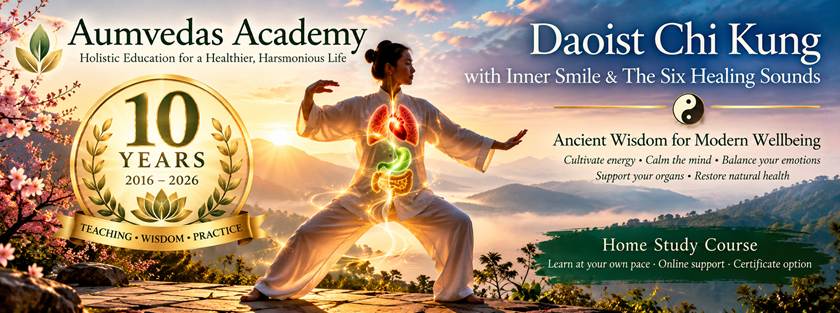

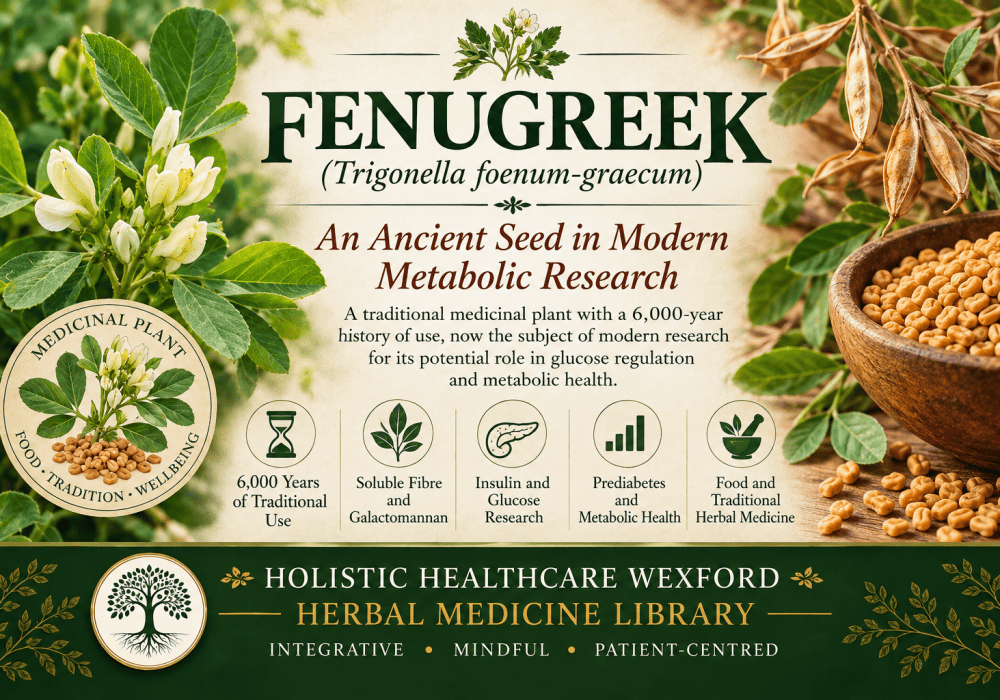
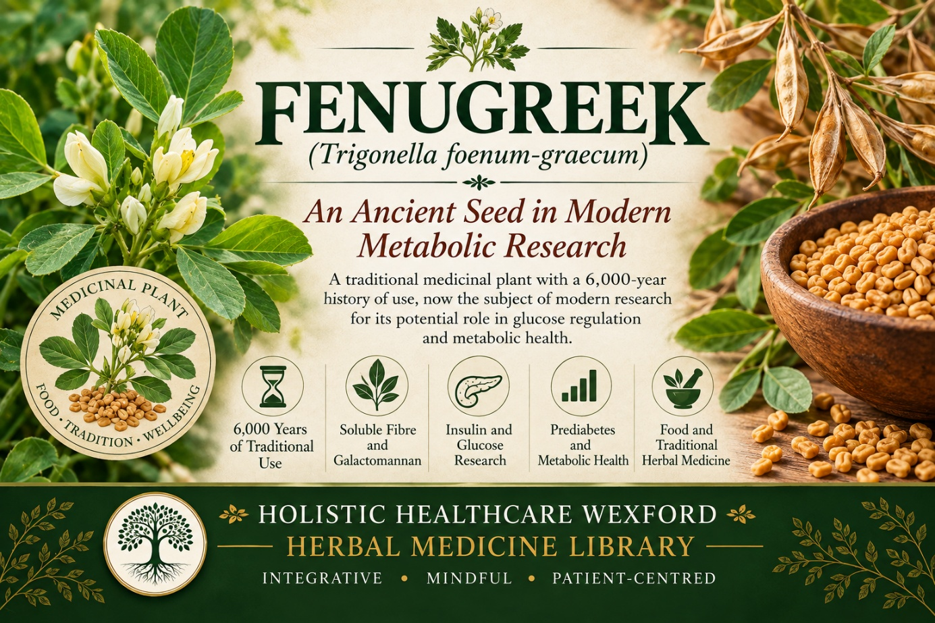
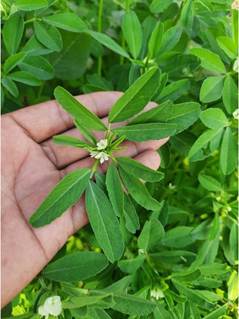
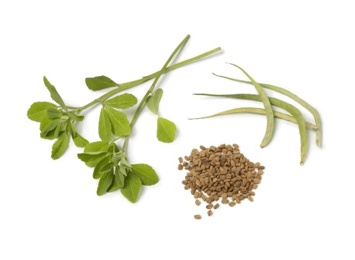
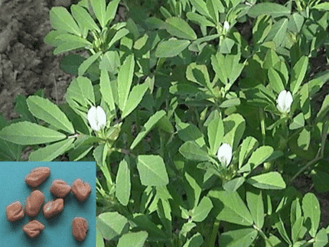

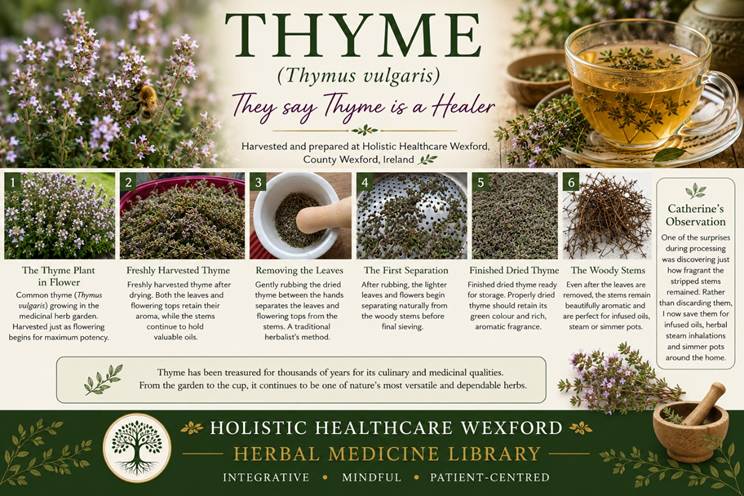
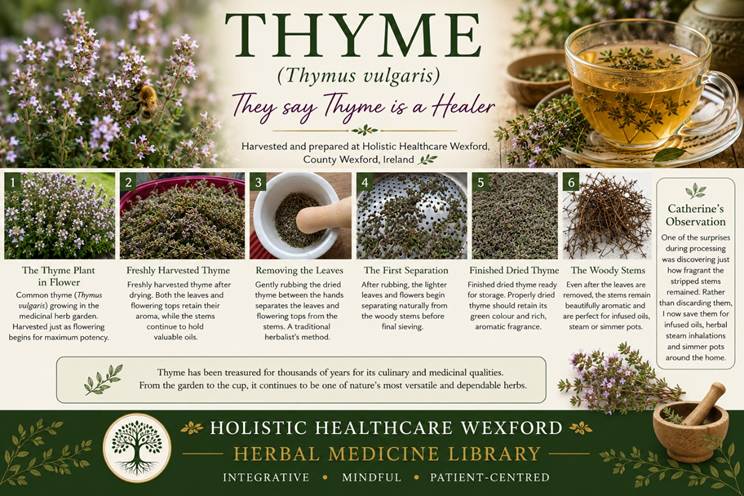
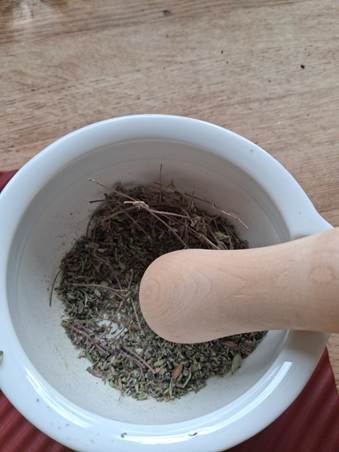
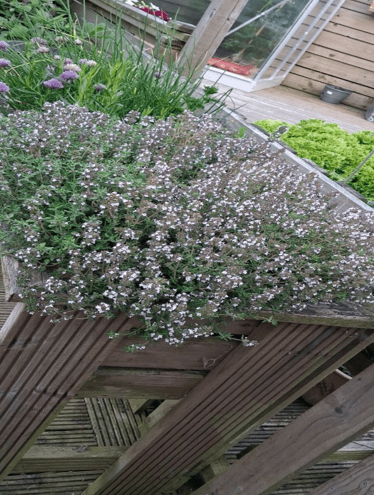
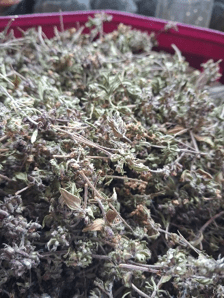
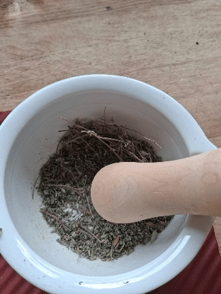
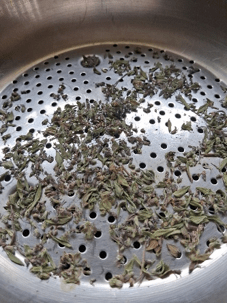
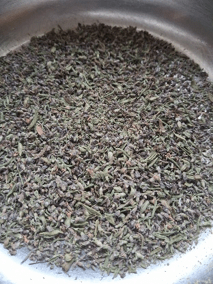
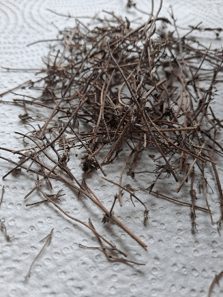




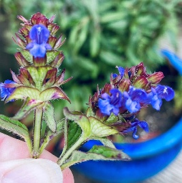
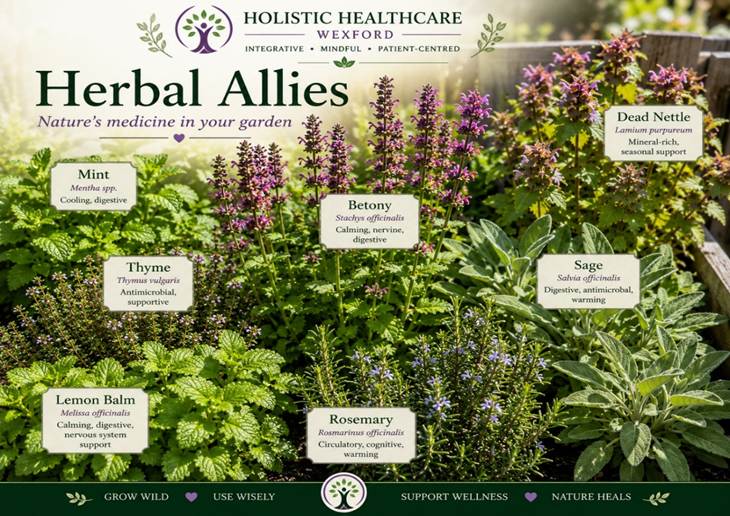
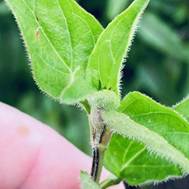
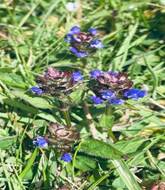
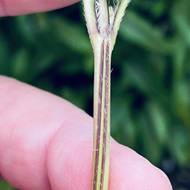
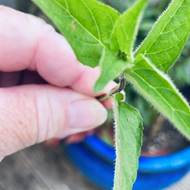
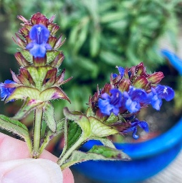
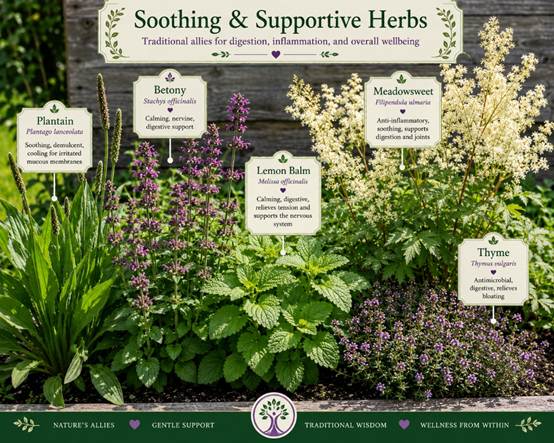
 combines beautifully with apple cider vinegar and honey.